
Essential Equipment for Powerlifting Group Training
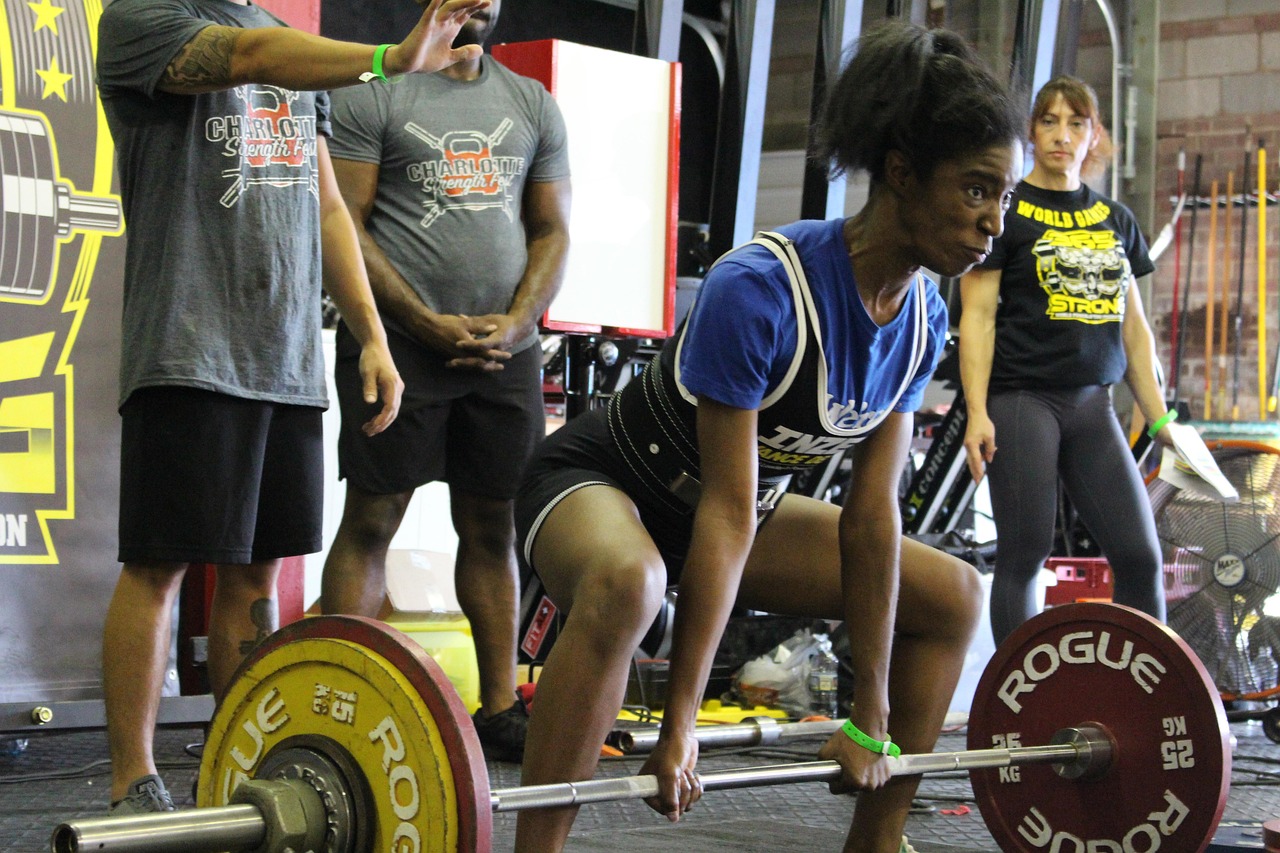
Powerlifting group training relies on specific equipment that enhances performance and safety. The primary equipment needed is a high-quality Olympic barbell. These barbells are designed to withstand heavyweight loads, providing the rigidity necessary for successful squats, deadlifts, and bench presses. Look for bars with a weight capacity of at least 700 pounds, ensuring they can accommodate the needs of all group members. Another essential item is a set of weight plates. Ideally, you should have a mix of standard and bumper plates to cater to different lifting styles and experience levels. Bumper plates are particularly useful, as they allow safe lifting and dropping, minimizing the risk of injury. Beyond the barbell and plates, the training space also benefits from sturdy squat racks or power cages. These provide the necessary safety features, allowing individuals to lift heavy while being securely supported. Additionally, each training group should consider investing in resistance bands for versatility in warm-ups and workouts. They can help improve flexibility, reduce injury risks, and add variety to training routines, contributing to overall better performance.
Supporting Gear for Safety
When engaging in powerlifting group training, safety gear is crucial for preventing injuries. Weightlifting belts are one of the most critical items. They provide support to the lower back during heavy lifts, enhancing stability and in helping to maintain proper form. Wearing a belt can significantly increase lifting performance, making it an essential part of the equipment list. Additionally, wrist wraps are beneficial for lifters who experience wrist discomfort when performing pressing movements. These wraps provide extra support, allowing a more secure grip on the bar. Similarly, knee sleeves or wraps aid in supporting the knees during squats and deadlifts, reducing the risk of strain. For lifters whose hands may suffer from wear and tear, lifting straps can be a game changer. They help hold onto the bar better, especially during heavy deadlifts or pulls, thus allowing for longer sets and fewer slips. Lastly, proper footwear is often overlooked. Investing in weightlifting shoes with a raised heel can improve lifting technique and power transfer, ultimately benefiting training results within any powerlifting group.
In addition to essential lifting equipment, thoughtful accessories can enhance group training by promoting comfort and focus. Foam rollers are a great addition, as they allow for post-workout recovery and flexibility. Using them helps alleviate muscle tightness and soreness, ensuring that the group can train frequently without excessive fatigue. Another accessory to consider is a sturdy mat for warm-up or mobility exercises. Mats provide a cushioned and stable surface, making it easier for individuals to stretch and prepare for their lifts. Additionally, having a first aid kit on hand is vital for addressing any minor injuries that may occur during training sessions. This kit should include bandages, antiseptic wipes, and ice packs, allowing the group to manage injuries quickly and effectively. Hydration is equally important, so ensure access to water and electrolyte drinks during sessions. Dehydration can impede performance and recovery, making fluid intake essential for success in powerlifting pursuits. Lastly, consider integrating technology, such as training apps, to track progress and provide structured training plans tailored to the specific group’s goals.
Flexibility and Mobility Tools
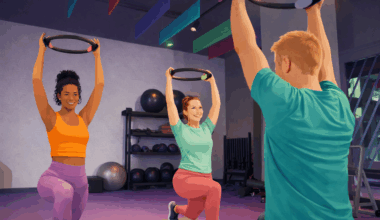
Flexibility and mobility are integral parts of any effective powerlifting regimen. Groups should utilize tools like resistance bands for dynamic stretching exercises. They can significantly enhance mobility by engaging the muscles in warm-ups, preparing the body for rigorous lifts. Incorporating movements like banded squats and side steps can stimulate multiple muscle groups, leading to better workout results. Likewise, using a stretching strap after workouts can aid individuals in achieving a deeper and more effective stretch. These straps lend assistance, allowing better angles to stretch certain muscles that help lift performance. Furthermore, introducing yoga blocks can facilitate various stretching techniques, enabling powerlifters to improve stability and flexibility. Yoga blocks help achieve optimal form in stretches, enhancing the overall training experience. For movement preparation, consider visual aids like videos or instructional guides available through apps. These resources can teach proper techniques and highlight the effectiveness of each tool. Regular mobility work can lead to improved overall performance in powerlifting and minimize the risk of injury during training, leading the group to higher success levels in their powerlifting journeys.
Programming for powerlifting groups requires specialized tools and methodologies that help each member achieve their goals. Among the equipment, adjustable benches are crucial for various pressing movements, including bench presses and dumbbell work. This versatility allows for multiple angles and exercises, accommodating everyone’s needs. Additionally, incorporating cable machines into the training space allows for isolation exercises, targeting specific muscle groups and enhancing overall performance. These machines can provide necessary variations that traditional lifting does not always cover, creating a well-rounded program. Another beneficial tool is the use of lifting platforms. These spaces can be designated specifically for powerlifting, providing a safe area for dropping weights without damage. Platforms can enhance the training environment and increase motivation by creating a focused lifting area. Furthermore, integrating training logs, either paper-based or digital, allows group members to track their adherence to lifting programs. Monitoring progress is vital for accountability and motivation, encouraging lifters to push themselves. With these tools, programming for powerlifting groups becomes a more coherent process, fostering an environment of growth and achievement.
Utilizing Technology in Training
While traditional equipment is essential, utilizing technology can significantly enhance the effectiveness of group training. One effective technological tool is a video analysis application. Recording lifts and analyzing them can help identify areas in need of improvement and allows athletes to visually track their progress over time. With feedback mechanisms in place, users can adjust form and technique as necessary, minimizing injury risks. Additionally, wearable technology, such as heart rate monitors and fitness trackers, can help group members measure their intensity during workouts. These metrics can provide insights into individual limits and capacities, guiding adaptations to personal training plans. Furthermore, consider integrating a training app that not only logs lifts but also connects group members, fostering community and support. These apps can set goals, challenge each other, and offer encouragement, creating a motivating environment within powerlifting groups. Finally, considering online instructional resources can help generate knowledge that benefits all members. Access to expert tips and training techniques allows every athlete to advance their skills collectively while ensuring everyone is on the same page.
Lastly, creating an engaging atmosphere during powerlifting group training is essential for sustaining member motivation and retention. Start by establishing a recognizable team culture, where camaraderie and support are emphasized. Incorporating team challenges, such as lift competitions, can encourage healthy competition while enhancing bonds among group members. Providing regular feedback to individuals can boost their confidence, highlighting their successes, and ensuring them that they are progressing within their training. Furthermore, consider implementing themed training sessions. This could involve focusing on specific lifts on different days or using music that energizes the training environment. Engaging with group members on social media can keep the community strong and motivated outside of training times, sharing successes, and tips. Remember to celebrate individual and group achievements, creating milestones and tracking progress to foster a shared sense of accomplishment. This could be through milestones achieved or personal records broken. An inviting and supportive atmosphere contributes significantly to the long-term success of powerlifting groups, making training not just a task, but an enjoyable and fulfilling experience for all involved.
In conclusion, creating a successful powerlifting training environment relies heavily on having the right equipment and fostering community engagement. Make sure to innovate constantly, considering new tools and technology that might improve training efficiency and safety. However, the group’s focus must always remain on the fundamental aspects of powerlifting, maintaining proper technique and building a supportive network. When groups put in the effort to ensure each member feels valued, the overall progression in strength training will be remarkable. Effective communication regarding personal goals and feedback will create an environment where all individuals thrive. Encourage your group to keep learning through resources, feedback sessions, and workshops that can provide valuable insights into best practices for powerlifting. Offering ongoing education on technique and safety will only strengthen the group’s commitment to personal and collective growth. Most importantly, enjoy the process. Powerlifting, especially in a group setting, should be a fulfilling journey that leads to improvement and camaraderie among all participants. Striving towards collective success will not only provide practical benefits but also create lasting friendships and shared memories.