
Beginner’s Guide to Low-Impact Dance Workouts for Fitness
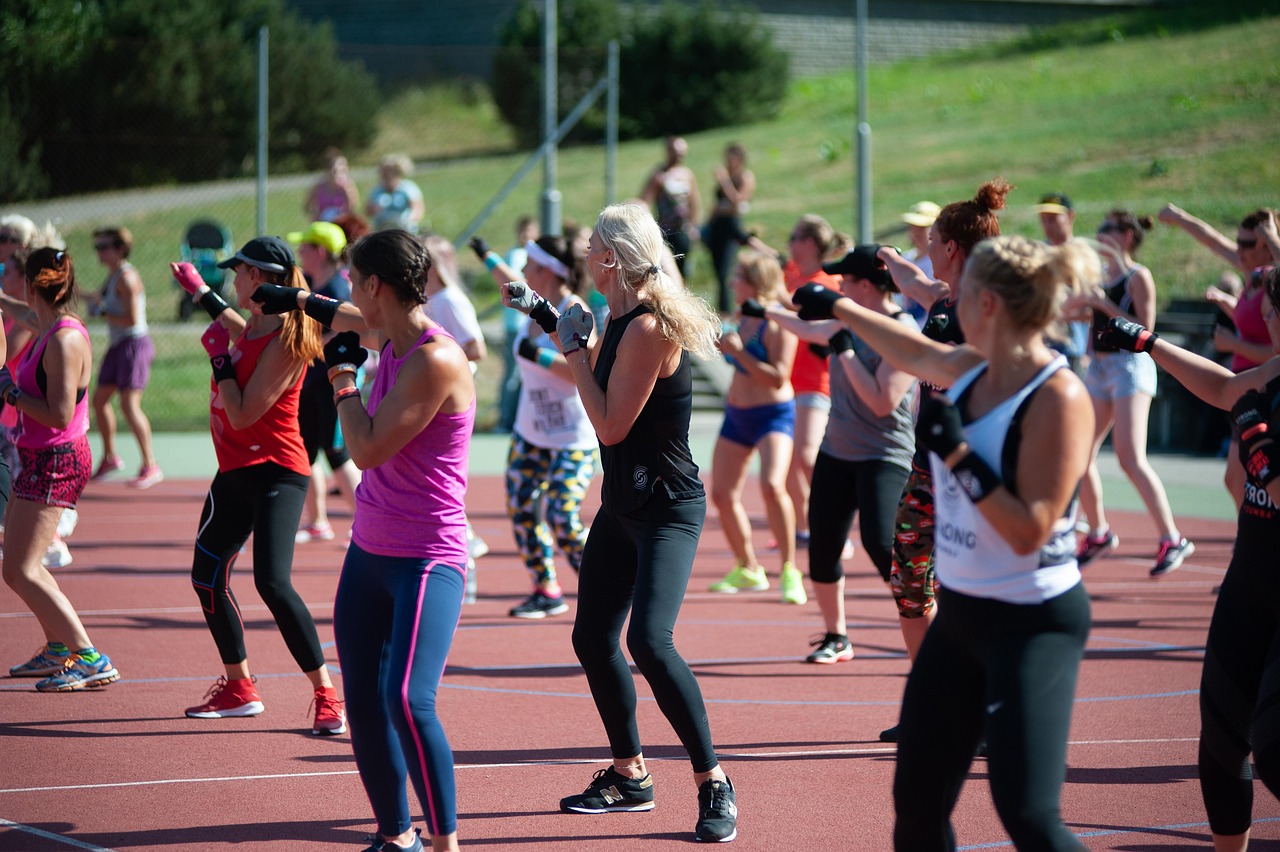
Low-impact dance workouts are a fantastic way to combine fitness with fun, allowing beginners to enjoy exercise without the risk of injury. These workouts often minimize strain on the joints while maximizing cardiovascular benefits. Low-impact dance styles, such as Zumba Gold, hip-hop dance, or even jazzercise, encourage participants to groove to vibrant music while moving gracefully and rhythmically. Engaging in such routines regularly can improve balance, coordination, and flexibility. It’s essential to find a class that suits your fitness level, where instructors prioritize safety and offer modifications when necessary. Warm-ups and cooldowns are crucial to prevent stiffness and enhance flexibility over time. Whether you prefer dancing indoors in a class or outdoors in a park, the choice of environment can significantly influence your experience. Incorporating social elements into your dance workout may also heighten your motivation and accountability. If you are unsure where to start, look for local community centers or online platforms where you can access beginner-friendly classes to get involved. By making low-impact dance workouts part of your routine, you can enjoy fitness and creativity while staying active.
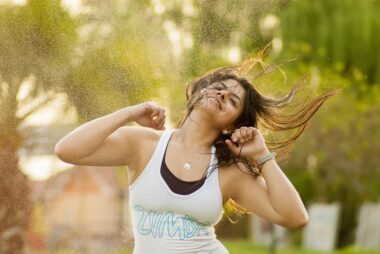
Besides the physical benefits of low-impact dance workouts, there are emotional and mental advantages to consider. Individuals report feeling happier and less stressed after participating in these enjoyable routines. The act of dancing releases endorphins, which are hormones associated with feelings of well-being and euphoria. Some find that connecting with others in a dance class can foster friendships while building a supportive community. Recreational opportunities expand not only your social circle but also promote a sense of belonging and acceptance. Engaging in dance can also enhance self-expression; finding joy in rhythm and movement can diminish inhibitions. Importantly, low-impact workouts allow individuals of various ages and fitness backgrounds to participate. They can be tailored for everyone, including seniors who may require modifications. Having access to a diverse range of music and styles ensures a rich and stimulating experience for all participants. Joining group classes can further enhance your journey as you work collectively towards fitness goals. By embracing low-impact dance workouts, you can transform fitness into an expression of joy that uplifts both body and spirit.
The Importance of Choosing the Right Dance Style
When diving into low-impact dance workouts, selecting a dance style that resonates with you can increase motivation and enjoyment. Different dance styles vary in terms of vibes, music, and movement techniques. For instance, Zumba delivers infectious energy through Latin-based music, while line dancing incorporates choreographed steps to classic tunes. Similarly, belly dancing emphasizes fluid movements and core engagement, and yoga-infused dance offers a blend of mindfulness with groove. For those who prefer a freestyle approach, dance fitness classes often allow for personal expression without rigid guidelines. They encourage improvisation, allowing individuals to move freely to their favorite beats. Observing various styles can help you discover what resonates with your personality and goals, ensuring a more rewarding experience. It’s advisable to try introductory classes in different styles and see which aligns best with your preferences. Moreover, as you become more comfortable, you might consider mixing styles for a varied workout routine. Incorporating various dance forms will keep workouts fresh and exciting while maintaining your commitment to a healthier lifestyle.
While engaging in low-impact dance workouts, attention to proper technique is crucial, especially for beginners. Learning the basics can prevent injuries and enhance overall performance. Remember to maintain good posture, which helps align your body correctly throughout movements. Additionally, engaging your core is essential for stabilization and preventing unnecessary strain on the lower back. Instructors often emphasize the importance of control and gradual movements rather than hurried gestures. Understanding the rhythm of the music is equally important, as it guides the flow of your movements. When starting with new steps or routines, take your time to practice slowly before gradually increasing speed. Incorporating the right footwear also supports your dance experience; ensure that shoes provide the necessary cushioning and support while allowing freedom of movement. If dancing on a slippery surface, do so cautiously to maintain balance and prevent potential falls. In summary, focusing on technique, listening to your body, and practicing consistently are vital for beginners participating in low-impact dance workouts.
Setting Goals for Progress
Establishing fitness goals can enhance your commitment to low-impact dance workouts. Goals should be realistic, measurable, and tailored to your personal interests. For instance, you could aim to attend a specific number of classes each week or master a particular routine within a month. Setting short-term and long-term goals enables you to track progress and celebrate achievements. Short-term goals may include improving coordination, stamina, or confidence in performing different dance styles. On the other hand, long-term goals can involve particular milestones, such as participating in a dance performance or reaching a specific fitness level. It’s also wise to document your progress, whether through journals or fitness trackers. They offer insights and motivate continued participation. Sharing your goals with friends or loved ones creates an accountability system that can motivate you to keep dancing. Engaging with online fitness dance communities can also provide support and tips for achieving personal success. Remember, every small victory counts and contributes toward your overall fitness journey, creating positive reinforcement as you advance.
Another essential aspect of low-impact dance workouts is integrating proper nutrition and hydration. Staying nourished before and after workouts enhances energy levels while promoting recovery. Focus on balanced meals that include proteins, healthy fats, and carbohydrates for optimal performance. Eating snacks rich in carbohydrates can provide quick energy right before dancing, while proteins help repair muscles afterward. Hydration is equally crucial; it ensures that the body functions optimally during workouts. Drinking water before, during, and after dance sessions can help maintain energy and performance levels. Sweating during dance can lead to dehydration, which can affect your physical capabilities and recovery time. Therefore, pay attention to your body’s signals. If you feel fatigued or dizzy, take a break and hydrate. Additionally, some individuals benefit from sports drinks that replenish electrolytes lost during workouts. By combining nutritious food choices with adequate hydration, you enhance your overall dance performance and enjoyment. Remember that what you put in your body plays a vital role in how effective your low-impact dance workouts will be.
Finding Dance Classes and Resources
Finding the right classes and resources for low-impact dance workouts is an essential step in your fitness journey. Local community centers or gyms often host various dance classes that cater to beginners. You can frequently find schedules and descriptions of each class style online. If attending classes physically is inconvenient, numerous platforms offer virtual dance classes that allow you to join from the comfort of your home. Online platforms often have extensive libraries of workout videos, ranging from beginner to advanced levels. Explore and subscribe to channels dedicated to low-impact dance workouts. As you explore options, pay attention to the instructor’s style and approach; a motivating and engaging teacher can significantly enhance your experience. Consider searching online for local social media groups focused on dance fitness; they can connect you with others who share your passion. You may discover dance events and workshops that can further inspire your fitness exploration. Participating in these gatherings can introduce you to new routines and help you remain engaged in your fitness journey.
Ultimately, low-impact dance workouts provide a unique blend of fun and fitness. They are accessible for individuals of all ages and fitness levels, making dance a universal form of expression and exercise. Exploring different styles ensures that workouts remain exciting and allows participants to find joy in movement. In addition to physical benefits like improved strength, coordination, and flexibility, emotional and mental health advantages contribute significantly to overall well-being. The camaraderie found in dance classes fosters positive social connections and can lift spirits during difficult times. As you embark on your dance journey, remember that perseverance and self-compassion are vital. Celebrate tiny victories and remain aware that every step taken contributes to progress. So, lace up those dancing shoes, turn on your favorite tunes, and embrace the joy of low-impact dance workouts. Engage fully with the rhythm and enjoy the process, knowing that you are prioritizing your physical and mental health while having a blast. It’s a vibrant way to accomplish your fitness aspirations while fostering a deeper connection with yourself and your body.