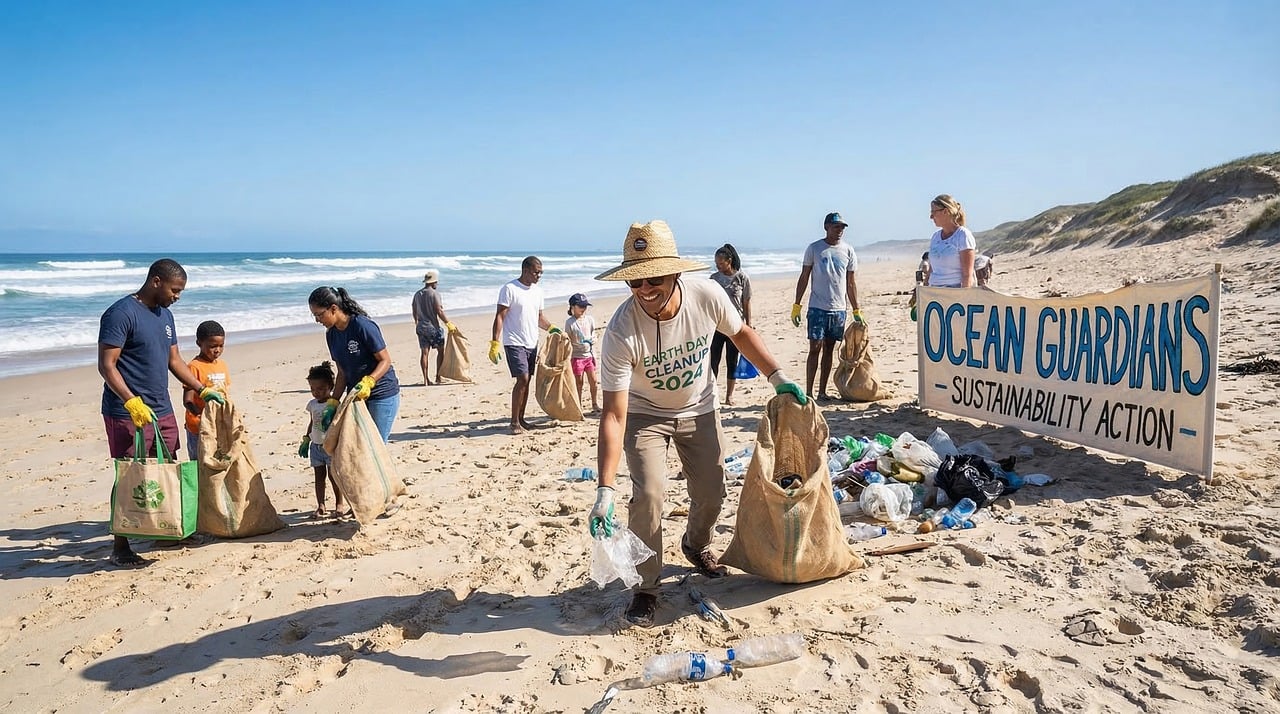

Beach Cleanups and Fitness: Combining Exercise with Environmental Action
Participating in beach cleanups goes beyond simply picking up trash; it represents a powerful intersection of fitness and environmental responsibility. Engaging in these cleanups combines physical activity with an opportunity to contribute to the preservation of oceanic ecosystems. With every piece of litter collected, participants actively combat marine pollution and its detrimental effects on wildlife. Additionally, this provides a unique way to exercise outdoors, which often results in improved mental health and social engagement. The physical demands of bending, lifting, and walking along the shore can serve as an excellent workout, promoting endurance and strength. Volunteers often report feelings of satisfaction and accomplishment after seeing the immediate results of their efforts. Many workout enthusiasts seek out such activities in an effort to enhance their fitness routines while also committing themselves to worthy causes. Connecting with like-minded individuals adds a social dimension, enriching the experience while building community awareness. The fresh air and natural beauty of seaside environments create an invigorating backdrop for an energetic workout while emphasizing the importance of protecting our oceans.
Beach cleanups not only serve the environment but also offer myriad health benefits. By engaging in these communal events, individuals can elevate their fitness levels in several ways. First, the combination of aerobic activity, such as walking along the beach, significantly increases heart rates, which enhances cardiovascular health. Furthermore, the act of bending, squatting, and reaching stimulates various muscle groups, leading to improved muscular endurance and flexibility. Participating in organized cleanups can also foster camaraderie among volunteers, creating a supportive and motivating atmosphere. Many who regularly engage in such activities report their increased motivation to maintain an active lifestyle. Furthermore, these gatherings provide an opportunity for individuals to learn about environmental issues and the impact of plastic on marine life. By educating participants about the effects of pollution, they become advocates for environmental sustainability. This knowledge often translates into personal lifestyle changes, such as reducing waste and improving recycling practices. In the end, this fusion of fitness and environmental care fosters a profound appreciation for the ocean and its ecosystems, encouraging ongoing involvement in conservation efforts.
The Environmental Impact of Plastic Pollution
Plastic pollution in oceans has escalated dramatically, posing grave threats to marine wildlife and ecosystems. According to recent studies, millions of tons of plastic enter the oceans every year, resulting in large debris patches and microplastics that disrupt food chains. This pollution threatens not only marine species but also the human populations that rely on oceans for livelihood. Engaging in beach cleanups is a proactive measure to mitigate these harmful effects. By physically removing items like plastic bottles, bags, and other refuse, participants contribute to restoring the natural beauty and ecological balance of beach environments. Every piece of plastic removed from the beach helps to prevent potential ingestion by marine species, such as sea turtles mistaking bags for jellyfish. Additionally, cleanups encourage broader community involvement, raising awareness of pollution and encouraging sustainable practices. Educating others on the importance of reducing plastic use and opting for eco-friendly alternatives becomes an integral part of the process. Therefore, each cleanup signifies a collective effort not just to beautify shores, but also to protect and preserve aquatic habitats for generations to come.
Beach cleanups can often be organized by non-profit organizations or community groups, creating an avenue for widespread participation. Many of these initiatives provide necessary equipment, such as gloves and biodegradable bags, ensuring that events are accessible and environmentally friendly. When individuals gather for cleanups, they often connect through shared goals and values, building a sense of community that extends beyond the event itself. Local businesses sometimes sponsor beach cleanups, contributing resources or promoting volunteer opportunities. This collaboration can help spread awareness about environmental issues within the community and encourage adoption of sustainable practices. Moreover, many schools and youth programs incorporate beach cleanups into their curriculum, fostering early engagement in environmental stewardship. Children participating in such activities learn the importance of caring for their surroundings at a young age. As digital platforms evolve, volunteers can also share their experiences and successes on social media, inspiring others to join in. Capturing these moments reinforces the importance of collective action while generating further support for ongoing ocean preservation efforts through visual storytelling.
Combining Fitness with Community Service
By intertwining fitness routines with community service, individuals promote healthier lifestyles while contributing positively to their environment. For fitness enthusiasts, the choice to participate in beach cleanups serves dual purposes: physical exercise and impactful volunteering. In today’s fast-paced world, many individuals report struggling to find time for both fitness and community engagement. Initiatives like cleanups merge both, allowing people to contribute while remaining active. As participants enjoy an invigorating workout in the sun, they often discover new friendships and networks. Group cleanups often transform into social outings, allowing bonds to form over shared activities while making a difference. Meetup groups can be formed, creating a calendar of cleanups throughout the year, inviting newcomers to join. This organizational aspect mitigates personal barriers, making it easier for individuals to commit regularly. By regularly participating in these initiatives, individuals build resilience and an appreciation for teamwork, which carries into their everyday lives. Thus, not only is the beach cleaner, but participants also leave with a sense of pride and accomplishment that motivates them to continue caring for their communities.
Long-term participation in beach cleanups can lead to remarkable transformations, not just in fitness levels, but in personal perspectives. Volunteers often report a deepened connection to nature, which prompts lifestyle changes in various facets of their lives. As individuals witness the effects of pollution firsthand, they become more mindful about their consumption habits and the waste they produce daily. Many develop a keen interest in sustainability, exploring ways to implement eco-friendly practices into their households. These shifts may include opting for reusable products, reducing single-use plastics, and supporting companies committed to environmental responsibility. Additionally, such involvement can inspire volunteers to become advocates for larger environmental movements, pushing for local regulations that limit waste. People often use their newfound knowledge and skills to educate others, whether through social media platforms or community workshops. This creates a ripple effect, fostering widespread awareness and inspiration across communities. As more individuals explore fitness options intertwined with advocacy, the collective impact of their actions can lead to a significant reduction in ocean pollution over time, greatly benefitting marine ecosystems.
The Joy of Giving Back
The act of giving back through beach cleanups provides emotional rewards that are invaluable. Participants often express joy in knowing that their actions contribute to a cleaner, healthier environment. This sense of purpose becomes deeply ingrained, nurturing a desire to stay engaged. Volunteers frequently recant stories of their experiences, sharing the excitement of group activities and the sense of accomplishment felt after a day of cleaning. Such narratives can motivate others to join in and create stronger community ties. Furthermore, these activities provide a break from daily stresses while offering a platform to practice mindfulness in natural surroundings. The tranquility of the ocean and the rhythmic sound of waves create a peaceful ambiance ideal for reflection and camaraderie. Likewise, beach cleanups serve as an opportunity to integrate fun challenges, such as friendly competitions for the most litter collected. Engaging in enjoyable community service promotes a sense of belonging, which encourages continued participation. The combined elements of fitness, community engagement, and environmental action culminate in experiences that nourish the body, mind, and spirit.
As awareness around issues related to ocean pollution continues to grow, more organizations champion beach cleanups as integral aspects of their community programs. Local governments, non-profits, and volunteer groups are working collectively to mitigate ocean pollution while fostering community spirit. As these cleanups gain popularity, new tools and technologies emerge to aid volunteers in their efforts. Interestingly, many tech startups have introduced apps that facilitate group organization for cleanups, allowing users to find and join events easily. This advancement streamlines the coordination of groups, ensuring maximized participation and outreach. Each event cultivates a sense of stewardship within communities, presenting a practical avenue for actively engaging with environmental initiatives. Participants often share the knowledge gained during cleanups with their families and friends, thereby extending the reach of educational efforts. The increasing visibility of these initiatives injects enthusiasm into communities, prompting more individuals to reconsider their relationship with nature. Thus, the intertwining of fitness, environmental awareness, and community service results in a ripple effect that positively influences societal values, inspiring a collective movement towards preserving the oceans for the future.