
Balancing Intensity and Safety Using Heart Rate Zones for the Elderly
As we age, maintaining a healthy lifestyle becomes increasingly important. One cannot underestimate the significance of physical fitness in enhancing longevity and quality of life. Heart rate monitoring emerges as a fundamental tool in helping the elderly engage in meaningful exercise. By understanding heart rate zones, older adults can optimize physical activity while minimizing potential health risks. This article explores the essentials of heart rate zones and their role in tailoring exercise regimens for older individuals. Using heart rate data, seniors can better assess their performance, gauge exercise intensity, and avoid overexertion. Staying active promotes cardiovascular health, lowers the risk of chronic diseases, and improves overall well-being. Yet, it is crucial for older adults to discern their limits when exercising. Too much intensity can lead to adverse effects, including heart strain, injury, or fatigue. Ultimately, finding the right balance between challenging oneself and exercising safely is essential for maintaining both health and motivation. Effective heart rate monitoring helps elderly individuals participate in fitness programs confidently, enjoying all the benefits of physical activity while safeguarding their health. A deeper understanding of heart rate zones aids in achieving these objectives.
The first step in utilizing heart rate zones involves determining individual maximum heart rates. For older adults, a commonly used formula for age-related maximum heart rate is 220 minus the person’s age. Once the maximum rate is established, heart rate zones are classified into categories such as moderate, vigorous, and maximum effort. Moderate activities, which may include walking or leisurely cycling, typically target 50% to 70% of the maximum heart rate. Conversely, vigorous activities, such as running or fast cycling, aim for 70% to 85%. While older adults may not always reach vigorous zones safely, the moderate is typically beneficial for cardiovascular health and overall fitness. Establishing personalized heart rate zones allows individuals to tailor their exercises effectively. Older adults should also consider how medications may influence heart rates and discuss any concerns with their healthcare provider. It’s vital to remain aware of changes in heart rate during exercise; a sudden rise may signify overexertion. Moreover, keeping a heart rate monitor handy provides real-time feedback, enabling more informed and responsible training while ensuring safety remains paramount during workouts.
Understanding Heart Rate Zones
Heart rate zones represent a simple yet powerful concept in exercise programming. The five basic zones include resting, light, moderate, hard, and maximum. Resting heart rate occurs when the body is at rest and lies typically between 60-100 beats per minute. Light intensity might involve gentle stretching or slow walking, allowing the body to warm up. Moderate intensity raises breathing and heart rates, making conversation challenging yet possible, commonly experienced during brisk walking or light jogging. Hard efforts push the heart rate even higher, often engaging multiple muscle groups, promoting endurance, and building strength. Lastly, the maximum zone is reserved for highly conditioned individuals or short bursts of high-intensity workouts, still requiring caution among older adults. By focusing on the moderate and hard zones, older individuals can maximize heart health benefits while minimizing injury risks. Regular exercise in these areas can enhance stamina, strength, and cardiovascular function over time. Incorporating heart rate training into fitness routines encourages older adults to establish achievable goals tailored to their physical capabilities, motivating them to persistently engage in healthy activities.
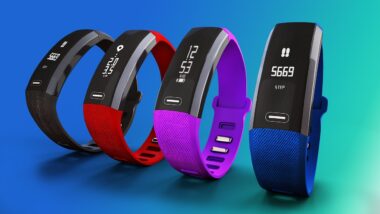
When engaging in exercise, it is essential to monitor one’s heart rate continuously. Employing heart rate monitors—whether wearable devices or chest straps—empowers elderly athletes to track their performance actively. Educating seniors about how to analyze their heart rates can help them ensure they are exercising in their designated zones. Additionally, integrating this form of self-assessment encourages individuals to understand their body better through direct feedback. Monitoring fatigue levels and exertion can also assist in determining the optimum frequency and intensity of workouts. An exercise routine should reflect personal fitness goals, with higher intensity levels gradually introduced as one becomes accustomed to regular activities. As fitness improves, individuals may consider adjusting their heart rate zones accordingly. However, any changes should capture individual fitness strategies and be aligned with health expert recommendations. Incorporating brief warm-ups prior to aerobic sessions gradually prepares one’s heart and muscles for physical activity. Adopting a cooldown post-exercise allows the heart rate to stabilize safely. By following these best practices, seniors can ensure efficient heart rate management in their fitness routines, driving them toward successful and fulfilling exercise experiences.
Consulting with Healthcare Professionals
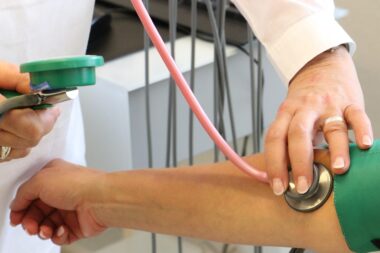
Another integral aspect of safely monitoring heart rates is engaging with healthcare professionals. Seniors should always consider input from doctors, nurses, or certified trainers specializing in geriatric fitness. These experts can provide tailored recommendations based on one’s unique health profile, including pre-existing conditions or medication schedules that affect heart rates. A healthcare provider can aid in establishing suitable exercise thresholds to prevent risks or complications and ensure healthy experiences. Monitoring heart rates becomes critical as elderly individuals participate in new activities or fitness programs, as various exercises yield different impacts on an individual’s cardiovascular performance. Regular check-ups can facilitate necessary adjustments in exercise plans and promote continued wellness. Additionally, sharing heart rate data collected through monitor devices or fitness applications enables clearer communication with caregivers. This shared approach leads to personalized modifications in exercise routines while aligning goals with medical safety standards. Encouraging older adults to voice concerns about their fitness plans fosters confidence and comfort in maintaining their health. Ultimately, the partnership between the elderly and healthcare professionals ensures that exercise remains a beneficial and rewarding endeavor, leading to enhanced quality of life.
It’s vital to remember that everyone’s fitness journey is exceptionally personal. Individual backgrounds, goals, and exercise experiences greatly influence how older adults approach physical activity. Encouraging friends or family to join in their fitness pursuits may create a positive support network, motivating seniors to adhere to their heart rate-based routines. Group activities or classes provide both social interaction and accountability while engaging in physical exercises. For many seniors, companionship during workouts cultivates enjoyable experiences, making regular activity less daunting. Additionally, leveraging technology in fitness is increasingly beneficial. Many applications and platforms specialize in connecting older adults to fitness resources, virtual classes, and peer workout groups. Furthermore, platforms can facilitate monitoring and tracking exercise successes, which complements heart rate data. Engaging in challenges or signing up for fitness programs also motivates participation. Personal improvement benchmarks create opportunities for individuals to celebrate milestones, therefore enhancing mental clarity alongside physical health. As seniors connect with the fitness community—whether personally or digitally—they build not just muscle strength but also emotional resilience, further enriching their aging experience. Empowering older adults to lead active lifestyles fosters holistic well-being.
Conclusion: Pursuing Safe and Effective Fitness Goals
In summary, heart rate monitoring is an invaluable tool for older adults striving to maintain their physical fitness. Understanding heart rate zones helps individuals exercise effectively while navigating the necessary safety precautions. Utilize tools like heart rate monitors to track performance and promote motivation through personal advancements in fitness. It allows for informed decision-making—over-exerting oneself can lead to severe complications; therefore, one must approach exercise responsibly. The collaboration of seniors and healthcare professionals can simply provide robust guidelines, creating personalized fitness plans aligned with medical support. Additionally, leveraging social and technological resources cultivates an environment conducive to healthier living and accountability. The journey towards fitness does not have to be solitary; having friends or family involved enhances enjoyment. Most importantly, educational opportunities concerning heart rate zones inspire confidence and encourage consistent participation. Balancing intensity and safety plays a critical role in maximizing the health benefits of exercise, especially in older adults. By fostering a culture of safety and awareness, seniors can actively pursue their fitness goals while enjoying the associated benefits. Fitness and aging need not oppose each other; rather, they can harmoniously coexist through informed practices.
Staying active promotes cardiovascular health, lowers the risk of chronic diseases, and improves overall well-being. Yet, it is crucial for older adults to discern their limits when exercising. Too much intensity can lead to adverse effects, including heart strain, injury, or fatigue. Ultimately, finding the right balance between challenging oneself and exercising safely is essential for maintaining both health and motivation.