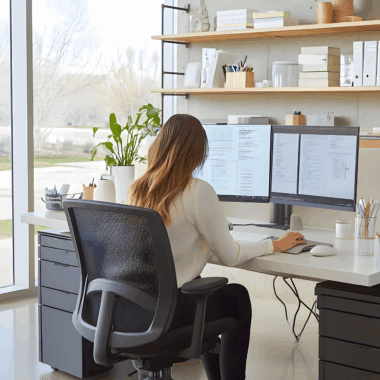

Tips for Maintaining Good Posture While Using Mobile Devices
Using mobile devices such as smartphones and tablets has become a staple in daily life. However, poor posture can lead to several health issues over time. Therefore, it is vital to be conscious of how we sit and hold these devices during use. When sitting, choose a chair that offers good lumbar support. Keeping your feet flat on the floor is essential to maintaining a stable base. When you elevate your devices to eye level, reducing the strain on your neck becomes easier. Another crucial aspect is taking regular breaks every hour to stand up, stretch, and reposition your body. Ensure proper lighting to avoid squinting, which can lead to discomfort and poor posture. Finally, invest in a stand or holder for your device, allowing for a more ergonomic viewing angle. By implementing these simple yet effective tips, you can significantly reduce the risk of discomfort caused by prolonged use of mobile devices, benefiting your overall posture and health. Understanding the importance of ergonomic practices can lead to a more comfortable and productive usage experience.
It’s crucial to understand the alignment of your body while using mobile devices. Your head should ideally be aligned with your torso while ensuring that your shoulders are relaxed and not hunched. When using your mobile device, bring it closer to your face and avoid bending forward. Doing so might seem convenient at the moment but can lead to long-term neck and back problems. Choose a standing desk or table when possible, which allows your device to be at a more comfortable height. This positioning encourages you to maintain a straight back. Additionally, consider exercises that strengthen your core and back muscles as they can help improve your posture. Stretching regularly helps release tension built up from prolonged sitting. Have a set routine that incorporates these exercises into your daily life, making it easier to stick to. You can also check out online resources and applications that focus on posture and exercises tailored to mobile device users. A few minutes of stretching or adjusting your device setup can lead to a significant decrease in discomfort over time and greatly enhance your productivity.
Responsibilities of Ergonomic Practices
Aside from positioning, awareness of how you grasp your devices is also crucial. Ensure that you hold your phone with both hands instead of just one. This distributes weight evenly and adds stability, which helps to prevent awkward angles. Using your thumbs for navigation may seem natural, but this can lead to wrist discomfort. A better method is to utilize voice commands or voice-to-text features, allowing you to keep your hands in a neutral position. Look for accessories that promote better ergonomics, such as pop sockets or grips, which make it easier to hold your device comfortably. Additionally, consider the setup of your workspace. Ensure your seat is adjusted so that your elbows are at a 90-degree angle when you use a tablet. This promotes better alignment of your body and discourages slouching. Setting reminders on your devices to adjust your posture can also lower the risks of muscle strain. By acknowledging these responsibilities and acting accordingly, you can ensure that you minimize the adverse effects associated with prolonged mobile device usage, leading to better posture.
Screen time has increased significantly, fostering a need for vigilance regarding posture. Specifically, reducing the time spent looking down at devices can prevent many musculoskeletal issues. Instead of automatically reaching for your phone when you receive notifications, consider setting designated times for usage. Setting boundaries helps to alleviate unnecessary stress on your neck and back. Furthermore, when using tablets, position them on a stable surface instead of holding them for extended periods. This minimizes tension in your arms and neck. Additionally, incorporating exercises that focus on flexibility and strength can help counteract the negative effects of prolonged use. Activities such as yoga or Pilates emphasize maintaining a strong core and flexible muscles. These practices contribute to better posture over time. Remember to seek out opportunities to incorporate short movement breaks throughout your day. These practices not only enhance physical wellbeing but can also boost mental clarity. By managing your screen time and being mindful about your usage practices, you can significantly reduce discomfort and contribute to a healthier lifestyle.
Creating an Ergonomic Environment
Creating an ergonomic environment goes beyond simply adjusting posture. Ensure that your workspace is well-organized for mobile device usage. Keeping frequently used items within easy reach reduces unnecessary twisting and leaning, which can strain muscles. Items like chargers and headphones should be placed conveniently to minimize movement. Moreover, it’s advisable to adjust your seating arrangement. Ensure that your chair supports the natural curve of your spine. A well-adjusted chair encourages proper posture. For those who work on mobile devices for extended periods, consider using a separate keyboard and mouse, which can help maintain a neutral wrist position. This setup minimizes strain associated with prolonged device holding. Consider utilizing blue light filters or special screen protectors too. These can reduce eye strain, allowing for prolonged usage without fatigue. Remember that adjusting the height of your monitor to align with eye level also plays an integral role in overall posture. Establishing this ergonomically friendly space will not only promote better posture but will also enhance overall productivity while working on mobile devices.
Microbreaks are a fantastic way to reset your posture and relieve tension. Incorporate frequent short breaks to stand, stretch, and rest your eyes. Aim for at least one microbreak every 20 minutes. During this time, perform neck stretches or shoulder rolls to loosen tight muscles. Simple mobility exercises, such as standing up and walking around, can significantly counteract the effects of continuous sitting. It is important to encourage your workplace or home environment to adopt this practice. Train your habits to include simple adjustments during mobile device usage. Another helpful strategy is to alternate your focus between your device and objects at varying distances. This exercises your eyes and reduces fatigue, providing a noticeable improvement in comfort level. Gradually implementing these habits helps to reinforce the significance of posture. It’s not just about how you physically sit or stand; it’s about establishing routines that prioritize your health and wellbeing. With ongoing attention to ergonomics and consistent practice, significant improvements in posture and comfort levels can be achieved.
Final Thoughts on Mobile Device Usage
Ultimately, maintaining good posture while using mobile devices requires mindfulness and intentional actions. Be proactive in applying ergonomic principles for a healthier lifestyle. Evaluate your habits critically and identify areas for improvement. Being aware of postural habits leads to better performance on various tasks, including work and leisure activities. Whether you’re scrolling through social media or reading emails, being ergonomically sound is vital. Ensure that your physical environment promotes healthy habits as well. Encourage peers and coworkers to adopt these principles, fostering a culture of health in both personal and professional environments. Consciously implementing these practices can lead to significant decreases in posture-related discomfort. Lastly, continually check in with your body, allowing fatigue or discomfort to serve as reminders to adjust your habits. By prioritizing good posture and ergonomic practices, you maximize your productivity while minimizing health risks associated with mobile device usage. Emphasize the importance of posture by creating a supportive environment and encouraging positive habits, thus paving the way toward healthier technology interactions.
Engaging in conversations about mobile device usage and posture with family and friends can also enhance awareness of ergonomics. Sharing tips and experiences encourages group accountability and support in overcoming poor habits. Additionally, consider exploring ergonomics workshops or expert consultations focusing on mobile device use. Resources such as videos and online courses can teach valuable strategies for maintaining good posture. Knowledge about correct ergonomics is essential for making lasting changes. Enhancing your environment and staying engaged with others promotes healthier habits. Encouraging others to take breaks during long sessions encourages positive interactions with technology, ultimately confronting the challenges presented by mobile devices. As technology continues to evolve and play a prominent role in our lives, the need for ergonomic awareness will only grow. Accepting these challenges and adopting appropriate habits lead to improved quality of life in both personal and professional spheres. Be proactive in maintaining good posture and supporting friends and family in their posture journeys. The small changes you implement today can greatly impact your overall health and wellbeing, making a significant difference for the years to come.