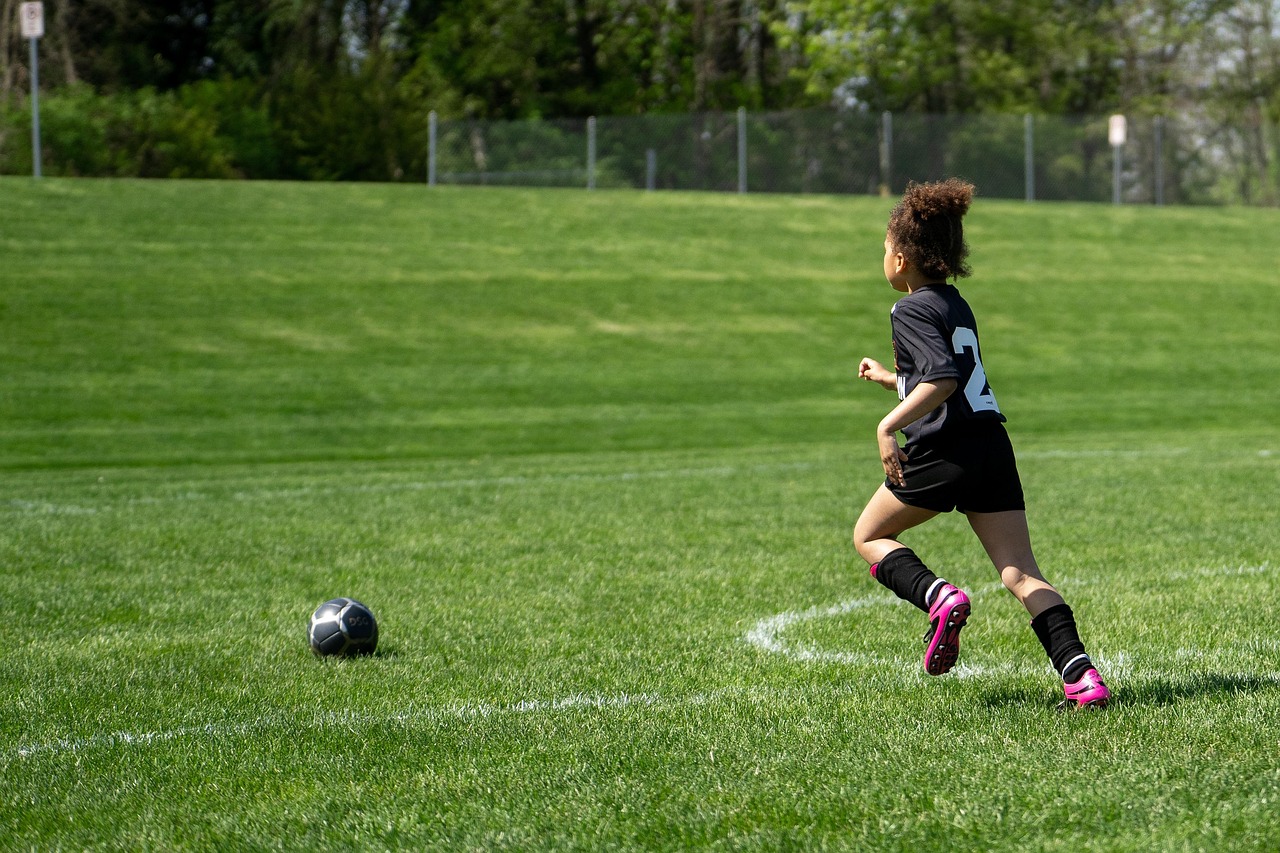

The Role of Parents in Supporting Youth Athletics Progress
Parents play a pivotal role in supporting their children’s involvement in youth athletics. Through their encouragement and participation, they can significantly impact a young athlete’s journey. When a child engages in sports, the initial encouragement from parents often helps develop a passion for physical activity. Additionally, parents can inspire confidence by attending games and practices, providing an emotional support system. To effectively support their child, parents should encourage positive behavior and participation, foster good sportsmanship, and celebrate improvements, regardless of outcomes. This process not only builds self-esteem but also nurtures a love for the sport. Moreover, open communication between parents and coaches can enhance developmental opportunities for the child. By engaging with coaches, parents can better understand their child’s progress, strengths, and areas for improvement. This collaboration is crucial as it can lead to more tailored support based on the child’s needs. Lastly, creating an environment where youth athletics is prioritized contributes to a healthy lifestyle, which becomes invaluable as children grow. Active involvement pays dividends that transcend sports, leading to lifelong physical and mental health benefits. Parents’ proactive engagement is essential for their child’s success in athletics.
Building a Supportive Environment for Young Athletes
Creating a nurturing environment extends beyond just attending games; it encompasses daily interactions and activities. Parents need to set a positive example by maintaining an active lifestyle themselves, as this establishes a baseline for appropriate behavior. This positive modeling encourages kids to take part in sports and other physical activities. Additionally, it helps contribute to a mindset that values fitness. Conversations about athletic experiences, sportsmanship, and teamwork at home can enrich a child’s perspective on youth athletics. Parents should emphasize that the joy of participation outweighs mere achievements. By focusing on the process and enjoyment rather than results, parents foster resilience and a growth mindset in youth athletes. Furthermore, it’s crucial to understand that every child develops at their own pace. Parents need to have realistic expectations about their child’s progression and competitive nature in sports. This helps avoid undue pressure that can lead to burnout or anxiety. Providing opportunities for various activities, rather than focusing solely on one sport, also promotes a more rounded development. Ultimately, showing unwavering support cultivates a more harmonious relationship between parent and child, benefiting both sports enjoyment and overall family dynamics.
Parental involvement must evolve as your child matures in their athletic journey. Initially, young children often require hands-on support, such as transportation to practices or involvement in event logistics. However, as children grow more independent, parents should carefully shift focus from doing everything for their child to providing guidance and encouragement. This strategy helps them develop critical decision-making skills. One effective way parents can support budding athletes is by encouraging them to set personal goals. Regular discussions about short-term and long-term aspirations help young athletes visualize their objectives, creating motivation to improve continuously. Additionally, when challenges emerge or frustration sets in due to performance plateaus, it is advantageous to remind them that everyone progresses at different rates. Perseverance through these hurdles is fundamental in athletic growth. Parents can foster an environment conducive to growth by instilling this mindset. This also opens the channel for ongoing discussions about achievements over time, framing them positively to build resilience. As a holistic approach, nurturing emotional responses to both successes and setbacks cements a child’s relationship with sport over the long term. Ultimately, this consistent approach will aid them in navigating life’s challenges.
The Importance of Communication with Coaches
Effective two-way communication between parents and coaches creates a strong knitting between home and sporting environments. Parents should not hesitate to establish partnerships with coaches to support their youth athletes more effectively. An informed parent understands their child’s challenges and achievements better, thereby providing more tailored support for the athlete. Attending meetings or events where coaches offer valuable insights into athletic development can empower parents. They gain pertinent information on how to best nurture their child’s skills while facilitating support at home. Consider asking coaches about the specific skills and attributes required for participation in their sport, which will guide parents in directing their child’s practice effectively. Additionally, parents should remain considerate of the coaches’ perspectives during communication. A mutual understanding leads to better relationships and creates a supportive backdrop for the young athlete. Let the child’s coach handle the technical aspects of the sport while parents bolster emotional confidence at home. This collaboration fosters an understanding of their roles and how they contribute to the child’s athletic development. Ultimately, strong communication can provide a consistent message that greatly benefits the youth athlete on and off the field.
Moreover, it’s vital to highlight the role of positive reinforcement in a child’s athletic journey. Parents should celebrate both minor and major accomplishments, as validation is crucial for young athletes. Recognition can range from simple praise after practice to celebration upon achieving personal goals in competitive settings. When parents actively engage in acknowledging their child’s progress, they reinforce their emotional attachment to sports and maintain motivation. This consistent support creates an affirming atmosphere that nurtures self-confidence, especially when challenges occur within their athletic experience. Additionally, parents should focus on individualized encouragement rather than comparison to peers, thus emphasizing personal improvement. Comparisons can lead to unnecessary pressure and hinder the joy of the sport. Ultimately, the goal is for children to own their success, understanding that effort and perseverance yield growth in athletics. Parents can foster resilience by teaching their children how to learn from mistakes and treat setbacks as opportunities rather than failures. This change in mindset enables youth athletes to embrace challenges positively. With such encouraging frameworks, young athletes learn to navigate competitions and life’s various obstacles, equipping them with valuable skills that extend far beyond the sports arena.
Encouraging Work-Life Balance in Youth Athletics
In the world of youth athletics, it’s crucial to maintain a balance between sports, academics, and personal time. Parents should empower their children to prioritize various commitments, instilling time management skills essential for holistic development. As children engage in more competitive sports, they might encounter rigorous training schedules that could encroach on academic time. It’s vital for parents to promote a well-rounded lifestyle that integrates both sporting and academic excellence. Encourage your child to allocate specific time for sports and studies to cultivate this balance. Additionally, parents should teach kids the importance of taking breaks, engaging in relaxation and hobbies outside of sports. By emphasizing the need for rest, they help instill resilience and prevent burnout. An overemphasis on competitive sports may lead children to neglect academics or other interests. Consequently, engaging children’s broader interests aids in their development into well-rounded individuals. By enabling free time for play and relationships with friends, parents allow youth athletes to grow socially, understanding teamwork and collaboration outside their sport. Ultimately, fostering a work-life balance reflects the positive ethos of sports and builds character values that last a lifetime.
Finally, it is necessary for parents to maintain a positive outlook, as their attitude toward sports can greatly impact their child’s experience. By exhibiting enthusiasm and celebrating participation, parents create an encouraging atmosphere. More fundamentally, having children view athletics as a fun, shared family experience serves as a powerful motivator. As parents bond through youth athletics, it encourages families to spend quality time together while engaging in healthy activities. Additionally, parents should avoid projecting inadequacies regarding their aspirations onto their children. Children need the freedom to explore their own interests within sports without feeling the burden of parental expectations. Understanding that every child is unique allows parents to embrace their child’s personal journey. Participation in youth athletics should be about enjoyment, skill-building, and growth—something that can be significantly amplified by supportive parenting. Being invested in their child’s athletics while allowing for individual expression fosters self-discovery. In conclusion, the role of parents is multifaceted in supporting youth athletics progress, nurturing growth, resilience, and self-esteem while role-modeling healthy behaviors and values all children need to succeed.