
The Connection Between Protein and Hair/Nail Health
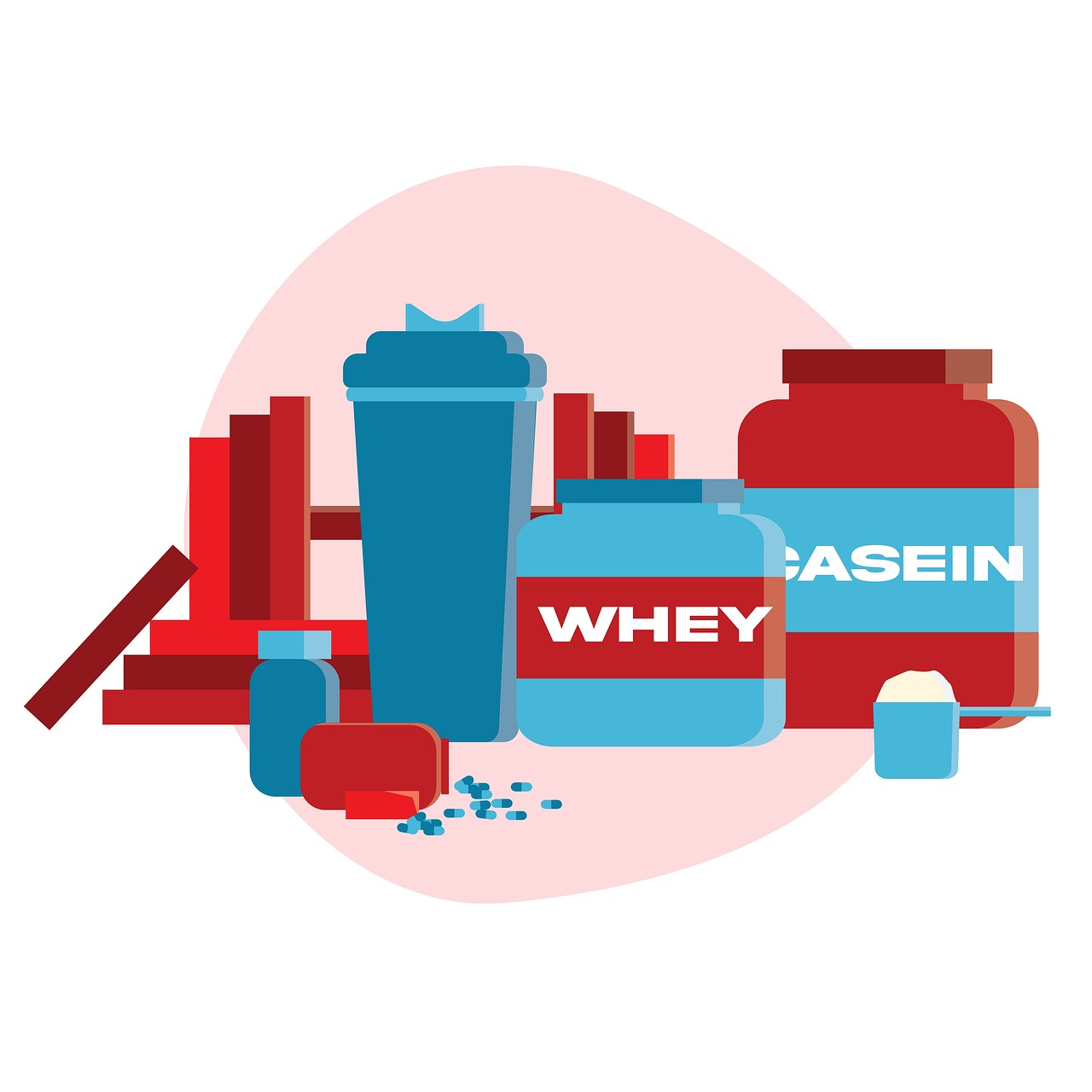
Hair and nails are composed primarily of proteins, which are crucial for their strength and health. Keratin, a type of protein, forms the structure of hair and nails. To maintain healthy hair and nails, adequate protein intake is essential. A deficiency in protein can lead to weak, brittle hair and nails that break easily. Evidence suggests that individuals with healthier diets high in protein-rich foods experience better hair and nail growth. Incorporating foods like lean meats, fish, beans, and dairy products can help fulfill protein needs. Supplements may also benefit those who struggle to obtain enough protein from food alone. Minimize refined sugars and processed foods as they can hinder protein absorption. By focusing on whole, nutrient-dense foods, one can enhance their overall hair and nail health. Individuals may closely monitor how their hair and nails respond with diet changes. Keeping a balance of macronutrients, including carbohydrates and fats, is equally important for overall health. That attention to detail plays a significant role in cultivating a balanced diet supportive of protein absorption for hair and nail vitality.
Ensuring you receive a variety of protein sources plays a vital role in improving nail and hair strength. Different protein types contribute uniquely to hair and nail structure. For example, animal proteins provide essential amino acids often less available in plant sources. Carnivorous and omnivorous diets generally yield more comprehensive amino acid profiles essential for keratin production. On the other hand, plant-based sources such as legumes, nuts, tofu, and grains can also form a complete protein when combined. This combination approach is beneficial for individuals following vegetarian or vegan diets. It’s crucial to consume enough of these diverse protein sources. Nutritionists recommend assessing your diet based on daily protein requirements, which may slightly vary according to age, sex, and activity levels. Those experiencing hair loss or brittle nails may consider increasing their protein intake significantly. Supplements can also provide concentrated forms of amino acids necessary for hair and nail repair. Additionally, staying hydrated impacts nutrient absorption and overall health. Therefore, drinking sufficient water can complement a robust protein-rich diet. Each food choice contributes to improving the overall health and appearance of hair and nails throughout daily life.
The Role of Biotin in Hair and Nail Health
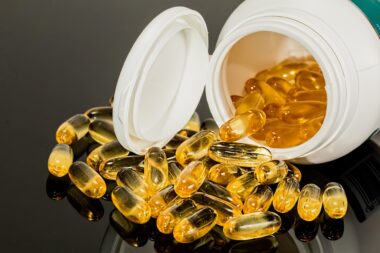
Biotin, a B vitamin, has gained popularity as a key vitamin for promoting hair and nail growth. Scientific studies support its effectiveness in enhancing keratin infrastructure which directly benefits hair and nail strength. Biotin deficiencies are rare, but they can manifest in hair thinning, shedding, and nail brittleness. Consuming biotin-rich foods, such as eggs, nuts, seeds, and certain vegetables, aids in combating these issues. Some individuals opt for biotin supplements to improve hair and nail health further. Consult with healthcare professionals before starting any supplementation, as overdosing can lead to adverse effects. Furthermore, individual responses to biotin supplementation may vary widely among people. While some may see significant improvements in hair growth and strength, others may not notice a difference at all. In some cases, hair and nail growth may be linked to other nutrient deficiencies rather than solely biotin. Thus, a holistic approach to nutrition remains essential. Understanding your unique dietary needs enhances personal health outcomes, especially concerning hair and nail strength. In summary, adequate biotin intake does support overall hair and nail vitality significantly.
Several other vitamins and minerals play a complementary role in fostering healthy hair and nails. Vitamin D, for instance, is essential for hair follicle cycling, and its deficiency can lead to hair loss. Ensuring optimal levels through sun exposure or dietary sources like fortified foods and fatty fish can improve overall health. Zinc, another critical mineral, promotes protein synthesis and cell reproduction. Incorporating zinc-rich foods like shellfish, legumes, and seeds can strengthen nails against dullness and breaking. Iron, crucial for oxygen transportation in the blood, is also vital for hair health. Low dietary iron can lead to anemia, negatively affecting hair strength and growth. Foods such as spinach, lentils, and beef can help maintain sufficient iron levels. Magnesium is yet another essential mineral that supports overall hair quality. A deficiency in magnesium may affect the hair’s overall condition and its growth cycle. Therefore, a well-balanced diet rich in vitamins and minerals is crucial. Supplementing specific vitamins and minerals might be a wise choice depending on personal health conditions. Personalized nutrition allows for optimal hair and nail health without requiring a one-size-fits-all regimen.
Challenges to Protein Absorption
In today’s fast-paced environment, many individuals may face challenges in meeting their protein requirements. Stress, poor eating habits, or medical conditions can hinder proper nutrient absorption. Digestive issues, such as irritable bowel syndrome or leaky gut syndrome, can also affect how well the body processes proteins. Incorporating digestive aids like probiotics may promote a healthy gut and improve protein absorption. Individuals who follow restrictive diets may be more susceptible to protein deficiencies. Careful menu planning is crucial for these individuals to ensure they still achieve adequate protein intake. It is essential to balance mineral intake, as high amounts of calcium can impair the absorption of certain proteins. The timing of protein consumption matters, too; several small protein-rich meals throughout the day may enhance overall absorption. Observing your body’s reactions to different eating patterns offers insights into what approach works best for you. Regularly tracking changes in hair and nail health can help individuals determine the effectiveness of dietary modifications. Assessing lifestyle changes alongside professional guidance contributes significantly to sustaining nutrient intake quality.
Maintaining hydration is equally crucial for maximizing the benefits of protein-rich diets. Water aids in digestion and nutrient transport throughout the body, which supports hair and nail health. Insufficient hydration may lead to dry, brittle hair and weaker nails. Aim for an adequate daily water intake by focusing on your unique needs and lifestyle factors. Individuals should take additional steps during hotter months or high-intensity exercise, as they require more fluids to stay hydrated. The consumption of hydrating foods, such as cucumbers and oranges, can also effectively support daily hydration levels. Just as hydration influences protein absorption, so too can consistent overall health monitoring impact hair and nail vitality. Regularly scheduled checkups or assessments can help highlight if dietary adjustments are effective. Additionally, being mindful of any emerging health concerns allows for proactive dietary changes that support hair and nail vitality. A multi-faceted approach to nutrition, including hydration, stress management, and balanced macronutrient intake, significantly influences both hair and nail quality. Ultimately, sustained efforts to prioritize health yield long-term benefits.
Conclusion: A Holistic Approach to Hair and Nail Care
In conclusion, the connection between protein and hair/nail health cannot be overstated. Prioritizing a balanced diet rich in protein sources, vitamins, and minerals is essential for maintaining vibrant hair and nails. Individuals should assess their unique dietary needs while evaluating the potential impacts of lifestyle, hydration, and overall health. Integrating whole foods and various nutrients can support the keratin structure essential for healthy hair and nails. Regular monitoring, personalized nutrition, and consultation with healthcare professionals encourage sustained health improvements. Understanding individual requirements fosters a sense of empowerment in managing hair and nail vitality. Advanced knowledge about diet and its direct correlation with beauty contributes positively to overall well-being. Implementing these changes requires dedication and commitment, but the results may vastly improve hair and nail quality. Remember to remain adaptable in your approach, as what works for one individual may vary for another. A well-rounded regimen focusing on optimal nutrition promises benefits beyond appearance; it influences confidence and self-esteem. In essence, to achieve desired hair and nail health, embracing a holistic perspective is vital to a successful strategy.
Ultimately, securing optimal hair and nail health comes from within, reinforced through careful nutritional choices. A tailored approach, integrating protein-rich foods, and ensuring proper vitamin and mineral intake will yield the best results. Keep striving for knowledge and understanding of your body’s unique requirements, taking one step at a time, while embracing the journey towards enhanced beauty.