
Post-Workout Recovery for Outdoor Athletes: Seasonal Considerations
For outdoor athletes, especially those participating in seasonal sports, understanding post-workout recovery is crucial. Seasonal changes can significantly affect how athletes approach recovery, requiring adaptation to the environmental conditions before, during, and after exercising. During warmer months, hydration becomes paramount, as athletes are prone to excessive sweating. Consuming adequate fluids not only aids recovery but also prevents dehydration-related complications. In winter, athletes must contend with lower temperatures that can impact muscle recovery. Here, heat retention while cooling down helps to maintain body warmth and avoid stiffness. Strong emphasis on nutrients should also be highlighted, as seasonal fruits and vegetables provide vital vitamins. For optimal recovery, meals should embrace the colors of the season, such as oranges and greens. Moreover, recovery techniques should include stretching, foam rolling, or localized heat application. Each of these methodologies prepares the body for subsequent challenges. Remember, no two seasons are alike. Therefore, fine-tuning your recovery strategy is essential to align with changing conditions and to support peak athletic performance. Incorporating conditioning exercises also promotes better recovery and enhances strength, boosting overall performance.
Nutrition plays a pivotal role in recovery for outdoor athletes adjusting to varied seasonal demands. The right balance of carbohydrates, proteins, and fats aids in tissue repair and energy replenishment. It’s important to consume protein-rich foods like lean meats, fish, and legumes right after workouts. Additionally, seasonal foods should be prioritized for optimal benefits; for example, in summer, fruits like watermelon and berries are not only refreshing but also hydrating. In contrast, root vegetables in fall and winter offer dense nutrition that is warming and energizing. Emphasizing diverse colors on the plate can ensure a wide array of nutrients that correlate with recovery needs across different seasons. Hydration, a critical aspect, should not be sidelined. Incorporating electrolyte-rich drinks, especially post-exertion, can help in replacing lost minerals. This enhances recovery and prepares athletes for continued exertion. Furthermore, embracing local products ensures freshness, leading to improved nutrient intake. Outdoor athletes must also consider the impact of their training environment. Elevation, temperature, and humidity can all affect hydration needs, making it vital to adapt strategies accordingly, thus enhancing resilience and ensuring a sustainable athletic journey.
Importance of Active Recovery
Active recovery should be an integral component of a post-workout regimen for outdoor athletes across the seasons. Engaging in low-intensity activities like walking, cycling, or gentle yoga can enhance circulation. This increased blood flow accelerates nutrient delivery to fatigued muscles, facilitating enhanced recovery. Notably, the concept of active recovery aligns well with the trends of seasonal training, ensuring athletes remain engaged during less intense periods. Short, low-impact activities contribute to maintaining flexibility and overall fitness levels. This strategy also aids in flushing out metabolic waste produced during intense workouts, speeding up recovery times effectively. Additionally, in warmer months, mornings or evenings provide an ideal window for low-intensity activities when temperatures are more bearable. Conversely, winter sports may require creative adaptations like indoor activities or mixing recovery workouts with conditioning drills to maintain fitness. It is paramount that athletes listen to their bodies; monitoring daily performance can provide insights into optimal days for active recovery sessions. Remember, adaptation is key. Staying in tune with individual wellness and seasonal shifts can very well enhance endurance and resilience in outdoor sporting arenas.
Role of Sleep and Rest
In a comprehensive post-workout recovery plan, the role of sleep is indispensable for outdoor athletes, especially in seasonal transitions. Quality sleep helps in muscle recovery and overall rejuvenation, which is often overlooked amid busy training schedules. During periods of intense seasonal training, athletes should prioritize sleep quality, as inadequate rest can impede performance. Strategies for improving sleep can include establishing a consistent sleep schedule, creating a restful environment, and limiting screen time before bed. It is worth noting that seasonal changes in daylight may affect sleep patterns; thus, using blackout curtains during summer and a white noise machine for winter can provide a stable sleeping environment. Additionally, napping can be a strategic tool during intense training months, providing quick recovery boosts. Ensuring sufficient rest days between tough workouts also helps maintain performance levels across the training season. It is essential for athletes to balance intense training with rest to rejuvenate their bodies fully. By fostering a sleep-conscious culture, outdoor athletes can enhance not only their recovery but also their overall resilience during demanding seasonal shifts.
Stress management techniques should also be incorporated into recovery strategies for outdoor athletes. Seasonal changes often bring unpredictable weather conditions and unforeseen challenges that can contribute to stress. Employing mindfulness practices, breathing exercises, or meditative activities can greatly enhance recovery. These techniques help maintain focus and calm, ensuring that mental clarity and emotional stability are achieved during rigorous training. Outdoor activities often expose athletes to nature, a natural stress-reliever, thus fostering physical and mental wellness. Nature-based activities can be particularly beneficial in combating seasonal affective disorder, which some athletes experience during winter months. Taking breaks in green spaces, practicing yoga outdoors, or simply enjoying a nature walk can help clear the mind. Moreover, group activities align athletes with supportive peers, promoting camaraderie while aiding overall emotional health. This is vital as it strengthens interpersonal connections. When considering recovery, both body and mind require attention. Transforming stressful moments into rewarding experiences enhances overall well-being and performance. Merging these strategies can improve recovery outcomes significantly, allowing athletes to face seasonal challenges with renewed vigor and resilience.
Hydration and Seasonal Variations
Hydration is a multifaceted requirement for outdoor athletes that changes dramatically with the seasons. In summer, increased temperatures necessitate heightened attention to fluid intake before, during, and after exercise. Staying ahead of dehydration, athletes are encouraged to implement detailed hydration plans that include water and electrolyte-rich beverages. This is not just about quenching thirst; it’s central to performance continuity and aids in recovery. However, during the winter months, hydration needs can be deceptively low, as cold temperatures reduce the urge to drink. This can lead to inadequate fluid intake, which is critical in maintaining endurance and stamina. Athletes should develop habits that encourage regular hydration, even when not feeling thirsty. Monitoring urine color is one practical strategy; this can indicate hydration levels accurately. While adjusting to seasonal hydration needs, athletes must consider factors like training duration, intensity, and the specific environment they are training in. Breath exfoliation also contributes to hydration loss in colder weather. By understanding these seasonal implications and strategizing fluid intake appropriately, athletes can optimize recovery both physically and mentally.
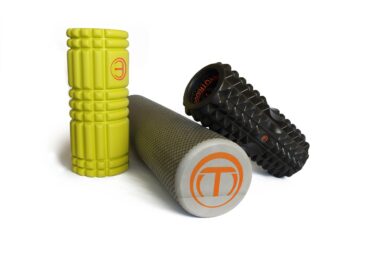
The right gear should not be underestimated when focusing on recovery for outdoor athletes in various seasons. Choosing appropriate clothing and recovery tools can enhance comfort and performance. In warmer months, breathable, moisture-wicking fabrics help maintain body temperature, lowering the risk of overheating. Lightweight clothing can also expedite muscle recovery by encouraging proper airflow. Conversely, selecting thermal gear becomes vital during winter; thermal layers help retain heat and aid in post-training recovery by keeping muscles warm. Using compression garments can further improve blood flow, minimizing swelling and enhancing recovery rates. Tools like massage balls and foam rollers support muscle recovery by reducing soreness, promoting a quicker return to activity levels. Seasonal accessories should also be considered, such as gloves or beanies to prevent excessive heat loss. Outdoor athletes must ensure they have the right equipment tailored to their seasonal needs. Continuous assessment of gear effectiveness is crucial, as comfort directly influences performance and recovery. Ultimately, investing in quality clothing and recovery tools contributes to both immediate comfort and long-term athletic success.
Technology and fitness apps can further streamline the recovery process for outdoor athletes, especially across seasonal variations. Utilizing innovative tools for tracking hydration levels, meal planning, or recovery workouts ensures no aspect of the recovery process is overlooked. Many fitness apps allow athletes to connect with nutritionists, personal coaches, or fellow enthusiasts, fostering a community of support and accountability. Seasonal adjustments can be implemented within these apps, providing tailored recommendations based on the athlete’s specific training schedules and local environmental factors. Furthermore, wearable devices help monitor recovery metrics, such as heart rates and sleep quality, facilitating real-time adjustments. This can ultimately enhance performance and endurance. Indoor recovery practices, like yoga sessions or guided stretching routines, are easily incorporated into athletes’ schedules through mobile platforms. These enable a normal routine regardless of weather conditions, ensuring recovery remains consistent and effective. Athletes should explore various technology solutions that best address their unique needs. Ultimately, leveraging technology allows for a more proactive, informed approach to post-workout recovery, ultimately ensuring sustained performance throughout any season.