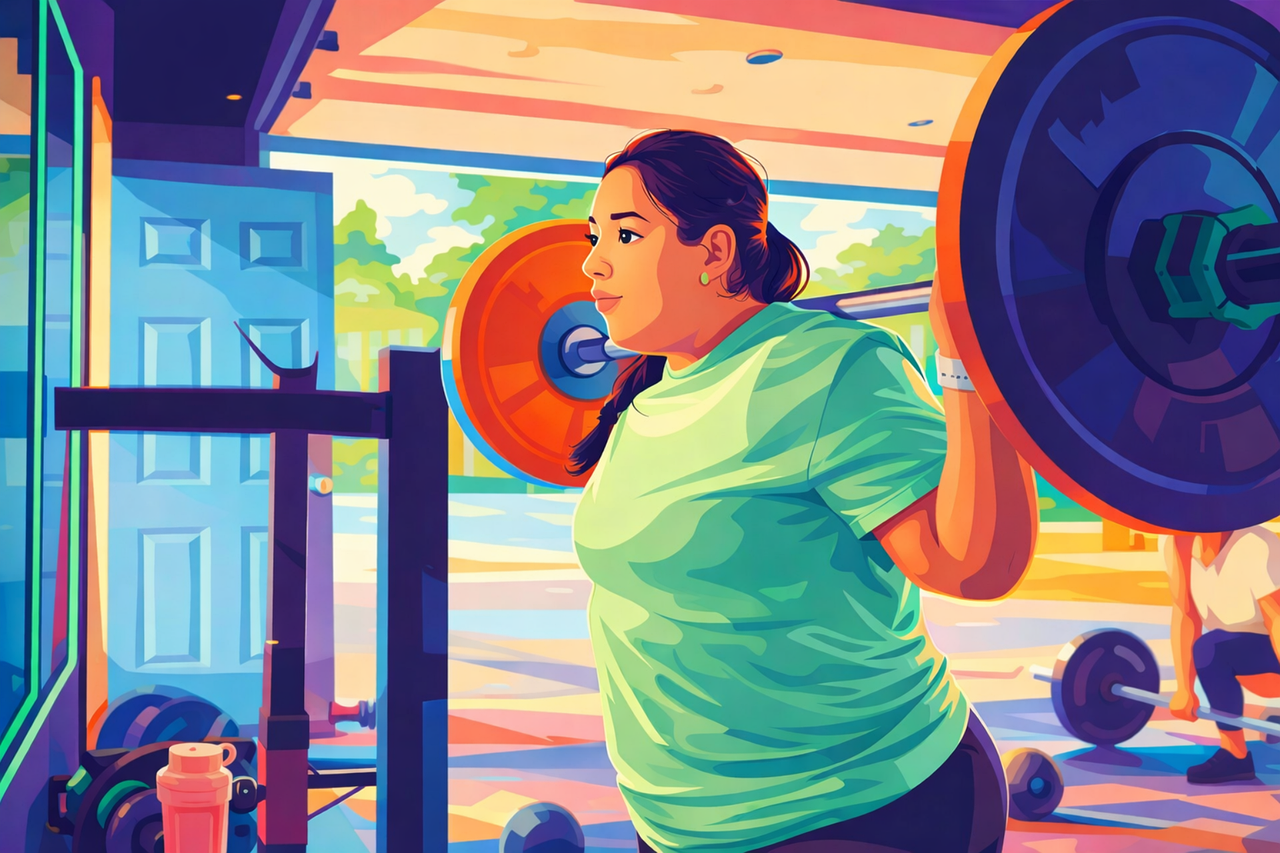

How to Encourage Positive Reinforcement Among Gym Goers
Creating a welcoming and supportive environment is essential to avoid gym bullying and intimidation. Positive reinforcement techniques can transform gym culture, promoting safety and encouragement. First and foremost, trainers and gym staff must lead by example, displaying respectful behavior toward all gym members. By modeling compassion and consideration, they set a standard that others are likely to emulate. Additionally, establishing clear guidelines about acceptable behavior and potential consequences for bullying can dissuade negative actions. It is vital, therefore, that gyms regularly conduct workshops and discussions to raise awareness about the impact of bullying. Members must understand the value of boosting one another’s confidence through constructive feedback. Encouraging camaraderie among gym attendees can foster a sense of belonging and empowerment as well. Moreover, gyms can create initiatives such as community events, where members unite to promote fitness goals and celebrate achievements. This approach cultivates motivational relationships between participants. Remember that uplifting each other makes everyone feel included. Lastly, using social media to highlight positive achievements can motivate gym-goers and inspire them to persevere in their fitness journey.
To create lasting changes in gym culture, consider implementing peer mentoring programs. Such programs allow experienced members to support newcomers, helping them build confidence and improve their workout techniques. New gym-goers often feel intimidated by their surroundings, so meaningful mentorship can help break down barriers. Moreover, these supportive relationships reduce the likelihood of intimidation. They elevate experiences for everyone involved while promoting a friendly atmosphere. Peer mentors can also whip up encouragement that enhances the spirit of perseverance. When gym-goers witness others overcoming obstacles, they tend to motivate each other to push their limits. In addition, gyms can create platforms for members to share their success stories, spotlighting personal transformations. Success showcases inspire those who may feel lost in their fitness journey. Furthermore, regular feedback sessions can be essential in promoting open communication among members. Having an informal space where individuals can discuss experiences allows for emotional release and strengthens community bonds. Additionally, the presence of gym-wide challenges can rally members toward unity. Progress-driven challenges encourage both teamwork and rivalry, ensuring that members stay focused while remaining supportive of one another throughout their training.
Creating a Culture of Support
A culture of support in gyms is crucial for the well-being of all gym-goers. Establishing this culture begins with clear communication from gym trainers and staff. They should outline their commitment to promoting positive reinforcement, setting it as a core principle of their gym philosophy. Regular workshops and seminars focusing on mental health alongside fitness can also help educate members on the importance of emotional well-being. Creating general awareness regarding mental health encourages empathy among members, leading to a more accepting environment. Furthermore, gyms can encourage members to celebrate each other’s milestones effectively. Milestones are essential motivation sources, and recognizing them can bring members together. In this regard, social media can play a vital role in amplifying positive narratives. Posting successes and celebrating each other fosters resource-sharing and enhances gym community spirits. Additionally, gym challenges that include community input create a more significant sense of ownership among participants. Engaging members in setting goals and sharing responsibilities for initiatives nurtures teamwork. Organizing regular team events allows individuals to bond while participating in enjoyable activities that promote collaboration and understanding among members. In this way, fostering a culture of support and friendship can significantly mitigate intimidation experiences.
Organizing group activities in gyms not only enhances fitness outcomes but also builds trust among members. Activities like group classes, team challenges, and fitness events are essential in fostering strong gym cultures. These group endeavors facilitate socialization and allow individuals to meet new friends who share similar fitness interests. Additionally, creating a buddy system can encourage gym-goers to pair up for workouts or challenges. When members work out as partners, they motivate one another, making exercising less daunting and more enjoyable. This connection can contribute to a positive atmosphere, which is beneficial in curbing negativity and bullying. Furthermore, recognizing and appreciating diverse fitness levels within the gym reduces intimidation among participants. Everyone needs to feel valued for their efforts, regardless of their abilities. Consequently, creating diverse training groups inclusive of varied skill levels can enhance social ties among different members. Everyone deserves a chance to experience positive reinforcement. Member appreciation days, where accomplishments are recognized, can further solidify community bonds. Showcasing individual or group successes reduces feelings of isolation and promotes collective encouragement among gym attendees, making the environment safer and more amiable.
Encouraging Healthy Competition
Healthy competition is essential when promoting a positive gym environment, benefiting all goers. It’s crucial to ensure that competition remains constructive rather than detrimental by focusing on support and encouragement. To do this, encouraging gym leaders and staff members to highlight camaraderie first fosters friendly rivalry among participants. As individuals engage in competitions, they should also have access to personal development resources. Providing workshops on stamina, technique, emotional resilience, and nutrition promotes an all-rounded understanding of fitness. When members understand that personal improvement takes precedence over strict competition, they will feel empowered to uplift each other. This environment cultivates a solidarity-driven attitude, reducing negative interactions. Moreover, participating in fitness campaigns that encourage collaboration among members nurtures better group dynamics, serving to counteract feelings of intimidation. Holding community events where participants can showcase their progress is another effective tactic. This practice allows all members to interact openly while focusing on collective well-being rather than individual outcomes. Coaches can also engage members in providing constructive feedback after training sessions. Such activities encourage individuals to learn from one another’s experiences, solidifying the importance of collaboration and support over competition.
Providing ongoing education about the detrimental effects of gym bullying is essential in establishing a respectful community. This education can be realized through workshops, informational pamphlets, and fitness forums conducted by gyms. Educators can address what constitutes bullying while teaching empathetic responses to prevent it. Gym members must understand that positive interactions can significantly benefit their emotional health. Furthermore, encouraging validation by allowing gym-goers to express thoughts and feelings freely creates an environment devoid of judgment. Allowing for this transparency fosters honest communication between members, helping to build rapport. Trainers should also focus on emotional intelligence and personal development alongside physical training. Equipping members with these skills provides them with the necessary tools for successful engagement. Additionally, embedding conflict resolution training within fitness programming ensures members can navigate disagreements amiably. Instilling these principles minimizes antagonistic interactions and strengthens community connections. Moreover, promoting feedback channels for reporting negative encounters is crucial, as individuals need safe ways to express concerns. When members can voice issues, gym management can address them proactively. Thus, creating a supportive space where everyone feels recognized can be achieved through continuous education and awareness.
Conclusion and Moving Forward
In conclusion, fostering positive reinforcement among gym-goers is fundamental in combating bullying and intimidation. The responsibility lies equally with gym leaders, staff, and members to create a nurturing atmosphere. Prioritizing respect, empathy, and understanding establishes a foundation for healthy relationships to thrive. These principles can be integrated into gym culture through continuous education and organized supportment initiatives. Programs focusing on peer mentoring, group activities, and open communication will successfully encourage a strong sense of belonging among members. Additionally, recognizing individual achievements and milestones fosters motivation and unearths hoped-for connections. By transforming competition into a healthy form of encouragement, gym-goers can successfully bond through shared experiences. Creating a culture of openness enables all members to navigate their fitness journeys confidently. Investing time in building relationships ultimately advances collective well-being and enhances overall gym experiences. The community thrives when everyone fosters strengths while accommodating differences and vulnerabilities. Understanding the importance of positive reinforcement in gyms can significantly reduce instances of intimidation and bullying. As individuals strive for better versions of themselves, they can celebrate these successes together, ensuring that everyone’s fitness endeavors flourish in a supportive environment.