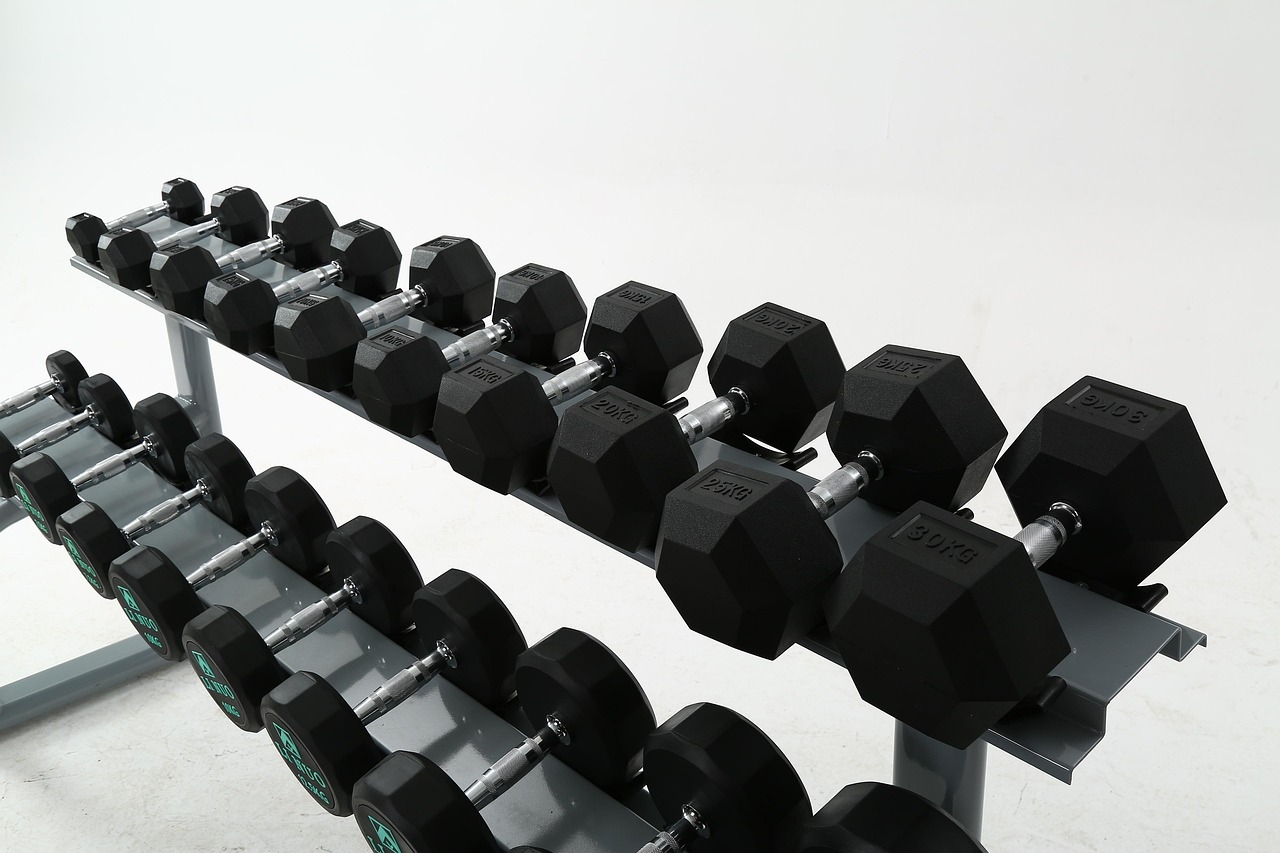

E-commerce’s Role in Expanding the Fitness Equipment Market
The fitness equipment market has been experiencing significant transformation due to the rise of e-commerce. More consumers are turning to online platforms for their fitness needs, leading to higher sales in this sector. E-commerce provides customers with a broad selection of products, often at lower prices compared to traditional retail stores. Customers can easily compare features, prices, and reviews before making their purchases. Moreover, delivery options have become increasingly convenient, with many companies offering same-day or next-day shipping. This swift and efficient service helps to attract more customers who appreciate immediate gratification. Online purchases of fitness equipment reduce the time and effort spent visiting multiple stores to find ideal products. Additionally, the variety available online caters to diverse fitness preferences — from weightlifting equipment to high-tech cardio machines. Many consumers are now also looking for smart equipment that connects to apps for tracking workouts. Consequently, fitness brands that adapt to this e-commerce model are likely to thrive. Investing in an online presence not only enhances outreach but fosters community engagement among fitness enthusiasts, creating a loyal customer base.
Impact of Online Reviews and Social Media
Online reviews and social media play a critical role in shaping consumer behavior in the fitness equipment market. Customers increasingly rely on peer opinions and experiences when deciding on purchases. These platforms allow users to share their testimonials and feedback, providing insights that can influence potential buyers. Brands that encourage customer interaction foster a sense of community, leading to increased trust and loyalty. Social media also serves as an essential marketing tool to showcase new products, promotions, and customer stories. Additionally, fitness influencers often promote products, which can have a substantial impact on followers’ buying decisions. Influencer marketing effectively combines personal recommendations with a broader audience reach, making it a powerful promotional strategy. Utilising platforms like Instagram and TikTok not only spreads awareness but creates engaging content that resonates with users. Brands that actively engage on social media platforms have an edge over competitors who do not. This dynamic engagement helps brands to adapt quickly to trends and consumer preferences. As a result, e-commerce continues to evolve, driven by social interactions that connect brands and consumers in innovative ways.
Moreover, the design and aesthetics of online stores have become critical elements in acquiring and retaining customers. E-commerce websites geared towards fitness equipment must prioritize user experience with visually appealing designs and straightforward navigation. An inviting and user-friendly website enhances the shopping experience, making customers more likely to complete their purchases. Key features, such as easy categorization, filters, and search functionalities, contribute to the overall satisfaction of online shoppers. Additionally, high-quality visuals and detailed product descriptions, including videos demonstrating use, can significantly lessen customer uncertainty regarding purchases. Customers want to feel confident about the products they are about to buy, especially when spending a considerable amount of money. Ensuring that customers have all necessary information readily available leads to informed decisions, reducing the likelihood of returns. An attractive online store also encourages impulse buying, as customers are drawn to aesthetically pleasing layouts and eye-catching promotions. Consequently, fitness brands must invest in their e-commerce platforms, enhancing not only the visual appeal but also the technological infrastructure that supports seamless transactions and effective customer service.
Customization and Personalization in E-Commerce
Customization and personalization have become instrumental in the growth of the online fitness equipment market. With the help of data collection and analysis, companies can provide tailored recommendations based on customers’ past purchases and browsing behavior. This personalized approach enhances customer experience, leading to increased sales and repeat business. Many fitness brands are utilizing algorithms that analyze consumer data to suggest relevant products that align with individual fitness goals. Custom-made equipment options have also emerged, allowing customers to design products that fit their specific needs and preferences. Offering personalization options not only differentiates brands in a competitive landscape but builds a stronger emotional connection with customers. Additionally, personalized communication through email marketing keeps customers informed and engaged. Emails can contain special offers or fitness tips curated to interests, increasing the chance they will make a purchase. As individuals seek fitness solutions that align with their lifestyle, brands that prioritize customization will likely succeed. E-commerce platforms are thus evolving into spaces where each consumer feels valued and understood, driving growth in the fitness equipment market.
As the popularity of e-commerce continues to grow, the logistics surrounding shipping and returns are becoming more crucial for fitness equipment brands. Efficient shipping solutions place an emphasis on customer satisfaction, which is vital for maintaining competitive advantage. Fast and reliable shipping will incentivize potential customers to choose one brand over another. Additionally, providing hassle-free return policies is necessary to reassure customers about their decisions. Fitness brands that focus on excellent logistics can build strong customer loyalty and improve brand reputation. Moreover, partnerships with logistic companies can ensure products are delivered safely and promptly. By streamlining operational processes, brands can reduce costs and provide value to their customers, encouraging them to return. The importance of transparent communication regarding delivery timelines cannot be overstated; customers appreciate being informed at every stage of their order. Enhanced logistics in combination with e-commerce capabilities allows brands to adapt swiftly to consumer preferences while providing excellent customer service. Therefore, logistics is a vital aspect of e-commerce strategies that directly impacts consumers’ purchasing experiences and satisfaction with fitness equipment brands.
The Future of Fitness Equipment E-Commerce
Looking ahead, the fitness equipment market is poised for continued growth driven primarily by e-commerce. The convergence of technology and fitness offers consumers unprecedented options for working out at home. Innovations such as smart gym equipment, augmented reality applications, and online classes have opened new avenues for consumer engagement. E-commerce platforms are evolving to accommodate these technological advancements, providing ideal environments for purchasing high-tech fitness solutions. Furthermore, subscription services for equipment and fitness programs are becoming increasingly popular, creating a recurring income stream for equipment brands. As virtual training becomes mainstream, brands can leverage their online platforms to reach massive audiences. Collaborations with fitness professionals and trainers to offer bundled services can eventuate as a new revenue model. Continuous adaptation to digital trends will be essential, and brands must remain flexible in their strategies. The ability to pivot in an ever-changing landscape will define successful players in the fitness equipment market. Consequently, the future holds vast potential for e-commerce entrepreneurs looking to capitalize on changing fitness dynamics and consumer behaviors.
In conclusion, the role of e-commerce in expanding the fitness equipment market cannot be overstated. The sector has swiftly transitioned towards online sales, partially due to the demands for convenience and personalized experiences. By capitalizing on social media, enhancing website aesthetics, and offering customization, brands are successfully engaging consumers. As logistics improve and new technologies emerge, the opportunities for innovation and growth are boundless. It is essential for fitness brands to keep pace with changing market preferences, ensuring they do not fall behind the competition. Future industry leaders will leverage technology, consumer insights, and e-commerce efficiencies to dominate the marketplace. A resilient and adaptable approach will be necessary to navigate the evolving fitness landscape. Strong customer relationships fostered through exceptional online experiences will ultimately drive loyalty and sustained success. Thus, fitness equipment brands are urged to embrace the benefits that e-commerce offers, paving the way for a healthier, more connected global community of fitness enthusiasts actively pursuing their goals.