
Adaptive Fitness Success Stories: Inspiring Wheelchair Athletes
Adaptive fitness has transformed the lives of countless individuals, especially wheelchair athletes who have defied odds to achieve remarkable feats. These inspiring success stories showcase the resilience, determination, and grit displayed by athletes who, despite facing physical challenges, thrive in competitive sports. Wheelchair athletes often push beyond what is deemed possible, proving that disability does not hinder one’s pursuit of excellence. Their journeys reflect the impact of adaptive fitness programs tailored to enhance strength and agility. Each story serves as a powerful reminder that commitment to fitness enriches the quality of life for those with disabilities. From participating in marathons to excelling in basketball championships, wheelchair athletes demonstrate that barriers can be overcome. Engaging in rigorous training regimes and utilizing adaptive technologies, they continually evolve their athletic capabilities. Their successes inspire not only other wheelchair users but also the broader community to embrace inclusivity in fitness. As these athletes continue sharing their stories, they encourage aspiring individuals to take charge of their fitness journeys, proving that through determination and the right support, anything is achievable.
The Impact of Adaptive Workouts
The realm of adaptive workouts offers endless possibilities for wheelchair athletes, emphasizing personalized training regimens that cater to individual needs. These tailored workouts focus on building strength, endurance, and flexibility while considering physical limitations. Successful athletes often work with trainers who specialize in adaptive fitness, ensuring that their training plans maximize performance and safety. Furthermore, adaptive workouts empower athletes to take control of their fitness, increasing their confidence and improving their overall well-being. Many wheelchair athletes participate in diverse sports, from racing to weightlifting, showcasing the versatility of adaptive exercises. The incorporation of assistive technologies, such as specialized chairs and equipment, plays a crucial role in enhancing performance. As athletes engage in these workouts, they not only improve their physical abilities but also forge supportive communities. Together, they inspire one another and share strategies for overcoming obstacles. These connections foster resilience and determination, reinforcing the belief that everyone can lead an active lifestyle. Adaptive workouts are essential not just for competition but for promoting a healthy and fulfilling life, making them invaluable for wheelchair athletes seeking success.
One inspiring figure in adaptive fitness is Emma, a wheelchair athlete who broke stereotypes and won multiple championships in wheelchair basketball. Emma began her athletic journey after an injury left her needing a wheelchair. Initially intimidated by her new circumstances, she found hope through adaptive workouts and joined a local team. Her determination transformed her from a novice to a key player known for her incredible skills and leadership on the court. Emma’s story transcends sports; it embodies resilience and the importance of community support. Through her journey, she emphasizes the significance of tailored training and access to adaptive sports resources, which can be life-changing for many individuals with disabilities. In addition to her athletic achievements, Emma advocates for the inclusion of adaptive fitness in schools and recreational programs to inspire young athletes. She frequently shares her story at events, encouraging others to explore their potential and engage with adaptive sports. Emma’s achievements and advocacy highlight the importance of accessibility in driving participation and success in adaptive fitness, making her an influential role model for aspiring wheelchair athletes worldwide.
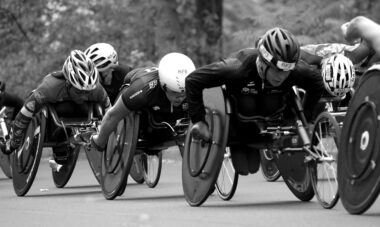
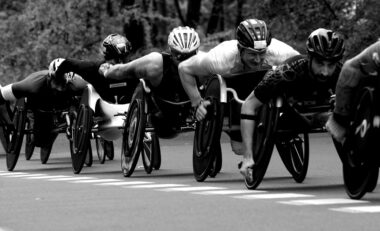
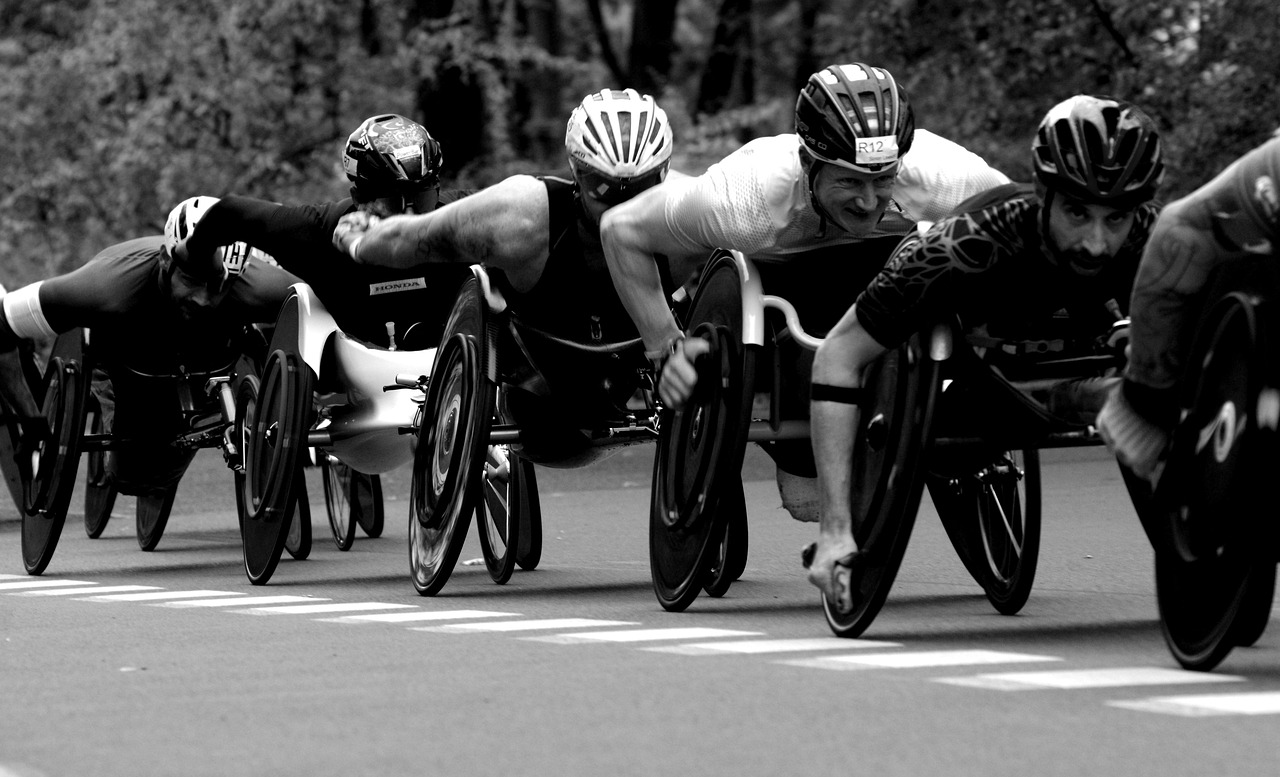
Another remarkable athlete setting a powerful example is Marcus, who transitioned from a passionate runner to a wheelchair racer after a life-altering accident. Marcus faced numerous challenges during his rehabilitation but chose to cultivate a strong mindset toward recovery and fitness. By focusing on adaptive workouts tailored specifically for racing, he quickly adapted to the demands of the sport and honed his skills on the track. Through sheer determination and extensive training, Marcus achieved his dream of competing at national levels. His story has inspired many individuals facing similar hurdles, showing that perseverance can lead to incredible transformations. Additionally, Marcus is a strong advocate for mental health awareness, emphasizing the importance of a positive mindset for athletes with disabilities. He often speaks about how cultivating mental resilience can be just as crucial as physical training. In doing so, Marcus empowers others to face adversities head-on, using fitness as a tool for healing and empowerment. He believes that everyone, regardless of their challenges, can harness the power of adaptive fitness to achieve their goals and enhance their quality of life.
Community and Support Systems
The role of community support in adaptive fitness is vital for athletes like Sarah, who discovered the impact of camaraderie during her journey in wheelchair racing. Sarah started racing after being motivated by peers in her local adaptive sports club, where she found inspiration and encouragement. The sense of belonging and shared experiences helped her navigate the emotional and physical challenges associated with her disability. The club provided a supportive environment, facilitating access to training facilities, adaptive equipment, and coaching expertise. This collective effort fostered personal growth, allowing Sarah to excel in races and build lasting friendships. Strong support systems encourage athletes to stay motivated and continue pushing their limits in their fitness pursuits. Sarah’s experience underscores the importance of establishing networks that offer emotional and logistical needs to athletes. By highlighting local adaptive sports programs and community events, she aims to promote inclusivity within the fitness landscape. Sarah believes that success is a collective achievement, and showcasing community support can inspire others to participate. Ultimately, fostering these connections contributes to a more inclusive and empowering environment for wheelchair athletes.
Tim’s journey exemplifies innovation in wheelchair fitness as he develops new techniques tailor-made for competitive lifting. Tim, a talented powerlifter, encountered obstacles due to the limited availability of adaptive equipment in traditional gyms, which often deterred aspiring athletes from participating in sports. However, he faced these challenges head-on by creating modified lifting techniques utilizing accessible tools. His determination and resourcefulness inspired others to explore adaptive powerlifting, showcasing its potential as a competitive sport. Tim’s unique approach to training not only enhanced his performance but also led to collaborations with fitness centers to create inclusive facilities. As he sets new records in powerlifting competitions, his influence extends far beyond the weights he lifts. Tim is now an advocate for expanding adaptive fitness across gyms and sports organizations by demonstrating the importance of accessibility in athletic pursuits. His dedication to breaking down barriers allows new athletes to feel empowered to pursue their sporting dreams without limitations. Through various workshops and community engagement initiatives, Tim aims to encourage emerging adaptive athletes to discover their strengths in areas that interest them, paving the way for future success.
Lastly, Sheila stands as a testament to the transformative power of adaptive yoga for wheelchair users. After a life-changing accident, she sought activities that would promote flexibility and mental peace. Exposure to adaptive yoga rejuvenated her spirit, fostering adaptability and resilience amidst adversity. Sheila’s yoga practices, specifically designed for wheelchair users, focus on breath control, mindfulness, and physical alignment, facilitating a holistic approach to fitness. By participating in yoga classes tailored to her needs, she rediscovered her body’s capabilities and embraced a renewed sense of purpose. Sharing her journey, Sheila encourages others to incorporate adaptive yoga into their routines, benefiting both their physical and mental health. The calmness and strength developed through these practices have allowed her to face life’s challenges head-on. As a yoga instructor for wheelchair users, she emphasizes the significance of inclusivity, fostering an environment where everyone feels welcome to participate. Sheila’s journey displays how adaptive yoga can be an empowering practice for all, breaking barriers and promoting accessibility within the fitness community. Her advocacy highlights the vital role of adaptive wellness in fostering holistic health for individuals with disabilities.