
The Importance of Fiber in an Athlete’s Diet
Fiber plays a crucial role in an athlete’s nutrition, influencing performance and recovery. Consuming sufficient fiber helps regulate digestion, ensuring athletes maintain steady energy levels through nutrient absorption. Additionally, it can aid in weight management, an essential aspect of sports nutrition that allows athletes to maintain optimal performance. Various fiber sources, such as fruits, vegetables, legumes, and whole grains, should be included in daily meals. Athletes should focus on soluble and insoluble fibers, as each type offers unique benefits. Soluble fiber improves gut health and modulates blood sugar, preventing spikes that could impair training. Insoluble fiber promotes regularity and helps prevent gastrointestinal issues during intense training sessions. A balanced approach to fiber intake is vital to avoid discomfort from sudden increases in dietary fiber before competitions. Ideally, athletes should gradually incorporate fiber-rich foods into their diets to acclimate their digestive system. Hydration should accompany fiber consumption to facilitate movement through the gastrointestinal tract. Overall, understanding the significance of fiber in an athlete’s diet can enhance performance, recovery, and long-term health. Educating oneself about these aspects is essential for aspiring and seasoned athletes alike.
Benefits of Different Types of Fiber
Understanding the benefits of various fiber types is vital for athletes. There are two primary categories of dietary fiber: soluble and insoluble. Soluble fiber dissolves in water, forming a gel-like substance that can slow digestion. This gentler digestion process helps athletes maintain steady blood sugar levels, crucial during endurance activities. Foods rich in soluble fiber include oats, beans, apples, and citrus fruits. These foods can help athletes feel full longer while providing needed nutrients. On the other hand, insoluble fiber doesn’t dissolve in water and contributes to digestive health by adding bulk to stool and promoting regularity. This fiber type can be found in whole wheat, nuts, and many vegetables. Athletes consuming adequate insoluble fiber can possibly avoid gastrointestinal distress during intense training sessions, ensuring peak performance. Balancing both types of fiber in the diet typically leads to an overall healthier digestive system. A well-functioning digestive system is essential for the effective absorption of nutrients from food, which significantly impacts athletic performance. Fostering a deeper understanding of these fiber types can help athletes tailor their diets to achieve optimal results and health.
Fiber’s role isn’t limited to gut health; it has far-reaching implications for overall wellness. Athletes often engage in high-intensity training that increases energy demands, making it essential to consume nutrient-dense foods. Fiber aids in sustaining energy levels by stabilizing blood sugar, thus preventing sudden drops that can hinder performance. It also contributes to satiety, helping athletes manage their hunger effectively and avoid overeating. Consuming specially designed chocolate or protein bars that contain fiber can serve as a convenient option for busy schedules. In addition, fiber can support heart health by lowering cholesterol levels, which is critical for athletes aiming to maintain optimal cardiovascular health. Higher cardiovascular fitness results in better endurance and lower fatigue during athletic activities. Moreover, the inclusion of fiber-rich foods tends to be low in calorie density, allowing athletes to eat larger portions without excessive calorie intake. This not only manages weight but also supports a balanced diet that fuels training. Furthermore, fiber supports a healthy immune system, decreasing the risk of illness, thus ensuring consistency in training regimens. Emphasizing fiber in an athlete’s diet promotes wellness, enhances performance longevity, and fosters optimal health.
Foods High in Fiber
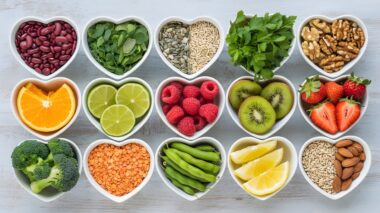
To maximize the benefits of fiber, athletes need to include specific high-fiber foods in their diets. Fresh fruits are an excellent starting point, with options like strawberries, raspberries, and pears boasting significant fiber content. Vegetables are also vital, particularly those with skins, such as potatoes, carrots, and broccoli. Whole grains should be prioritized over refined grains, with options like quinoa, brown rice, and oats offering higher fiber levels and sustained energy. Legumes, such as lentils, chickpeas, and beans, excel in providing fiber while packing a protein punch that is advantageous for recovery. Nuts and seeds like almonds, chia seeds, and flaxseeds can add healthy fats and additional fiber to meals and snacks. Smoothies made with spinach, berries, or nut butter can also ensure an extra fiber boost. It is essential to mix various food sources to maximize fiber intake effectively. Combining different fiber sources will enhance the nutrient profile of athletes’ meals, ensuring they receive vitamins, minerals, and antioxidants necessary for optimized performance and recovery. Regularly enjoying diverse, fiber-rich foods can also make meals enjoyable and help in achieving specific dietary goals.
Incorporating fiber into your meals can be seamless with thoughtful planning. Athletes can aim to gradually increase fiber intake, focusing on different food groups each week. Begin by substituting white bread for whole grain options or indulging in whole grain pasta instead of traditional varieties. These small adjustments can yield significant cumulative benefits over time. Building snacks around fiber-rich foods is another effective strategy; swap chips for air-popped popcorn or replace sugary snacks with fresh fruits or nut butter-laden rice cakes. Being mindful about meal composition is essential; ensure salads contain various vegetables, nuts, or seeds to contribute to increased fiber intake. Meal prepping can also streamline fiber consumption, organizing healthy, balanced meals ahead of time. Staying hydrated remains equally important when increasing fiber intake to prevent any possible digestive issues. Gradual increments allow adjustment periods within the body to adapt to additional fiber smoothly. Achieving the recommended fiber intake can help buffer energy levels throughout intense workouts compared to insufficiently recognized or inadequate fiber consumption. Ultimately, fiber-rich meals ensure sustained energy, longevity, and overall well-being for athletes, empowering them to meet their dynamic sport-related goals.
Hydration and Fiber Intake
Hydration interacts significantly with fiber intake, especially for athletes. Adequate fluid consumption is essential when increasing dietary fiber to prevent discomfort and maintain digestive efficiency. Fiber absorbs water in the gut, making hydration a key component for optimal digestion. When fiber-rich foods absorb water, they swell and help bulk up stool, promoting an ideal environment for smooth passage through the intestines. Athletes should aim for at least 8-10 cups of fluids daily, pairing water intake with meals and throughout the day. During intense training sessions or competitions, electrolyte-rich drinks and smoothies blended with fruits and vegetables can be an appealing option for hydration. Proper hydration can help prevent issues like bloating and constipation, which can seriously impact training and overall performance. In addition to water, consuming herbal teas or electrolyte beverages can support hydration levels. Monitoring urine color and hydration status helps determine if fluid intake meets individual needs. Focusing on hydration in conjunction with fiber consumption can lead to optimal digestive health and enhanced athletic performance. Athletes who prioritize both components together are likely to experience improved energy levels and performance consistency throughout their training cycles.
Finally, understanding individual fiber needs and adjusting intake accordingly is pivotal for athletes. Each person’s response to fiber varies based on factors such as activity level, current health status, and dietary preferences. Athletes participating in endurance sports might require more fiber to manage energy levels efficiently, while others focusing on strength training may have different micro-nutritional demands. Listening to the body and monitoring energy fluctuations will help athletes gauge their dietary requirements. Keeping a food diary for a couple of weeks can help identify fiber input and corresponding energy levels and overall performance. Additionally, working with a registered dietitian can yield valuable insights into personalized, high-fiber meal planning. This guidance can help avoid inadequate or excessive fiber intake, which could lead to digestive discomfort. Ultimately, athletes benefit from a tailored approach to fiber intake, ensuring they blend nutrition with convenience and well-being. Embracing fiber as an essential part of the diet highlights its importance within a holistic approach to athletic performance and long-term health. Long-lasting success in sports nutrition relies on effectively understanding and implementing dietary adjustments tailored to individual needs.
Conclusion
In conclusion, fiber is a highly valuable component in an athlete’s diet, facilitating digestive health and performance enhancement. Athletes should prioritize a well-rounded intake of dietary fiber from various sources, ensuring the balance of soluble and insoluble varieties. Understanding the benefits of fiber in complex digestion and nutrient absorption can significantly impact training and recovery phases. By including fruits, vegetables, whole grains, and legumes, athletes can effectively meet their fiber requirements while enjoying diverse, flavorful meals. Supporting hydration, especially when increasing fiber intake, serves as a necessary companion, promoting optimal digestion without discomfort. Developing specific strategies to incorporate fiber efficiently into meal preps and daily consumption accommodates individual needs, optimizing overall well-being. Ultimately, the importance of fiber goes beyond mere numbers; its role in sustained energy, gastrointestinal health, and long-term athletic performance establishes it as a fundamental aspect of sports nutrition. As athletes continue their pursuit of excellence, embracing fiber as an ally in their diets can contribute significantly to their success, ensuring they remain fueled, nourished, and ready to conquer their goals in their respective sports. Therefore, athletes are encouraged to explore and appreciate the profound advantages of fiber in their nutritional approach.