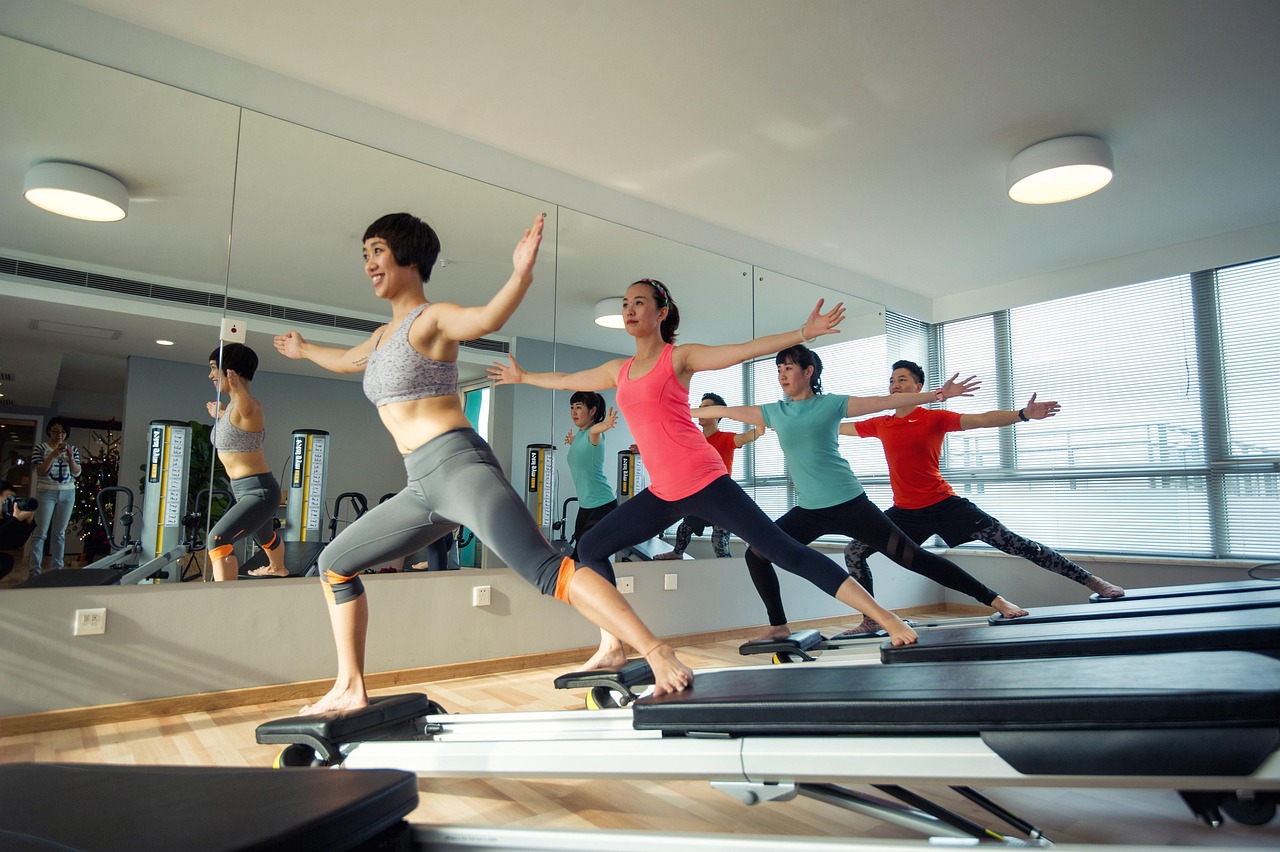

Stretching and Strengthening: Pilates for Joint Longevity
Pilates is renowned for enhancing overall body awareness and stability, which is critical in managing joint health. One of the primary benefits of practicing Pilates regularly is its focus on controlled movements and conscious breathing. This practice helps to strengthen the muscles surrounding the joints, reducing the risk of injuries and improving overall mobility. Additionally, Pilates emphasizes proper alignment, which plays a crucial role in supporting healthy joint function. Through a combination of stretching and strengthening exercises, Pilates encourages flexibility, which is essential for maintaining the range of motion in the joints. The mat and equipment used in Pilates also provide various modifications, allowing practitioners to adapt routines to meet their individual needs. Many people suffering from chronic joint pain have reported significant improvements after consistent Pilates practice. Integrating Pilates into a fitness routine can be an enjoyable way to bolster joint longevity, providing an accessible option for individuals of all fitness levels. With regular sessions, the body learns to move more efficiently, alleviating pressure on the joints. Ultimately, Pilates offers a balanced approach to fitness that promotes sustainable joint health.
The effectiveness of Pilates for joint health can significantly be attributed to its focus on core strength. The core muscles serve as the body’s foundation, providing stability and support for the spine and joints. By engaging the deep abdominal muscles, Pilates creates a solid base that enhances overall movement patterns. This alignment not only protects the joints but also promotes better posture, which is essential for individuals with chronic joint pain. Furthermore, strengthening the core can help alleviate stress on weight-bearing joints such as the knees and hips. Practitioners often find that with improved core strength, they experience greater ease in daily activities. Alongside the core, Pilates trains the surrounding muscles, such as those in the legs and arms, ensuring a holistic muscular approach to joint health. Importantly, Pilates can be modified to decrease the intensity of certain movements, making it ideal for therapeutic purposes. Many physiotherapists recommend Pilates for rehabilitation and injury prevention, as it emphasizes muscle imbalance correction. Regular practice not only helps in pain management but also enhances the functionality of the joints for long-term wellness.
The Role of Flexibility in Joint Health
Flexibility is vital in maintaining joint health and function, which is where Pilates excels. Through its various stretches and controlled movements, Pilates significantly improves flexibility, thus minimizing the risk of joint injuries. Stretching elongates muscles and increases blood flow, promoting healing in and around the joints. This is particularly beneficial for individuals managing chronic diseases, as flexible joints can adapt to movements without straining. The gentle stretching incorporated in Pilates routines can help alleviate stiffness that often accompanies certain chronic conditions, such as arthritis. By targeting specific muscle groups, Pilates allows practitioners to enhance their flexibility in a systematic way. Additionally, improved flexibility facilitates better alignment during exercises, further reducing undue stress on the joints. As flexibility increases, individuals often experience improvements in their overall range of motion. Studies suggest that a regular Pilates regimen can lead to increased mobility, enabling individuals to perform daily tasks with greater ease. Thus, the integration of flexibility training through Pilates is essential for those aiming for long-lasting joint health and agility.
In addition to flexibility, Pilates supports joint health through its focus on balance and coordination. These two aspects are essential in preventing falls and joint injuries, particularly among older adults. Balance training incorporated in Pilates helps strengthen stabilizing muscles that support fine motor control and spatial awareness. Improving coordination and balance can lead to greater confidence in everyday movements, reducing the fear of falling. Many individuals with joint problems often have an altered gait or movement patterns due to pain; Pilates helps retrain those patterns. This retraining process enhances proprioception, which is the body’s ability to sense movement and position. Enhanced proprioception facilitates efficient movements that lessen strain on the joints, resulting in less discomfort during daily activities. Furthermore, Pilates movement sequences encourage engagement of multiple muscle groups simultaneously, reinforcing a sense of stability. This multitasking aspect not only builds strength but also challenges one’s balance. Practicing Pilates routinely can lead to better performance in sports and recreational activities, directly benefiting joint longevity. Over time, participants can expect to see improvements in both balance and coordination, contributing to overall physical wellness.
The Psychological Benefits of Pilates
Engaging in Pilates not only benefits physical joint health but also brings several psychological benefits. Mind-body awareness is a critical focus of Pilates, encouraging practitioners to develop a deeper consciousness of their bodies. This awareness can lead to reduced stress levels and enhanced focus during practice. Many individuals suffering from chronic joint conditions may experience emotional distress, and Pilates offers a comforting outlet. The rhythmic nature of Pilates integrates mindful breathing and movement, promoting relaxation and present-moment awareness. This combination helps to dissipate tension, which can benefit those struggling with anxiety linked to chronic pain. Practcing mindfulness through Pilates often translates into other lifestyle areas, helping individuals foster better coping mechanisms for stress. Additionally, connecting the mind and body creates a supportive environment that encourages commitment to ongoing exercise. By enhancing one’s connection to their physical body, Pilates fosters a positive mindset regarding fitness and healthy living. Regular sessions can improve self-esteem, instilling a sense of achievement as progress is made. The cumulative effect is a healthier attitude towards both physical activity and joint health.
As a low-impact form of exercise, Pilates is an excellent choice for individuals of all ages and fitness levels, especially those with joint issues. This makes it particularly appealing for seniors or individuals recovering from injuries, as it minimizes the risk of further strain. Unlike high-impact activities, Pilates provides a safe space for movement without excessive joint stress. Each exercise is designed to develop strength while maintaining awareness of comfort levels. With guidance from certified Pilates instructors, practitioners can confidently explore their limitations and abilities. Furthermore, the adaptability of Pilates allows participants to tailor their experience based on personal needs and fitness goals. Different apparatus, such as the reformer and Cadillac, provide additional support and resistance, enabling enhanced personal progress. This personalized approach to joint exercise makes Pilates a unique offering within the spectrum of fitness options. Many participants find joy in their Pilates journey, as they gradually achieve greater levels of strength, flexibility, and endurance. Considering the benefits for joint health, it is clear that integrating Pilates into a regular fitness regimen is a wise choice for longevity.
Integrating Pilates into Your Routine
When starting Pilates for joint health, consistency is key to experiencing substantial benefits. Setting achievable goals and committing to a regular schedule can foster long-term success. Many practitioners find that attending classes led by qualified instructors creates accountability and ensures proper technique execution. Online classes have also gained popularity, making Pilates more accessible for everyone, regardless of geographic location. To complement Pilates, integrating additional forms of low-impact cardiovascular exercise can further enhance joint health. Activities such as swimming, walking, or cycling can improve circulation and overall fitness, supporting the body’s ability to benefit from Pilates. Furthermore, combining Pilates with proper nutrition will aid in the recovery and strength of muscles that support the joints. Staying hydrated is also essential for overall joint health, as it helps maintain the synovial fluid that lubricates the joints. Listening to one’s body throughout this journey is crucial; it is important to understand when to challenge limits and when to rest. Ultimately, aligning Pilates practice with an overall healthy lifestyle promotes joint longevity and fosters a sustainable commitment to fitness.
In conclusion, Pilates presents a holistic approach to enhancing joint health through a blend of strengthening, stretching, balance, and coordination. Its unique focus on mind-body connection also brings psychological benefits for those grappling with chronic pain. By engaging core muscles and increasing flexibility, Pilates not only mitigates injury risk but also develops effective coping strategies for managing discomfort. Integrating this practice into one’s daily routine can lead to significant improvements in overall quality of life. Individuals from various backgrounds and fitness levels can successfully implement Pilates into their lives due to its adaptability and low-impact nature. Through consistency, commitment, and mindful practice, many practitioners have experienced profound changes in their bodies, helping them lead healthier, more active lives. The journey towards joint longevity begins with understanding the value of Pilates as a form of exercise that extends beyond the physical realm. As individuals embrace this practice for better joint health, they often discover a renewed sense of vitality within themselves. By prioritizing fitness in combination with mindful awareness, it becomes possible to achieve lasting joint longevity. Over time, dedicated Pilates practitioners can enjoy not only improved mobility but also a more positive outlook on life.