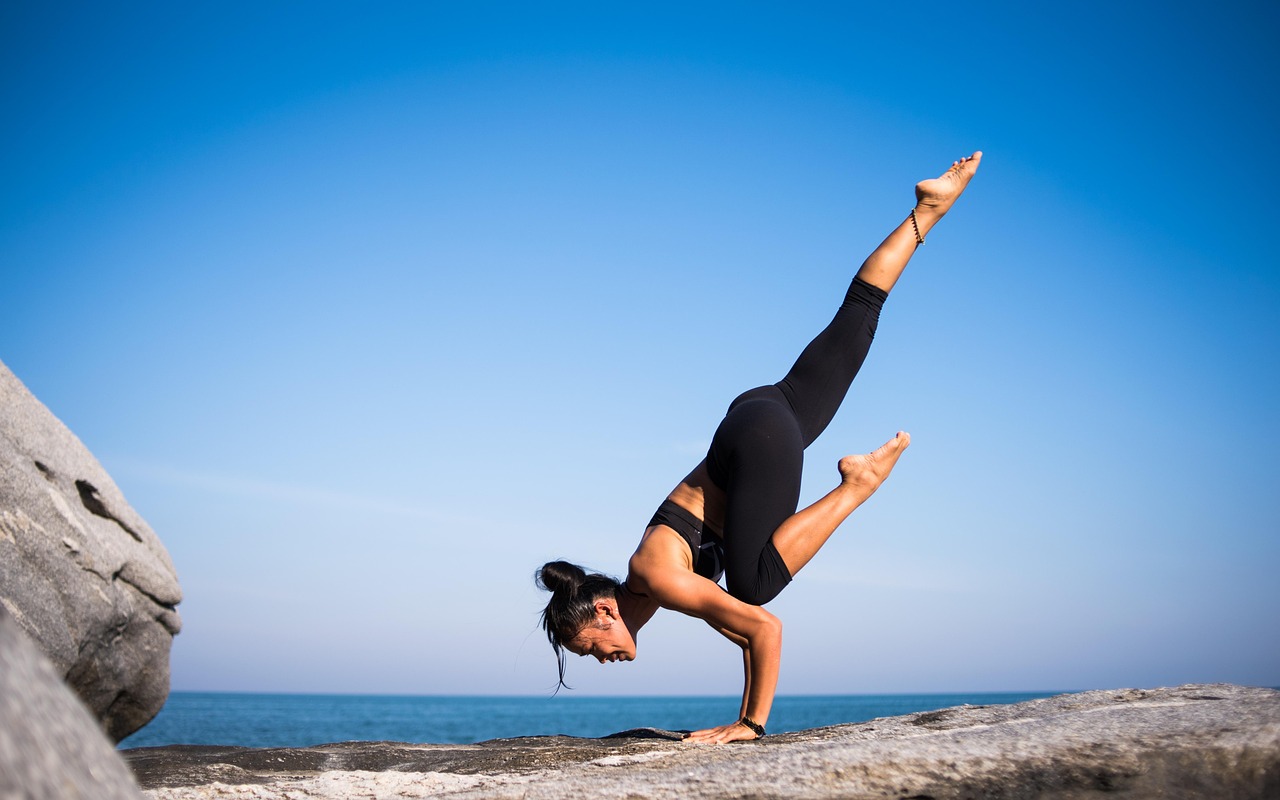

Signs You’re Ready to Start Flexibility Training After Delivery
Postpartum flexibility training is essential for new mothers who want to regain strength and mobility after delivery. It’s crucial to listen to your body while navigating the recovery journey. Some signs indicate you might be ready to begin this crucial training regimen. Firstly, if you notice a significant decrease in pain or discomfort from your delivery, it may be a green light. Your ability to perform daily tasks without excessive fatigue is another essential indicator. This includes activities like moving around your home or caring for your baby. Moreover, if you’re getting enough sleep, even in short bursts, your body may be ready for light stretching and flexibility routines. Consult with your healthcare provider to understand any specific precautions based on your individual recovery. You should also feel mentally prepared to prioritize your physical health. Staying hydrated and maintaining a nutritious diet can further signal readiness. Lastly, a supportive environment, such as friends or family offering to help watch your baby while you exercise, can encourage you to commit to your flexibility training journey.
Another vital sign that you might be ready for postpartum flexibility training is your willingness to engage in it. Feeling motivated can really transform your mindset toward recovery and fitness. If you find yourself craving movement, it’s a signal that your body is ready to transition from recovery to activity. Another indicator is your ability to perform basic stretching without experiencing any pain. This can include simple moves like reaching for your toes or gentle side bends. If these motions are manageable, they hint that you can proceed with more structured flexibility training. It’s important to check in with your emotional state as well; feeling positive and energized significantly contributes to your overall readiness. Also, consider how well you’ve been managing stress after your delivery. Lower levels of stress can enhance your resilience and make it easier to start an exercise routine. Once you identify these signs, it is time to consider incorporating postpartum flexibility exercises that suit your level of recovery. It’s advisable to initiate gradual stretching routines, focusing on the body areas that experienced discomfort during pregnancy and labor.
Physical and Mental Readiness for Flexibility
As your physical and mental well-being improves, you may find many opportunities to enhance your flexibility. If you’ve started regaining core stability and strength, it’s a positive sign that you’re ready to build more flexibility. Moreover, being able to engage in gentle, restorative yoga or simple stretches can show you’re on the right path. When you can complete these exercises without any adverse reaction from your body, it may well be time to amplify your flexibility training activities. It’s essential to set realistic goals for your flexibility journey as well. Understanding that recovery is gradual can motivate you to stay on track. If you find you can hold stretches for longer durations, it’s a clear indication that your body is improving. Monitoring your improvements can keep you motivated as you embark on this new chapter. You should also recognize that every mother’s postpartum experience is unique, and there’s no rush. Allow your body to guide you through the process of increasing flexibility safely and effectively. Incorporate mindfulness into your training routine to forge a stronger connection with your body.
The engagement of your lower back muscles during recovery can also indicate that you’re ready to include flexibility training. Many mothers experience tightness in this area, but once you can move comfortably, it may signal that your body is prepared for more extensive work. During your postpartum healing, try to maintain a gentle routine, focusing on gradual stretching to promote flexibility. If you can maintain a consistent routine without significant discomfort, you might be affirming your readiness for more intensive activities. Additionally, being aware of your postpartum body helps you understand its responses during workouts. Being consultative with a professional trainer can offer you tailored exercises targeting specific areas. Understanding your boundaries while challenging yourself appropriately is crucial. This careful balance can facilitate recovery and improve flexibility over time. Documenting your progress not only provides motivation but also helps you gauge how your body is adapting to the exercises. Remember that the goal of postpartum flexibility training is not only about enhancing physical performance but also about reconnecting with your body and nurturing your overall well-being.
Support System and Resources
To effectively start your flexibility training after delivery, having a supportive network can prove invaluable. Seek advice from other mothers or professionals who have experience with postpartum recovery. This collective expertise can provide you with helpful tips and resources for your flexibility journey. Online forums or local postpartum classes can also connect you with individuals who share similar experiences. Communicating openly with your family members about your needs can create an encouraging environment as well. Their support can free you to dedicate time and energy to your fitness goals. Consider visiting a physiotherapist with experience in postpartum recovery, who can develop a personalized flexibility training plan. These professionals can guide you through safe exercises tailored to your recovery stage. Furthermore, exploring online platforms and videos designed for postpartum fitness can give you a solid foundation for your training. As you research, pay close attention to user feedback and recommendations. Guaranteed quality resources can tremendously impact your fitness journey, helping to foster a deeper understanding of what your body needs.
Finally, understanding the right approach to postpartum flexibility training is critical to your recovery process. Ensure you incorporate various types of stretches that target all muscle groups. This not only promotes balance but also helps facilitate overall well-being. You might consider beginning with gentle stretches, gradually progressing to more active flexibility moves as your body becomes comfortable. Emphasize breathing techniques that accompany your movements; this connection strengthens mind-body awareness during training. Evaluating how your body responds to different stretches is essential, as some may feel more beneficial than others. Keep a journal to track your flexibility progress, as well as your emotional feedback during training. This evaluation process can help refine your routines to better suit your evolving needs. Additionally, allow yourself the grace to rest when required; integrating recovery days into your routine ensures sustained progress. Flexibility training should not feel overwhelming. It’s a personal journey that respects your body’s unique timeline and demands. Embrace every milestone along the way, cherishing each step that leads you to improved flexibility and strength post-delivery.
To conclude, recognizing the signs that you’ve prepared for postpartum flexibility training is vital. Your physical and mental readiness signals are crucial for committing to a training regimen. Emphasizing the importance of listening to your body can empower your recovery journey. Always remember that postpartum recovery isn’t linear; your experience will vary day by day. Consult healthcare professionals to provide insights specific to your condition, aiding your flexibility training. Best practices include patience and consistency, allowing your body the time it needs to heal and adapt. Don’t hesitate to reach out to fellow mothers or professionals who can offer support and encouragement. With the right guidance and mindset, flexibility training can positively impact your overall postpartum experience. Focus on achievable goals and milestones to foster motivation and enthusiasm along the way. Share your experiences and encourage other mothers to join your postpartum fitness journey, building a community of support and empowerment. Your commitment to flexibility training is not just for fitness but also enhances emotional and physical resilience, contributing to your overall well-being as a new mother.