
Seasonal Shifts and Their Impact on Balance Training
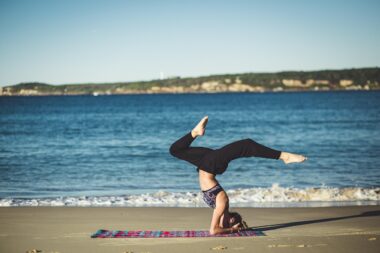
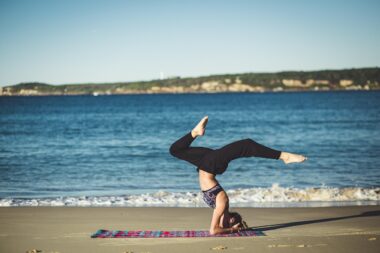
During seasonal shifts, especially between autumn and winter, it’s crucial to adjust your fitness routine to prioritize balance training. Cooler temperatures and changing environments can significantly affect your physical performance. As outdoor conditions become slippery or less predictable, the need for enhanced stability becomes ever more critical. To tackle these challenges, you can incorporate specific exercises aimed at improving your balance. For instance, single-leg stands, yoga, and stability ball workouts can help. Additionally, engaging in outdoor activities that promote balance, such as hiking on uneven terrains, not only builds strength but also adds a fun element to your workouts. Consider including resistance bands in your training regimen for added difficulty. These bands can simulate unpredictable movements similar to what you’d face outdoors. Regular practice of balance techniques will enhance not just physical strength, but also mental focus. Remember, while the weather changes, your exercise routine should change too. Plan for these seasonal adjustments to ensure that you stay fit and safe through the colder months, enhancing stability and reducing injury risks.
As winter approaches, various sports and recreational activities come into play. Engaging in sports that emphasize balance is particularly beneficial. Activities such as skiing, ice skating, and even snowshoeing require superior balance skills. These sports not only provide an enjoyable way to stay active but also serve as excellent training for your balance and coordination. Engaging in these activities forces your body to adapt to shifting weights and uneven surfaces. This adaptability leads to greater stability in daily life. Moreover, it helps in reinforcing neuromuscular connections. When you’re out skiing, for instance, you’re constantly adjusting your body position to maintain equilibrium. Thus, it becomes vital to incorporate similar workouts into your routine to prepare. Consider dedicating weekends to these sports if winter weather permits. If you’re limited by local conditions, gym exercises emphasizing core and lower body strength will assist too. Keeping your body active through balance-centered practices enables you to enjoy seasonal festivities without injury. Embrace winter sports; allow them to elevate your overall fitness level while keeping stability training enjoyable.
In spring and summer, the opportunity for outdoor balance training expands significantly. The milder weather allows for longer workout sessions, making outdoor workouts appealing. Incorporating workouts like Tai Chi or parkour not only challenges your balance but also provides a refreshing change of scenery. Practicing Tai Chi in a park can lead to better focus and stability due to its slow, deliberate movements. Alternatively, parkour incorporates dynamic movements, helping with coordination and spatial awareness. Engage friends in your outdoor pursuits for a supportive atmosphere. Group fitness sessions can instill motivation and competitiveness, driving everyone to improve their balance skills. If you prefer solo workouts, nature walks on uneven paths can stimulate the body’s balance senses. As you encounter different terrains, you’re tasked with adjusting your position accordingly. Remember to challenge yourself progressively; it’s essential to increase intensity and complexity. Use balance boards or stability discs in your home routine to further enhance your capabilities. Both spring and summer offer perfect conditions for keeping active while developing critical balance skills without any hindrance.
The Importance of Core Strength
Throughout all seasons, core strength plays a pivotal role in enhancing balance. Your core stabilizes your body during almost every movement, so bolstering it can lead to better overall stability. Incorporating core-targeting exercises into your routine is vital for improving balance effectively. Movements like planks, Russian twists, and bicycle crunches engage your core deeply. Thus, creating a strong foundation will provide a solid basis for further balance training. Aim for two to three core-strengthening sessions each week, ensuring you maintain a routine. While working on your core, consider implementing functional exercises that mimic daily activities. This practice ensures that your improvements in strength and stability translate seamlessly into everyday life. Furthermore, utilizing medicine balls can elevate the difficulty level, promoting more advanced stability training. Enhance engagement by focusing on your breathing techniques during these workouts. Proper breath control not only increases exercise effectiveness but also helps maintain focus, which is essential for balance training. Continually assess your progress in these workouts, as improvement will naturally translate to increased balance capabilities across various activities and situations.
In addition to physical balance training, mental balance is equally important. Understanding the psychological aspect of balance, especially during seasonal changes, can significantly contribute to overall stability. Mental focus, concentration, and the ability to adapt to training environments all contribute to successful balance exercises. Consider incorporating mindfulness and meditation practices into your fitness routine to improve your mental resilience. These practices help clear the mind and enhance focus during workouts. You can also try visualization techniques, which enable you to ‘see’ your body balancing effectively before executing the movements. This mental imagery can foster confidence, which manifests in physical performance. When faced with challenges, mentally prepared individuals tend to adapt more swiftly and effectively. Create a positive mental environment by surrounding yourself with supportive individuals who encourage your fitness journey. Moreover, maintaining a consistent routine is essential for mental balance as well. Ensure that your workouts align with your goals, providing a sense of achievement and motivation. Evaluate your mental performance periodically to identify areas for growth, allowing you to develop a holistic approach to both mental and physical balance effectively.
Adapting Workouts for Seasonal Changes
Adapting your workout routine throughout the seasons is key to achieving optimal balance training results. Each season comes with its distinct challenges that can detract from your balance. For instance, during the fall, wet leaves and early evening darkness call for adjustments in outdoor activities. As temperatures fluctuate, the body must adapt too. Opt for indoor balance training when crucial outdoor conditions arise. Utilizing gym equipment like Bosu balls and balance boards can simulate unstable surfaces. Implement circuit training that incorporates strength, cardiovascular, and balance exercises to maximize workout efficacy. Keep your workouts diversified to avoid monotony, keeping your motivation alive. As seasons change, evaluate your fitness goals and adjust your program accordingly. Make seasonal check-ins part of your routine which can provide insights into your progress and areas needing attention. Encourage flexibility in your training schedule to accommodate for the unexpected challenges nature may bring. By staying proactive and adaptable, you’ll be more capable of tackling shifts in your workout environment. Control your fitness destiny through these adjustments, maintaining stability and balance in all weather conditions.
Finally, you should also consider nutrition as part of your balance training plan. Each season brings different food options ripe for the picking, which can enhance your fitness regime. Choosing seasonal fruits and vegetables not only keeps your diet vibrant but also contributes essential vitamins and minerals that support an active lifestyle. Pay particular attention to nutrient-dense foods rich in antioxidants that promote recovery from workouts. For instance, incorporating foods like leafy greens, berries, and seasonal produce into your meals can provide necessary support for muscle repair. Moreover, hydration levels should be monitored closely, especially during Summer training sessions. Proper hydration plays an integral role in maintaining physical balance, as dehydration induces fatigue and can compromise stability. In winter, be mindful of warmth in your meals, such as soups and stews, which can provide necessary comfort and nutrition. Ensuring balanced macros throughout the year enables optimal performance and steady improvements. Coupling good nutrition with balanced workouts will create a comprehensive plan to ensure you remain fit and stable in any season.