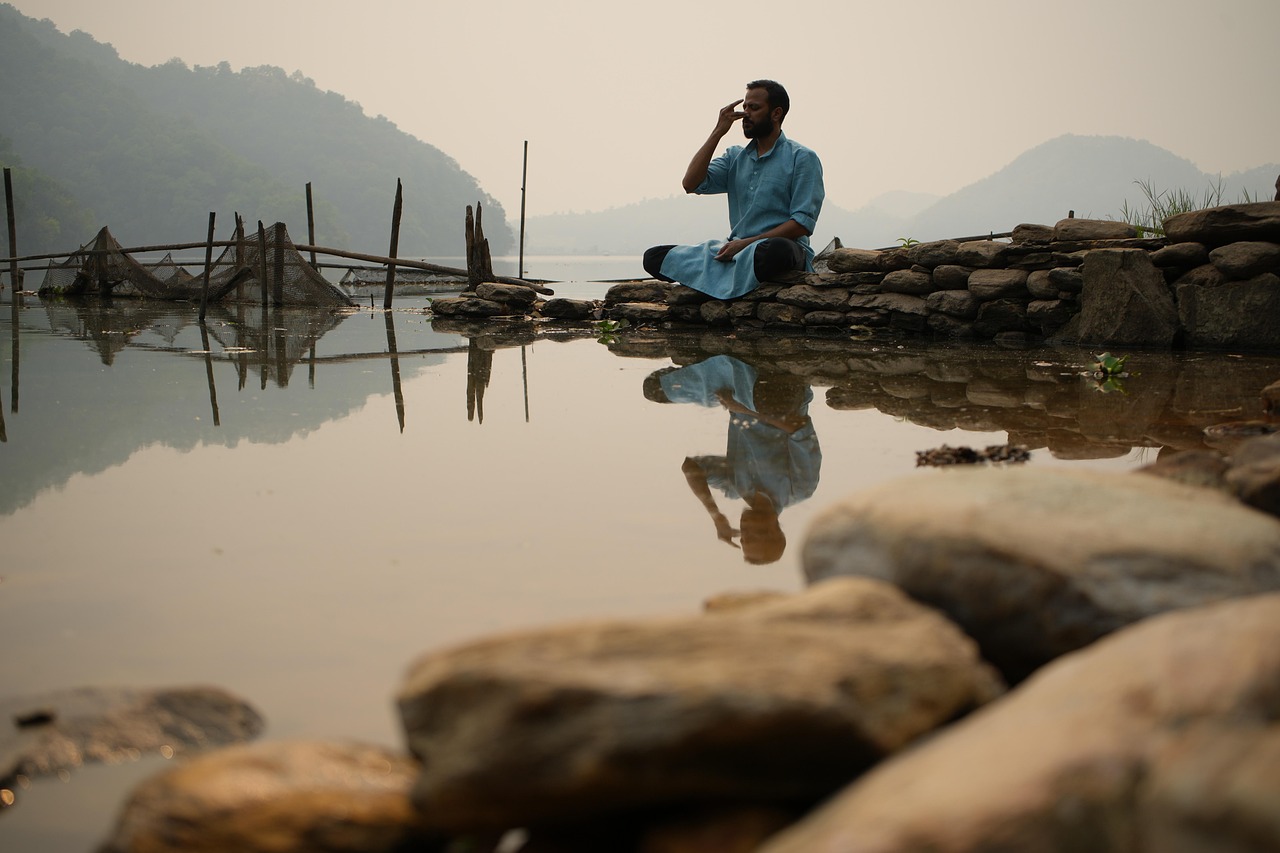

Pranayama for Athletes: Enhancing Performance and Recovery
In the realm of competitive sports, athletes constantly seek ways to enhance their performance. Incorporating Pranayama breathing techniques can yield significant benefits, transforming not just physical capabilities but also mental clarity. Pranayama, a practice rooted in ancient yoga traditions, emphasizes controlled breathwork, allowing athletes to manage their breath during intense physical activities. The various techniques within Pranayama, such as Nadi Shodhana or alternate nostril breathing, help in promoting optimal oxygen flow. This methodical approach to breathing directly influences stamina and endurance, often leading to improved performance outcomes. Moreover, engaging with Pranayama can create a sense of calm, especially beneficial before competitions. By reducing anxiety, athletes often perform with more focus and confidence. Lastly, recovery is equally critical, and correct breathing helps in faster recovery time by reducing lactic acid build-up in muscles. Overall, the integration of Pranayama not only revitalizes performance but also nurtures an athlete’s holistic well-being, fostering a continuous cycle of improvement and recovery. Embracing these techniques can pave the way for athletes seeking excellence and balance.
Understanding the Basics of Pranayama
Before diving into the different Pranayama techniques, it’s vital for athletes to understand the fundamental principles guiding this practice. Pranayama means regulation of breath, where ‘Prana’ represents the vital life force and ‘Yama’ signifies control. Through conscious breathing, athletes can tap into their energy reserves, essential during training and competitions. A foundational technique is Ujjayi breath, which creates a soothing sound. This technique promotes concentration while simultaneously allowing for deeper inhalation and exhalation. Another popular method, Kapalabhati, focuses on short bursts of exhalation followed by passive inhalation, invigorating the body quickly. Athletes often use Kapalabhati to energize themselves before rigorous workouts. Furthermore, Bhujangasana, or cobra pose, often accompanies Pranayama to enhance lung capacity and flexibility. Athletes must practice these techniques consistently to experience maximum benefits. Understanding these basics provides athletes with the tools to incorporate Pranayama into their routines effectively, leading to superior results in performance and recovery. Consistent practice begins transforming both physical endurance and mental fortitude, key aspects needed in competitive sports.
When athletes integrate Pranayama into their workout routines, the physiological effects can be profound. Regular practice enhances lung capacity, which ultimately augments oxygen delivery to muscles during strenuous activity. More oxygen means better energy levels and performance, allowing athletes to push beyond their limits. Increased lung capacity through specific Pranayama exercises also means higher VO2 max levels, an essential determinant of aerobic endurance. Enhanced energy levels contribute significantly to endurance sports, resulting in improved training outcomes. Furthermore, a consistent breathing practice aids in stress reduction and promotes mental clarity. Athletes often face performance anxiety, leading to suboptimal execution during competitions. Pranayama counteracts these challenges by fostering a calm and focused mind, enabling athletes to channel their energy positively. Breathing techniques also balance the autonomic nervous system, alleviating symptoms of stress and anxiety. Additionally, consistent practice aids in injury prevention, allowing athletes to maintain focus, thus reducing injuries caused by distractions. The overall balance of physical and mental well-being garnered through Pranayama fosters resilience, creating athletes who are not only physically prepared but also mentally strong.
Pranayama Techniques for Endurance Athletes
Endurance athletes, whether cyclists or runners, can particularly benefit from tailored Pranayama techniques. Techniques such as Dirgha Pranayama, or three-part breathing, emphasize filling the lungs completely, enhancing oxygen absorption. By using this technique, athletes learn to unify chest, diaphragm, and abdominal breathing, leading to optimal airflow during prolonged exertion. Performing Dirgha Pranayama during warm-ups can enhance lung function and prepare the body for physical challenges ahead. Similarly, rhythmic breathing techniques, where athletes synchronize their breath with their movements, can increase performance efficiency. Implementing breathing patterns that match running or cycling pace helps maintain stability and reduces fatigue. For those in high-altitude sports, practicing Kapibigan improves the lung’s capacity to utilize oxygen effectively, crucial for success. These Pranayama practices strengthen the respiratory muscles and enhance stamina, enabling athletes to sustain energy levels over longer distances. Thus, the adaptation of specific techniques to support endurance activities has become increasingly recognized as a critical component of training regimens, significantly impacting performance improvements and overall athletic prowess.
In addition to performance, recovery is another crucial aspect where Pranayama plays an essential role. After intense workouts, the body often experiences muscle fatigue and lactic acid build-up. Practicing Shitali and Shitkari creates a cooling effect within the body, helping restore energy levels and facilitating a more relaxed state. These techniques promote effective recovery by balancing body temperature post-exercise, reducing inflammation, and accelerating the recovery process significantly. Coupled with proper hydration and nutrition, Pranayama can greatly speed up muscle recovery. Furthermore, practicing Chandra Bhedana, or left nostril breathing, promotes relaxation and better sleep quality. Deep, slow breathing induces a state of calm, essential for mental recovery after high-stress competition days. Additionally, athletes who incorporate Pranayama into their cooldown routines report improved sleep patterns and deeper rest periods, resulting in higher energy levels for future training sessions. With just a few minutes dedicated to mindful breathing post-exercise, athletes can optimize their recovery time, ensuring they bounce back more robustly for their next training session or event.
The Role of Mindfulness in Pranayama
The effectiveness of Pranayama techniques is amplified when combined with mindfulness practices. Athletes are constantly required to maintain focus during competitions and workouts; hence, cultivating mindfulness improves their overall performance. Mindfulness involves being present and fully engaged in the moment without distractions. By incorporating mindfulness into their Pranayama practice, athletes can heighten their awareness of breath and body, aligning their mental state with physical activity. It helps reduce occurrences of distractions and enhances concentration, promoting a state of flow during performances. Mindfulness-based Pranayama techniques, such as focusing on breath sensations, can positively influence mental health by reducing anxiety and improving emotional stability. Through mindful breathing, athletes experience increased resilience in facing competitive pressures. Furthermore, a mindful approach helps in understanding body signals effectively, alerting athletes to fatigue and the need for recovery. This practice cultivates a higher sensitivity to physical and emotional cues, empowering athletes to modify their training regimens intelligently. Over time, integrating mindfulness with Pranayama cultivates a balanced mental approach essential for sustained athletic performance and personal well-being.
To effectively incorporate Pranayama into an athlete’s routine, consistency is vital. Establishing a daily practice, even if only for a few minutes, enables athletes to reap significant benefits. Setting aside time for breathing exercises should be as essential as physical training. Athletes might start their day with morning Pranayama sessions to set a focused tone. Additionally, pre-workout and post-workout breathing exercises can enhance performance and aid recovery, respectively. Using guided apps or videos can provide structure and motivation, helping athletes explore different techniques effectively. Experimenting with various methods allows them to discover what resonates best personally. By creating a calming space devoid of distractions, athletes can enhance their experience and foster deeper connections with their breath. Keeping a journal can also help track progress and reflect on experiences. Over time, athletes will observe changes in their performance and recovery times. Consistent commitment to Pranayama practices enables athletes to develop a stronger connection with their bodies, reinforcing the significance of mindfulness and breathwork as an integral part of their training regimen. This holistic approach fosters a sense of empowerment, laying the foundation for enduring athletic success.
Conclusion: The Future of Pranayama in Sports
The future of Pranayama in sports looks promising as athletes continue to adopt holistic approaches to enhance their performance. As research unveils the physiological benefits of controlled breathing, more coaches and trainers are integrating Pranayama into training routines. This shift towards incorporating ancient wisdom with modern athletic practices provides athletes with a profound understanding of their bodies. Increased awareness of respiratory mechanics alongside improved mental health through mindfulness creates a well-rounded athlete. Furthermore, the potential for Pranayama to foster team dynamics also deserves mention. Group breathing exercises can create unity among team members, enhancing collaboration and shared focus on goals. Future sports programs may conduct workshops emphasizing breathwork, leading to overall better performance among athletes. Collaborations between sports professionals and yoga practitioners could yield innovative training methodologies maximizing athletic potential. As athletes continue to strive for excellence, Pranayama stands out as a practical tool for success. Embracing this ancient craft can forge pathways toward new achievements, ensuring athletes maintain physical prowess and mental resilience. Ultimately, the journey of athletes reaps benefits beyond accolades, cultivating a lifelong commitment to well-being through the practice of breathing.