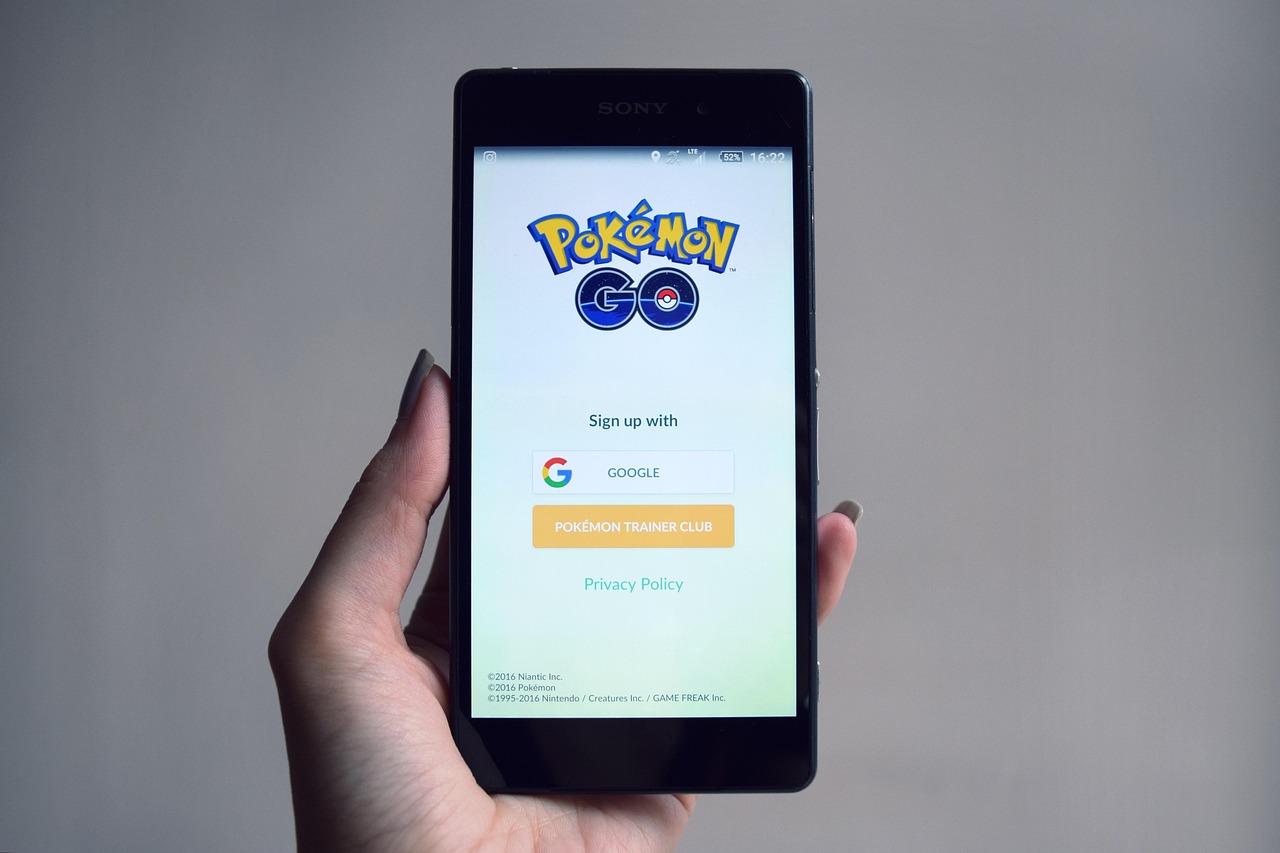

Mobile Games That Encourage Healthy Eating Habits
In recent years, mobile games have evolved into effective platforms promoting healthy eating habits. These games leverage engaging gameplay, colorful graphics, and interactive content to educate players about nutrition in a fun way. Players are encouraged to familiarize themselves with various food groups and learn to make healthier choices through rewarding experiences in these virtual environments. Game developers integrate educational content into quests and challenges, helping players discover the importance of balanced diets. Additionally, mobile games often feature various components like meal planning and recipe creation, providing practical knowledge for real-life applications. Integrating technology into nutrition education not only fosters a healthier relationship with food but also empowers users to make informed decisions about their eating habits. As mobile gaming continues to flourish, developers are designing innovative experiences that encourage active participation in healthy eating. Some examples include collaborative challenges, where players help characters consume nutritious foods and avoid unhealthy options. This interaction helps reinforce the message of moderation and informed choices. Ultimately, these engaging games stand at the intersection of education, fun, and technology, paving the way for healthier generations.
These gaming experiences foster an interactive learning environment. Most importantly, they also provide a sense of community among players. Multiplier games challenge participants to achieve specific nutrition goals within set time frames. These challenges create a supportive and competitive atmosphere, motivating players to choose healthier foods. Additionally, some games incorporate real-world challenges, encouraging participants to apply what they’d learned in their daily lives. For example, games can prompt users to track their fruit and vegetable intake, creating a link between virtual accomplishments and real-world changes. Rewards systems within these games further incentivize players, allowing them to unlock special features or bonus levels upon achieving health-related milestones. This gamification of nutrition serves to enhance user engagement, ultimately leading to more significant lifestyle changes. Players become more aware of their food choices and the impact these choices have on their overall wellness. The appealing graphics and stimulating gameplay sustain user interest. In this way, technology inspires healthier habits and progressive shifts within one’s diet. As mobile gaming evolves, it will continue to play an essential role in the nutritional education sphere, demonstrating that learning and fun can successfully coexist.
The Role of Gamification in Nutrition
Gamification has become a key aspect of how mobile games engage users in their health journeys. Players often enjoy collecting points, completing missions, and earning rewards, which can transform mundane nutritional information into an interactive experience. By presenting food choices and dietary guidelines in entertaining formats, players find themselves eager to learn more about nutrition. Quests may require users to identify different food groups or create balanced meals, reinforcing knowledge retention as they progress. Gamification not only makes learning about nutrition enjoyable but also enhances motivation to apply these lessons in real life. Players can track their progress over time, encouraging them to build lasting habits. Additionally, many games feature social components, allowing players to connect with friends and share their achievements. This sense of community can be crucial in maintaining motivation since social support has been shown to influence dietary habits. By indulging in challenges together, players inspire one another to strive for healthier choices. Gamification through mobile games provides a unique approach to nutrition learning and habit formation, highlighting the potential benefits of integrating technology into health education.
Furthermore, successful mobile games often partner with nutritionists and health experts to ensure that their content is both engaging and factual. This collaboration is essential in creating a reliable source of information for players. When players encounter content that is developed by professionals, they are more likely to trust the nutritional advice provided. Health professionals assist game developers in curating relevant challenges that aim to address common dietary pitfalls. For instance, games can present mindful eating exercises that encourage players to slow down and appreciate their meals. This approach has been shown to improve overall dietary habits, helping players make conscious decisions about their food intake. Moreover, these partnerships can lead to outside resources such as webinars or blogs linked within the game for additional support and education on nutrition topics. Players are thereby encouraged to explore their health beyond the gaming interface. Ultimately, cooperation between gaming companies and nutrition experts strengthens the educational framework of these games. This synergy enhances the overall effectiveness of mobile games as tools to promote healthy eating habits.
Popular Mobile Games That Promote Healthy Eating
Several mobile games have successfully merged fun gameplay with healthy eating education. A notable example is “Food Rush,” an engaging game that challenges players to prepare nutritious meals while dodging junk food. Players learn about portion sizes, ingredients, and the benefits of healthy eating through the fun challenges and levels they complete. Another well-known title is “Nutrition Quest,” which focuses on teaching players about the food groups and balanced diets through exciting missions and colorful characters. It emphasizes vegetables and fruits in fun ways, making the game’s lessons memorable. Additionally, many apps incorporate augmented reality features that transform healthy eating education into an immersive experience. These games enable players to visualize their food choices and experiment with ingredient combinations. By gamifying healthy eating, developers empower players to broaden their nutritional knowledge while enjoying the process. As gamers advance through various levels, they become more comfortable making healthier decisions. The successful integration of entertainment, education, and health fosters positive experiences with nutrition that extend beyond the game itself. Ultimately, these examples demonstrate the potential for mobile games to change eating behaviors in fun and engaging ways.
Moreover, these mobile games provide lasting benefits by connecting players with additional health resources. Many games feature links to articles, recipes, and meal plans curated by dietitians and health coaches for players seeking guidance beyond gameplay. As players engage with the content, they begin to form healthier connections with food, fostering overall wellness. These resources help implement lessons from the games into everyday life, increasing the likelihood of positive dietary changes. Furthermore, the games’ visual design and motivation-driven gameplay keep users coming back. This repeat engagement reinforces their learning over time and encourages consistency in healthy choices. Players’ ability to track their progress builds accountability, as they see the results of their effort reflected in their gaming journey. The ongoing interaction with nutrition and health fosters lasting habit-building within the players themselves. They find themselves more knowledgeable and aware of their diets, leading to sustainable changes in their eating patterns. By incorporating evidence-based resources and consistent tracking features, mobile games play a vital role in promoting healthy eating habits that last beyond the screens.
The Future of Nutrition in Mobile Gaming
The future of mobile gaming within nutrition is bright, as technology continues to advance and innovate. As wearable technology becomes more accessible, it is likely that mobile games will integrate fitness tracking alongside nutrition education. This combination will create a more comprehensive health management experience for players. Being able to monitor daily activity while gaining insights into dietary choices will empower individuals to take full control of their health journeys. Moreover, artificial intelligence could progressively personalize gaming experiences, tailoring challenges and learning modules according to users’ lifestyles and dietary needs. This type of customization could enhance engagement and effectiveness. As the conversation around health reaches new heights, more game developers will likely venture into the nutrition space. This influx of creativity will undoubtedly lead to even more captivating games that merge entertainment and education. The constant evolution in gaming technology facilitates creative approaches to capture audiences’ attention, keeping them informed about nutritious practices. As health and wellness become increasingly intertwined with technology, mobile games will be an essential component in shaping future generations’ relationships with food, guiding them towards healthier choices effectively.
In conclusion, the intersection of technology and nutrition through mobile games creates a fascinating and impactful approach to encouraging healthy eating habits. Through gamification, interactive experiences, and collaboration with health experts, players have the opportunity to learn while having fun. The engaging dynamics of these games motivate individuals to discover healthier food choices and stay consistent in applying their newfound knowledge. Popular titles have set the precedent for future innovations in the digital nutrition landscape, demonstrating that education can be inherently entertaining. As the field continues to evolve, the potential for mobile games to transform how we perceive food and nutrition remains boundless. Moving forward, embracing the digitalization of healthy eating can serve as a cornerstone for promoting overall wellness. Therefore, it is crucial to support the development of quality games. These should promote accurate information while maintaining entertainment value. By doing so, developers can contribute to healthier communities, positively influencing dietary habits and lifestyle changes. Players worldwide will benefit from learning about the importance of nutrition in a fun manner. Ultimately, mobile games are not just a form of entertainment; they play a formative role in cultivating a healthier world.