
Hydration Monitoring for Athletes: Best Practices and Tools
Monitoring hydration is vital for athletes to maintain peak performance during training and competitions. Data-driven decisions can help optimize hydration strategies tailored to individual needs. Among the hydration monitoring methods available, there are various tools and techniques that can be used. Athletes can choose from methods like urine specific gravity tests, color charts, hydration sensors, and wearable technology. Each method has its advantages, providing varying levels of accuracy. For example, hydration sensors offer real-time feedback, while urine tests give a snapshot of hydration status after consumption. Athletes need to be aware of their sweat rates to determine fluid loss during activities. Understanding how much fluid replacement is necessary helps in developing a personalized hydration plan that considers environmental factors and individual physiology. By staying adequately hydrated, athletes can improve their focus, endurance, and recovery time. Utilizing these tools effectively ensures that hydration levels are monitored consistently. Best hydration practices further help in avoiding dehydration and its consequences in sports. Adopting a proactive hydration approach is essential for future success in athletic performance.
Understanding Hydration Needs
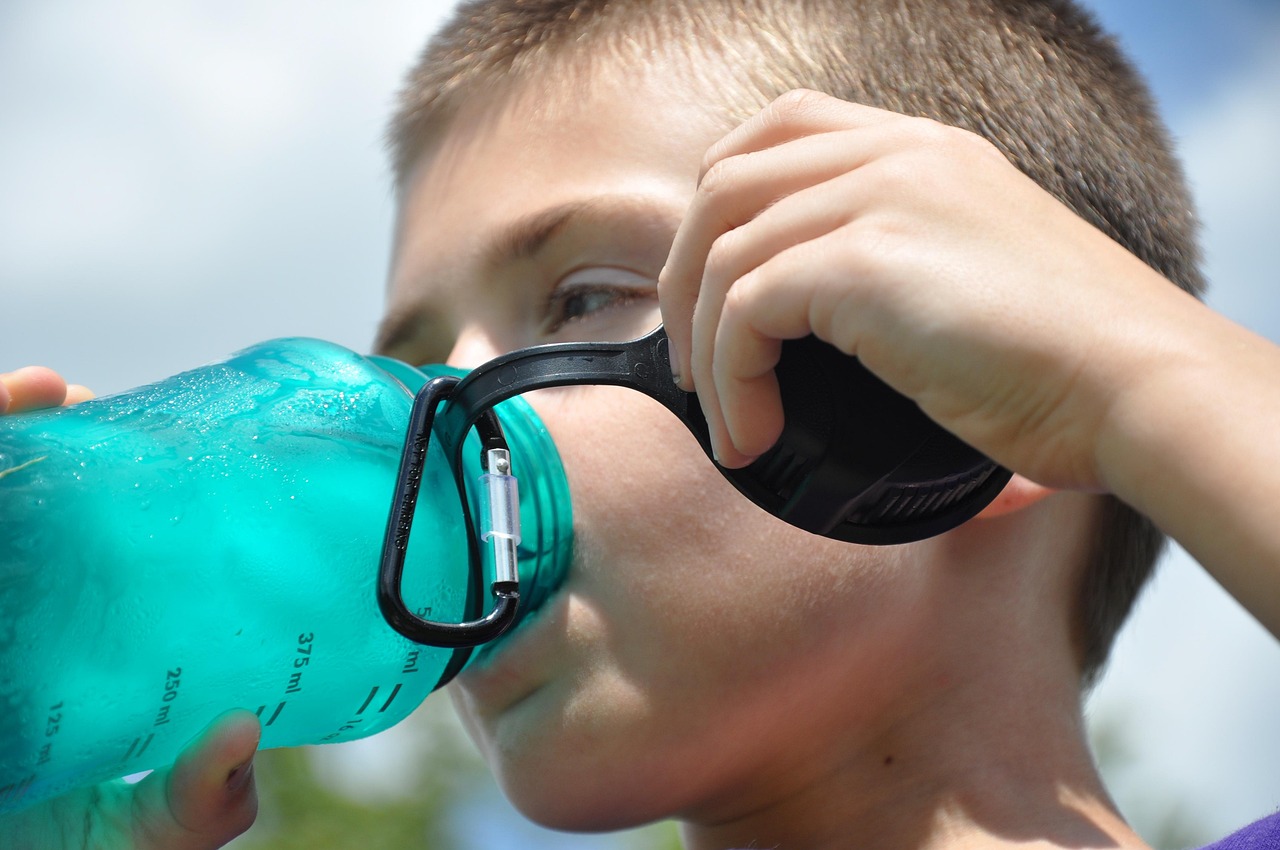
Every athlete has unique hydration requirements influenced by various factors such as activity intensity, duration, and environmental conditions. Generally speaking, those engaged in prolonged physical activities, especially in warmer climates, need to monitor their fluid intake more closely. Tailoring a hydration strategy based on personal feedback can lead to better overall performance. In addition to sweat loss, individual factors like body weight, metabolic rate, and sweat composition play a role. To ascertain their specific needs, athletes may keep detailed records of their fluid intake juxtaposed with performance as well as hydration appointments. Athletes can also maintain precise diaries noting their hydration levels during training sessions. This approach gives insights into how their body responds to various hydration methods and allows for adjustments to be made when necessary. Smart bottles designed with built-in sensors can facilitate this tracking process. Consistent monitoring and personalized strategies are key to ensuring optimal hydration levels. Understanding one’s hydration needs is crucial in preventing dehydration, which can lead to fatigue, decreased strength, and impaired performance.
One effective hydration monitoring technique involves assessing urine color, which provides a simple and practical way to gauge hydration status. Athletes can use a standardized color chart that ranges from pale yellow to dark amber to determine whether they are adequately hydrated. A pale yellow hue generally indicates appropriate hydration, while darker shades suggest a need for increased fluid intake. This method is convenient, as it requires minimal equipment and can be done quickly pre and post-training sessions. Additionally, athletes should be aware that factors such as supplementation, diet, and medications can slightly alter urine color, so it’s essential to interpret the results carefully. Achieving and maintaining an appropriate level of hydration is not only critical for performance but also for overall health. When athletes become more aware of their hydration status, they can prevent dehydration. Consistently tracking urine color over time helps in making informed choices about fluid intake, allowing for optimization of performance. Keeping hydration levels in check leads to superior athletic outcomes, reducing risk during high-demand training regimens.
Utilizing Technology in Hydration Monitoring
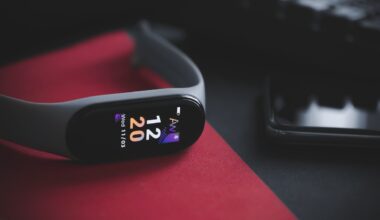
Wearable technology has revolutionized how athletes track their hydration and fluid loss, making it more efficient than ever. Devices like smartwatches and hydration trackers offer comprehensive monitoring capabilities to deliver consistent feedback during workouts. These devices often measure biometric data, including heart rate, sweat rate, and sometimes even hydration levels, which can be invaluable for athletes. Integration with mobile applications allows athletes to receive real-time insights and reminders to drink fluids based on their exertion levels and environmental factors. This seamless connection assists in designing personalized hydration plans that are data-driven. Moreover, athletes can receive alerts when it’s time to hydrate, eliminating guesswork and optimizing performance in training and competitions. The precision provided by these tools enhances accountability in hydration monitoring. By adopting advanced monitoring methods, athletes can shift their focus to other performance-oriented aspects. Technologies that keep track of fluid loss during activities make it feasible to estimate future hydration needs accurately, which directly contributes to enhanced athletic performance and general health.
Another beneficial approach to monitoring hydration effectively is fluid intake logging, which aids athletes in establishing consistent hydration practices. By documenting water consumption throughout each day, athletes can maintain equilibrium, evaluating when and how much they hydrate relative to their activity levels. Establishing a routine is invaluable, as regular consumption becomes second nature over time. Various apps facilitate fluid tracking, enabling users to set goals and receive notifications when it is time to hydrate. This data collection process empowers athletes by allowing for adjustments based on performance needs. Ensuring consistent hydration can improve metabolic rate and recovery time, making logging an essential component of a comprehensive hydration strategy. Athletes should familiarize themselves with their liquid consumption habits to optimize performance. In addition, diversifying hydration sources, including electrolyte-rich drinks and plain water, can further enhance hydration strategies. Hydration logging can reveal patterns and inform better decisions regarding fluid intake over training cycles. Ultimately, establishing mindful consumption habits leads to better outcomes, refining the athlete’s ability to perform at their best consistently.
The Role of Electrolytes in Hydration
Understanding the importance of electrolytes is crucial for athletes as they play a significant role in hydration. Electrolytes like sodium, potassium, and magnesium balance fluids in the body, thus supporting optimal physiological function. During intense physical activity, athletes lose not only water but also essential electrolytes through sweat. Replenishing these lost electrolytes through sports drinks or supplements can enhance overall hydration levels. It’s important for athletes to select electrolyte sources that align with their specific needs and the duration of their workouts. Short durations may require just water, while longer bouts of exercise demand more concentrated electrolyte replenishment. Understanding the body’s electrolyte balance can prevent issues such as muscle cramps and fatigue, which can significantly hinder performance. Markedly, sodium plays a key role in maintaining fluid balance, as it encourages thirst and proper hydration. Athletes should learn to recognize signs of electrolyte imbalance, such as cramping or dizziness. By proactively managing electrolyte intake during training, athletes can enhance recovery and performance, enabling them to train more effectively.
In summary, effective hydration monitoring is a multifaceted approach that combines several methods and tools to optimize athlete performance. From tracking urine color to utilizing sophisticated wearable technology, each technique offers unique advantages for athletes in their hydration journey. Personalized plans that consider sweat rate, individual physiology, and the role of electrolytes promote a comprehensive approach to hydration needs. The application of technology not only aids in monitoring but also instills an accountability factor that ensures athletes adhere to hydration strategies regularly. Furthermore, by keeping a detailed log of fluid intake, athletes can track patterns and adjust their hydration behavior effectively. The importance of hydration cannot be underestimated, as it plays a direct role in physical and mental performance. Athletes are encouraged to educate themselves continuously on best practices for hydration to avoid complications such as dehydration. Each method outlined contributes to an overall comprehensive hydration strategy that drives success in the athletic world. With knowledge of hydration techniques, athletes can confidently prepare, compete, and excel in their respective sports.
Final Thoughts on Hydration for Athletes
Staying well-hydrated is central to achieving optimal performance in athletics. Each athlete must assess their hydration methods, incorporating modern technologies and traditional techniques to track fluid intake efficiently. By understanding the signs of dehydration and maintaining regular hydration practices, athletes can minimize their performance fluctuations. The use of innovative tools can enhance the overall hydration strategy that suits each athlete’s lifestyle and training regimen. Ultimately, cultivating a keen awareness of individual hydration needs and adjusting them according to activity and environmental factors will encourage better recovery and sustained performance over time. Emphasizing holistic hydration strategies not only promotes wellness but also boosts athletic capabilities. Inspiration from various hydration practices can empower those in the sporting community to thrive. The way forward requires athletes to embrace new ideas while remaining grounded in the fundamentals of hydration. Consistently addressing hydration needs will allow athletes to push their boundaries. Ensuring fluid levels are adequately maintained is pivotal for both safety and performance excellence. Hydration in sports has never been more crucial; thus, embracing a multi-faceted approach will lead to fruitful results.