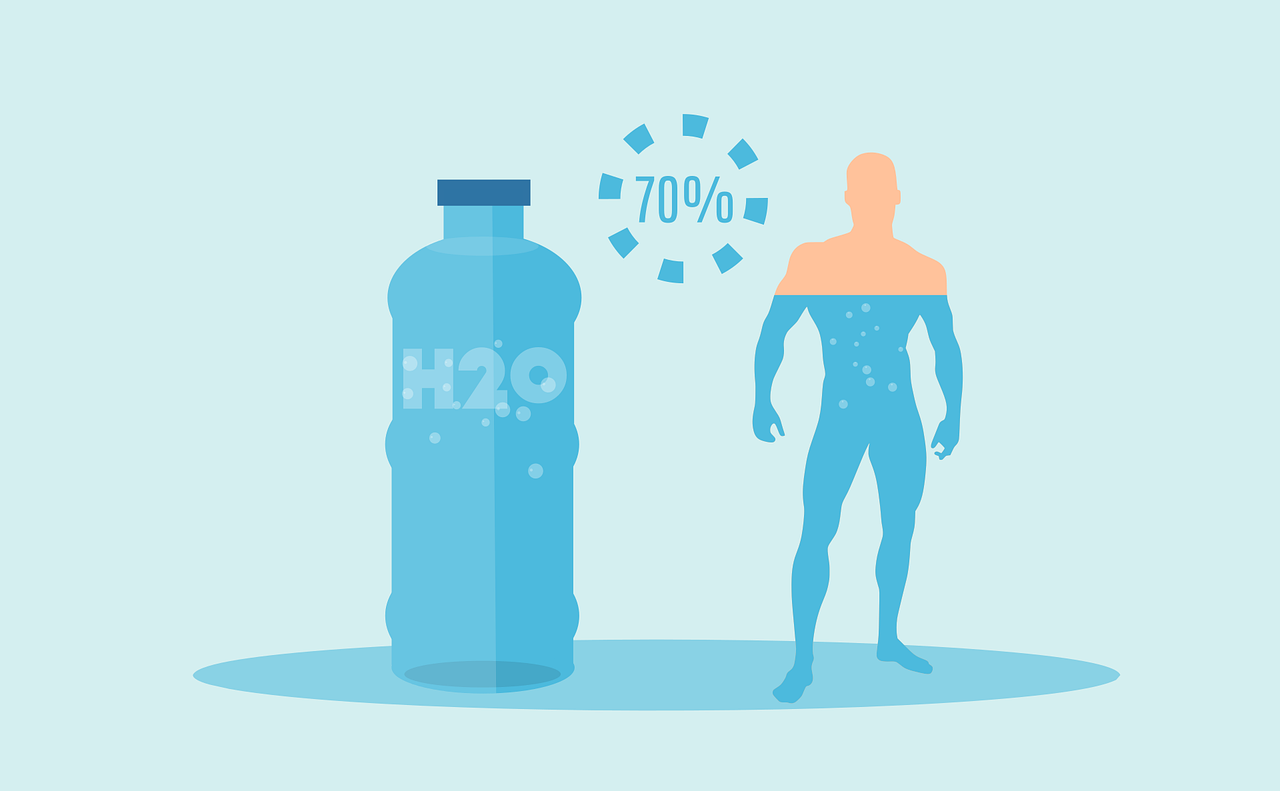

Hydration and Its Essential Role
Hydration is a crucial aspect of muscle recovery, especially on rest days. The body goes through various processes to repair damaged tissues during these periods. Water plays a vital role in transporting nutrients and flushing out toxins. When muscles are exercised, microscopic tears occur, necessitating hydration for recovery and growth. Adequate water levels help to maintain optimal blood circulation, ensuring essential nutrients reach target muscle groups. Proper hydration also supports the body’s temperature regulation, enhancing overall performance during workouts. Without sufficient water intake, muscle cramping and fatigue become more likely, adversely affecting recovery. Many athletes overlook the importance of hydration, focusing solely on protein intake and supplements. A well-hydrated body can effectively utilize the nutrients from foods consumed on rest days, allowing for better muscle repair and growth. It’s essential to monitor fluid intake, aiming for at least 8-10 glasses per day, or more depending on activity levels. Incorporating hydrating foods, such as fruits and vegetables, can further enhance recovery. Thus, prioritizing hydration is not just beneficial but necessary for optimal muscle recovery and growth.
Signs of Dehydration
Understanding low hydration levels is essential for muscle repair and growth. Dehydration can significantly hinder recovery and should be addressed proactively. A few common signs include increased thirst, dark urine, and fatigue. If muscles feel unusually stiff or sore post-workout, lack of hydration may be a contributing factor. Additionally, dizziness or headaches can indicate dehydration, limiting effective rest and muscle recovery. Increased perspiration or extended workouts without adequate water intake compound the need for daily hydration. Athletes often overlook these warning signs, thinking soreness is merely from physical exertion. However, recognizing these symptoms can help prevent long-term muscle damage and promote faster recovery. For individuals striving for muscle growth, maintaining hydration becomes even more crucial. Consuming electrolyte-rich beverages can aid in replenishing lost minerals while enhancing performance. Strategies to combat dehydration include setting reminders to drink water throughout the day, carrying a water bottle, and making hydration a priority before, during, and after workouts. Recognizing the signs of dehydration and understanding its impacts on muscle recovery ensures better outcomes for overall fitness goals.
Hydration Guidelines for Muscle Growth
Implementing effective hydration strategies can bolster muscle recovery significantly. Nutritionists recommend consuming water at regular intervals throughout the day, rather than waiting until feeling thirsty. Establishing a routine can help reinforce hydration habits. Aim for at least half of your body weight (in ounces) of water daily. If you weigh 160 pounds, that equates to 80 ounces of water, particularly to encourage optimal muscle function on rest days. Incorporating hydrating foods alongside water intake can promote better recovery. Foods rich in electrolytes, like bananas and coconuts, enhance hydration levels while providing vital nutrients. Additionally, consuming a balanced diet featuring proteins, healthy fats, and carbohydrates can further support muscle repair and growth. Always pay attention to hydration before, during, and after workouts. Engaging in rigorous workouts without proper hydration can lead to complications. Make it a habit to drink a glass of water before meals and workouts. Utilizing water tracking apps can further promote awareness of fluid intake. The goal is not just to drink regularly but also to ensure your body remains balanced and hydrated for efficient muscle recovery.
Timing is essential when considering hydration in relation to rest days and muscle growth. Optimal timing for drinking water is essential, especially surrounding workouts, meal times, and throughout the day. Drinking approximately 16-20 ounces of water during and after workouts can help replenish fluids lost through sweat. Styles of training, whether endurance or strength-based, will require different hydration levels. Rest days can also become opportunities to focus on hydration, ensuring effective recovery. This is particularly important after intense training weeks where muscles may still be recovering from strain. Water absorbs more efficiently during rest periods, especially while the body is in repair mode. Integrating hydration into daily routines takes discipline, but the rewards can be substantial for muscle recovery. Consider infusing water with fruits like lemon or berries for added flavor and appeal. Furthermore, consistency is key; attempt to drink a set amount of water during specific times, as establishing habits can lead to long-term benefits. Prioritizing hydration during rest days will ultimately support muscle repair and growth, making every drop count for recovery.
Research supports the idea that hydration on rest days enhances not only recovery speed but overall muscle growth. Numerous studies have indicated that well-hydrated individuals can experience improved performance on training days following rest days. Hydration aids in nutrient absorption, allowing muscles to recover rapidly. During rest periods, specific muscle groups can still experience recovery benefits from hydration. Increased fluid intake allows for better circulatory function, ensuring that nutrients reach damaged muscles in need of immediate repair. Enhanced hydration also supports muscle metabolism, ensuring optimal efficiency in energy usage during workouts. For anyone engaged in muscle-building, maintaining hydration should be a non-negotiable aspect. Many athletes note better results in their muscle development once they adjusted hydration practices. While achieving specific hydration levels may seem challenging, small adjustments encourage improvement. Consider tracking daily intake through apps or physical journals, making it easier to see progress. A better understanding of one’s hydration needs fosters a more effective approach toward recovery and muscle growth. Regular assessment of hydration levels can lead to continued improvements in performance and bodily function.
Hydration should not be an afterthought, especially when considering its role in muscle growth. Many athletes tend to underestimate how integral fluid levels are for repair and overall health. As muscles are structured primarily from water, maintaining hydration becomes paramount for anyone serious about their fitness journey. Poor hydration can lead to declining performance, chronic fatigue, and an increased risk of injury. Those engaging in intense or prolonged training must prioritize hydration through the entire process, from workouts to rest days. Effective recovery strategies yield better muscle growth outcomes, emphasizing water’s importance. Hydration also plays a role in inflammation reduction, further enhancing recovery timelines. Through proper intake on rest days, muscles can heal quicker from strain and improve overall performance in subsequent training sessions. Emphasizing hydration techniques alongside nutrition can lead to exceptional results. Nutrition must not overshadow the vital role of drinking sufficient water. Overall, maintaining optimum hydration levels is vital, ensuring the body is prepared and equipped to support muscle repair and growth. Recognizing the impact of proper hydration will ultimately transform fitness routines for the better.
In conclusion, prioritizing hydration during rest days is essential for effective muscle recovery and growth. Understanding individual hydration needs and establishing consistent water intake routines can greatly enhance recovery outcomes. Emphasizing nutrient-rich foods alongside hydration can support muscular repair processes. Many aspects, such as activity levels, age, and environmental conditions, can influence how much water is needed, leading to individualized hydration strategies. Athletes should aim for a balance throughout the day while being proactive about addressing dehydration signs. Incorporating flavored beverages and hydrating snacks can make the process enjoyable and sustainable. Furthermore, adjusting hydration protocols according to specific training cycles can ensure optimal performance levels across workout sessions. Recognizing reverse hydration effects of inadequate water intake underlines its importance in achieving personal fitness goals. Opting for a well-rounded approach towards rest day recovery will lead to greater fitness success. Focus on staying hydrated for recovery, enhancing muscle growth, and understanding total body wellness. It’s an integral part of any fitness journey, ensuring muscles are primed for subsequent workouts with peak performance. Hydration truly supports the foundation of muscle repair and is critical in maximizing fitness potential.
Conclusion on Hydration for Muscle Growth
Hydration is not merely important; it is critical for athletes focusing on muscle building. Rest days serve as recovery periods that can be enhanced with proper hydration practices. Drinking sufficient water throughout these days supports muscle repair, nutrient transport, and overall recovery effectiveness. Neglecting hydration may lead to adverse effects, including decreased muscle function and prolonged soreness. Recognizing the correlation between hydration levels and exercise performance is crucial to athletes’ success. By fostering a consistent hydration routine, muscle recovery can be supported effectively, maximizing growth potential during non-training days. Staying hydrated means the body is prepared to repair and grow, reducing the risks of strain or injury. Hydration promotes optimal metabolic processes necessary for muscle recovery. Engaging in regular hydration practices leads to far better outcomes than careless habits. For those serious about fitness goals, ensuring proper hydration should be viewed as a foundational pillar in a comprehensive program. Prioritize hydration as a key component for achieving desired muscle growth results while maintaining overall health. Committing to a well-structured hydration plan can yield significant benefits and improvements for long-term muscle development.