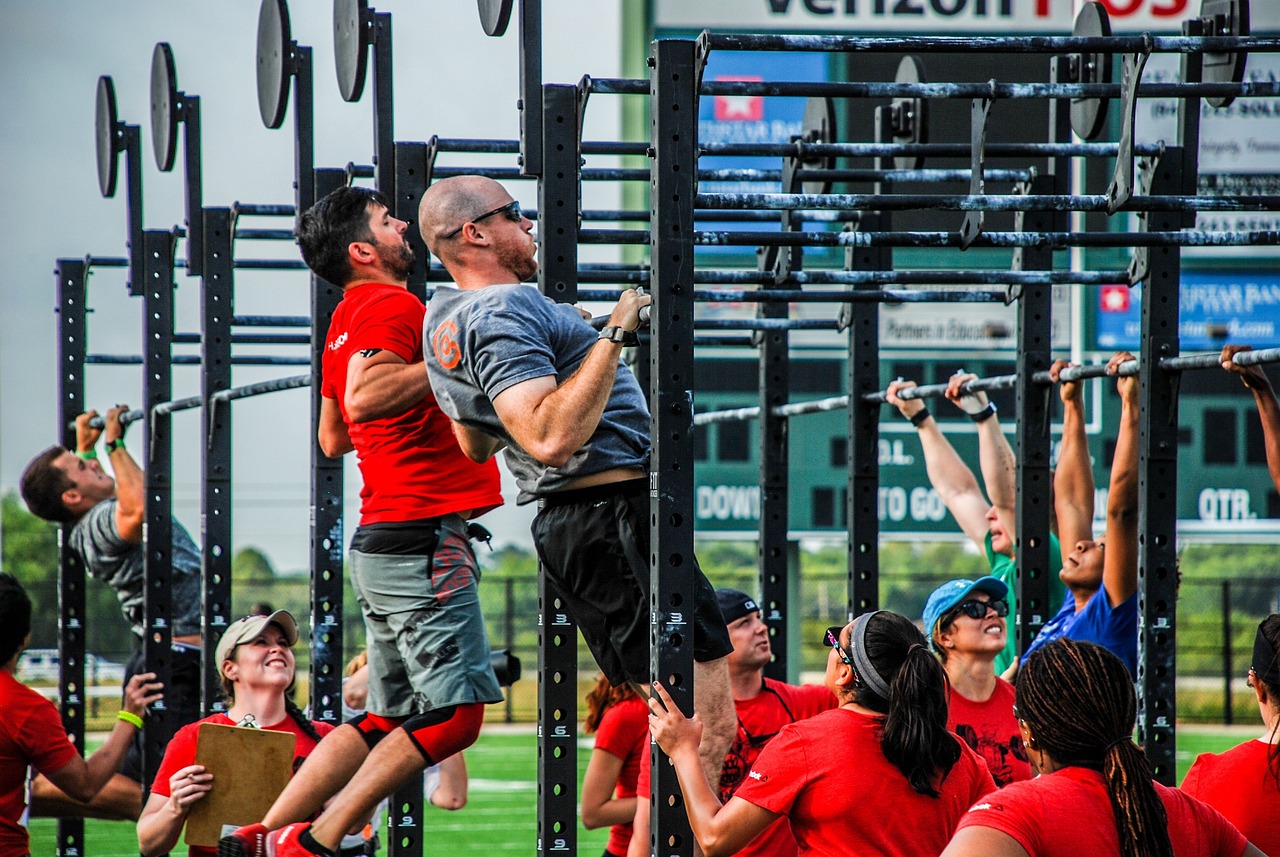

How to Prevent Injuries During CrossFit Workouts
CrossFit workouts are incredibly intensive and offer numerous benefits such as improved strength, endurance, and flexibility. However, with high-intensity training comes the risk of potential injuries. Understanding how to minimize these risks is essential to enjoying your CrossFit experience. Proper warm-up routines prepare your body for the physical challenges to come. Additionally, incorporating mobility exercises and stretching can help prevent injuries. Ensure your workouts follow prescribed progressions to promote safe development of strength and skills. Learning movements thoroughly before increasing weights can help prevent injury. Another key factor is using proper form and technique during every exercise. Over time, as workouts become increasingly strenuous, it’s easy to forget your fundamentals. Remember, it is better to complete your workouts correctly than to rush through them, putting yourself at risk. Always listen to your body. If you feel pain or discomfort, consider scaling back weight or modifying the workout entirely. Also, consider incorporating rest days to allow for recovery and healing. Prioritizing well-being means you’ll enjoy ongoing participation in CrossFit and minimize injury risks throughout your fitness journey.
Establishing a strong foundation starts with education about injuries in CrossFit. Research common injuries associated with CrossFit, such as sprains, strains, and tendonitis. Knowing the signs and symptoms of these injuries enables you to recognize them early. Equally important is understanding the correct warm-up methodology aligned with your workout of the day (WOD). Emphasizing dynamic stretches and movements specific to your routine prepares your muscles and joints for maximum performance. Hydration and nutrition also play vital roles in injury prevention. Dehydrated muscles are less resilient, increasing the likelihood of injury during high-intensity training. Additionally, fueling your body with proper nutrients enhances recovery and makes you more resilient during workouts. Engaging with a knowledgeable CrossFit coach is precious for learning optimal movement patterns. They can help identify your weaknesses and correct them, focusing on perfecting techniques. Strengthening support muscles and stabilizers through auxiliary exercises can be beneficial. Do not overlook the power of community support; surrounding yourself with fellow athletes encourages a culture of safety and proper training practices in the gym. Practicing patience ensures a gradual approach to fitness, which can lead to sustainable success over time.
Another crucial aspect in injury prevention is familiarity with the specific terminology related to CrossFit workouts. Knowing terms like “scaling” and “modifications” empowers you in your training. Scaling exercises to your skill level is perfectly acceptable, as achieving success consistently is the ultimate goal. Modifying movements ensures that even beginners or those recovering from injuries can still participate. Always consult with coaches about potential modifications. If necessary, dedicate a day each week to focus on technique, working only at lighter weights or with movements you struggle with. Pay attention to recovery techniques and consider adding foam rolling and static stretching to your post-workout routine. These practices can significantly alleviate muscle soreness, ultimately aiding your physical well-being. Consider tracking your progress using a journal or fitness app that helps highlight areas needing improvement. Comprehensive warm-ups and cool-downs should become standard practice for all workouts. Incorporating shorter, more frequent workouts focusing on skill acquisition rather than sheer volume can also help in learning proper movement patterns. Remember, real fitness success emphasizes safety and health first, leading to long-standing enjoyment of CrossFit without the setbacks of common injuries.
Teamwork and Communication
The atmosphere created in a CrossFit gym plays a significant role in injury prevention. The encouragement and motivation found within a supportive team can foster good training habits. Communicate openly with fellow athletes and instructors about your fitness goals and any existing injuries. Your team can help hold you accountable for maintaining proper technique during workouts. Additionally, observing others in a shared environment encourages learning from their techniques and adaptations. Be mindful of workout intensity; during partner workouts, communicate how you’re feeling throughout the session to prevent overexertion. Always advocate for safety—if you see a teammate using unsafe forms, gently remind them about proper technique. Creating a team environment focused on injury prevention includes stretching routines and discussions on best practices for recovery, fostering a supportive community. Workouts that incorporate partner exercises can improve teamwork while reducing the impulse to push excessively during competitions. Establish accountability partners to check on each other’s progress and ensure that you both prioritize health over performance. Building relationships can strengthen your connection, ultimately enhancing the overall CrossFit experience while maintaining a healthy, injury-free lifestyle.
Consideration for your individual recovery strategies allows you to optimize your performance while keeping injury risks low. Everyone has specific needs based on fitness levels and demands. It’s vital to listen to your body and adjust your routine according to those needs. An effective recovery strategy can involve adequate sleep, attention to nutrition, and cross-training. Prioritize sleep as your body repairs itself during the night, ensuring tissue recovery and mental clarity in training sessions. Maintain a balanced diet and consider supplements or hydration strategies that align with your specific fitness goals. Cross-training with activities such as swimming or yoga can alleviate continuous strain on your joints and muscles while improving flexibility. Incorporating mobility work into your regimen enhances joint function and decreases the chances of misaligned movements during workouts. Implementing regular check-ins with your healthcare provider can ensure your long-term health stays on track. Maintaining proper posture outside the gym can also support your efforts in injury prevention. Physical fitness extends beyond the gym, incorporating wellness strategies for an all-encompassing health approach. Remember to nurture your body; every small decision contributes to a safer, more enjoyable experience within the CrossFit environment.
Support From Coaches
Your CrossFit coach can serve as an essential resource for guidance and support throughout your fitness journey. With their expertise and experience, they can help you develop tailored programs that prioritize safety without sacrificing results. Schedule time for individualized coaching sessions focusing on specific movements and techniques, reinforcing the principle of mastering the basics before advancing. Their corrective feedback on your form can help prevent injury and inform you when to adjust workouts. Effective coaching encourages open dialogue, where you ask questions without hesitation. A good coach will prioritize your goals by emphasizing safety and injury prevention over sheer performance. Regularly discussing your history of injuries or areas of concern enables them to provide modifications that align with your individual needs. The relationship with your coach is crucial in creating a constructive training environment where your progression remains at the forefront. Attending workshops and seminars led by skilled coaches might also expose you to updated injury prevention techniques. Moreover, engaging in personal training sessions might differ early on; consider approaching existing members to learn from their experiences. Collaborating with skilled professionals and experienced athletes amplifies safety and enhances the overall CrossFit experience.
Finally, in your journey of CrossFit training, emotional well-being functions alongside physical health significantly. Stress and mental fatigue can make any training unsafe and lead to injuries. Pay attention to your mental state when participating in workouts; it’s essential to feel mentally prepared and focused. Utilize mindfulness techniques, such as meditation or breathing exercises, to optimize your mental wellness prior to workouts. Understanding your limits, both physically and mentally, will create a sustainable foundation for your CrossFit journey. Monitor your progress visually; creating a log to track gains, challenges, and achievements builds confidence and motivation. Assessing your journey also provides qualitative insights to enhance awareness about your training methodology. Take regular breaks when necessary to refresh your mind; burnout is real and alters performance significantly. A well-rounded approach includes developing healthy social circles both within and outside the gym, promoting the importance of exercise. Balancing your emotional health with your physical fitness journey ensures you develop a sustainable lifestyle that supports injury-free participation. For every benefit CrossFit brings, remember the importance of comprehensive health for lasting success, enabling you to really enjoy your workouts.
By utilizing the strategies discussed in this article, you will have the tools necessary to prevent injuries during your CrossFit workouts effectively. Start by prioritizing your warm-ups, refining proper technique, and maintaining robust communication with your supporting community. Don’t underestimate the value of recovery, nutrition, and mental stability as major components of your overall performance. As you apply these principles, remember how vital patience and consistency are. CrossFit is a long-term commitment to health and fitness, allowing you to realize your full potential while keeping injury risks at bay. Seek the guidance of experienced coaches and athletes to facilitate your journey. They will help you develop a thorough understanding of movement patterns and deliver strategies to address weaknesses. Remain open to learning and feedback throughout your training, as it creates a pathway for personal growth. Ultimately, by instilling these habits, you will find CrossFit to be not only enjoyable but also an empowering avenue for personal transformation. Take the time to appreciate your progress, both physically and mentally, and celebrate every success in your journey. Enjoy your CrossFit experience while remaining safe and healthy through proper training practices.