
How to Identify Hormonal Imbalance Through Fitness Tracking
Hormonal imbalances in women can significantly affect mood, energy levels, and overall well-being. Understanding how fitness tracking can be an effective tool in identifying these imbalances is essential for women seeking better health. Traditionally, recognizing hormonal issues involved various medical examinations and blood tests. However, fitness tracking provides a holistic approach by analyzing lifestyle choices affecting hormonal health. Various metrics, such as sleep patterns, menstrual cycle tracking, mood variations, and exercise frequency can highlight potential discrepancies in hormonal levels. By using fitness apps, women can log daily activities and easily identify trends related to their hormonal health. Implementing consistent tracking allows women not only to gain insights into possible hormonal imbalances but also to pinpoint their triggers. Engaging in regular physical activity can play a vital role in balancing hormones by regulating insulin and cortisol levels. Additionally, tracking dietary habits provides further insight into how certain foods may exacerbate hormonal issues, allowing women to adapt their nutritional choices. Overall, fitness tracking serves as an invaluable tool for women seeking to understand their hormonal health in a more proactive manner.
Fitness tracking also emphasizes the importance of sleep in hormonal balance. Quality sleep is critical for hormone production and regulation. Poor sleep can disrupt the balance of key hormones, including cortisol, estrogen, and progesterone, leading to imbalances. Fitness trackers often include sleep analysis features that help you understand your sleep quality. By reviewing trends in your sleep patterns, you can identify times when sleep disturbances coincide with mood swings or other symptoms of hormonal imbalance. Making adjustments to improve sleep hygiene, such as maintaining a consistent sleep schedule and reducing screen time before bed, can have significant effects. Regularly recording your sleep quality alongside factors like stress levels and exercise can provide a clearer picture of how they influence hormonal health. For example, correlating poor sleep with increased stress can highlight areas to address. Furthermore, tracking your energy levels during workouts can guide adjustments for optimal performance. If workouts feel harder than usual despite sufficient sleep, this could indicate a hormonal imbalance. Thus, by combining fitness and sleep tracking, women can take essential steps towards understanding and improving their hormonal health.
Another critical factor to monitor in fitness tracking is menstrual cycles, which can provide vital clues about hormonal health. Women can use fitness trackers to log their menstrual cycles, observing any irregularities in timing or symptoms. Observing patterns such as missed periods or abnormal flow can serve as indicators of hormonal imbalance. When specific symptoms are logged, such as intense cramping, mood swings, or weight fluctuations, the data can demonstrate correlations with exercise habits or stress levels. For example, high levels of physical activity or significant changes in weight can impact hormonal regulation. By tracking these variables, women can identify whether lifestyle changes align with their menstrual health. An understanding of these trends allows women to take proactive measures, such as modifying their workout intensity or consulting with a healthcare provider when necessary. In addition, having a detailed record of menstrual cycles can empower women to have informed discussions with healthcare professionals regarding their hormonal health. This proactive approach can lead to earlier intervention and better outcomes, providing women with the support they need to maintain hormonal balance.
Nutrition’s Role in Hormonal Health
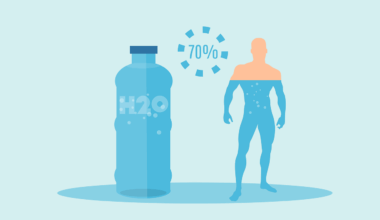
Nutrition plays a significant role in maintaining hormonal balance. Tracking dietary habits can reveal patterns that influence hormonal health. Specific foods can support hormone production, while others may disrupt it. By documenting food intake alongside fitness metrics, women can correlate certain dietary choices with hormonal fluctuations. For example, a diet high in processed sugars can lead to insulin resistance, exacerbating hormonal imbalances. Conversely, incorporating healthy fats, such as omega-3 fatty acids, can support hormone balance. Awareness of how foods impact energy levels during workouts can enhance overall fitness performance, helping women to make informed nutritional decisions. Many fitness apps allow users to add meals and note feelings of fatigue, irritability, or mood swings after specific foods. In doing so, women can identify food sensitivities or dietary deficiencies that may be contributing to hormonal imbalances. Furthermore, tracking hydration levels is essential, as dehydration can exacerbate stress on the body. By prioritizing balanced nutrition and hydration, women can create a diet that supports optimal hormonal health, showcasing how comprehensive body tracking can lead to smarter lifestyle choices.
Regular exercise is a cornerstone to maintaining hormonal balance and can be closely monitored through tracking. By keeping a detailed record of workout types, duration, and intensity, women can detect how different exercise routines affect their hormonal health. Moderate exercise is generally beneficial, but excessively intense workouts can lead to increased levels of cortisol, a stress hormone that, when chronic, can disrupt hormonal balance. Through tracking performance, women can find the right balance of exercise that energizes rather than exhausts them. Adjustments can easily be made in real-time, leading to better motivation and reduced stress. Long-distance runners, for example, might benefit from incorporating strength training sessions or yoga to improve hormonal regulation. Listening to the body’s responses is crucial, reflecting changes in energy levels or mood. Logging post-workout feelings can provide insights into this reaction and help identify overtraining symptoms, which could be caused by hormonal imbalances. Thus, utilizing fitness tracking to manage exercise routines not only directs physical fitness but also supports overall hormonal health.
Mood and Hormonal Health
A vital aspect of recognizing hormonal imbalances involves understanding mood changes. Hormonal fluctuations can manifest in multiple ways, including irritability, anxiety, or mood swings. Women can leverage fitness tracking to log their emotional states alongside their physical activities. Noticing patterns between workouts, meditation, or other wellness practices can help identify triggers. For instance, keeping a mood diary integrated with fitness tracking can highlight whether physical activity decreases feelings of anxiety or improves mood. Conversely, if emotional disturbances coincide with changes in exercise regimens or nutritional intake, this insight allows women to adjust their routines accordingly. Emotional well-being is intertwined with physical health, underscoring the need for a multifaceted approach. Integrating mindfulness practices, such as yoga or meditation into fitness routines, can yield significant benefits. Recognizing the connection between mood and hormonal health leads to a more comprehensive understanding of fitness. This way, women can proactively manage their emotional well-being through lifestyle choices, ensuring a balanced approach that prioritizes both physical fitness and mental health.
In conclusion, using fitness tracking as a tool can empower women to identify and address hormonal imbalances proactively. By monitoring various factors, including sleep quality, menstrual cycles, exercise routines, dietary habits, and emotional states, women can gain valuable insights into their hormonal health. The journey toward hormonal balance involves understanding one’s body and recognizing patterns that may signify imbalances. Fitness trackers provide an integrated approach to report necessary data across multiple aspects of health. With this information at hand, women can explore adjustments necessary for achieving better hormonal regulation. Keeping detailed records offers the opportunity to share this information with healthcare providers more effectively. This means that women can engage in more informed conversations regarding their health concerns, leading to personalized care plans that support hormonal health. As awareness grows around hormonal imbalances, tools like fitness tracking will likely become increasingly valuable in preventive care. Overall, empowering women through education and self-awareness in their fitness journeys fosters a healthier relationship with their bodies, promoting hormonal harmony and overall well-being.
Indeed, incorporating apps and digital tools into everyday life confirms that technology can greatly assist in health management. Women can personalize their approach by selecting apps tailored for hormonal health monitoring, allowing them to customize alerts and features according to their needs. With easy access to health data, keeping track of progress becomes more enjoyable and less overwhelming. This approach encourages sustained interest in fitness and hormonal health management, supporting the journey toward balance. Moreover, the ease of use promotes consistency, essential for long-term success. Celebrating small accomplishments through fitness tracking helps reinforce positive behavior changes over time. By understanding the interconnectedness of fitness, nutrition, and emotional well-being, women are equipped to make mindful choices. Integrating fitness tracking into daily routines, recognizing the patterns can lead to greater self-awareness and improved health outcomes. Ultimately, knowledge acquired from fitness tracking arms women with the power to take control of their hormonal health proactively. As they embrace this newfound understanding, they are encouraged to advocate for well-being and prioritize their needs, weaving a narrative on health that empowers. This creates a ripple effect of positive change that benefits not only them but those around them.