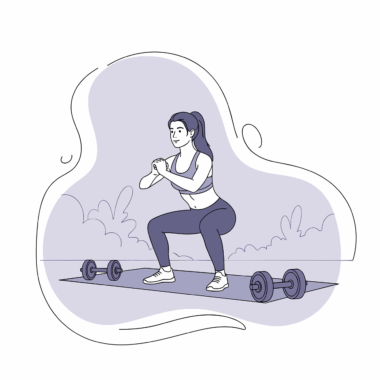

How to Engage Core Muscles with Proper Exercise Form
Engaging your core muscles is essential for optimal performance and injury prevention during workouts. To properly engage your core, begin by adopting the correct posture. Stand tall with your shoulders back and down, while your head is aligned with your spine. It’s important to tighten your abdominal muscles as though you are about to be punched in the stomach. This action stabilizes your trunk and allows for better movement efficiency. Start with bodyweight exercises to master your core engagement. Planks and bridges are excellent choices to build a strong foundation. When performing these exercises, ensure that your entire body works together. Focus on breathing: inhale deeply through your nose, allowing your belly to expand, and exhale through your mouth to activate your core further. In addition, consider consulting a certified personal trainer who can give you tailored advice based on your fitness level. Also, remember the importance of relaxing your neck and shoulders while maintaining core stability. Implement these techniques consistently to see gradual improvements in your exercise form, ultimately enhancing your workout effectiveness and reducing injury risk.
In addition to mastering your core engagement, it’s vital to incorporate various exercises into your routine that specifically target these muscles. Exercises like Russian twists, bicycles, and hanging knee raises can enhance overall core strength. Each of these exercises emphasizes stability and requires controlled movements; thus, maintaining proper form is critical. When executing Russian twists, sit on the ground with your knees bent, lean back slightly, and rotate your trunk while keeping your core tight. For bicycles, lie on your back, lift your legs, and alternate bringing your elbow to the opposite knee; engaging your abdominal muscles should remain a priority. Also, familiarize yourself with dynamic exercises that challenge your core, such as medicine ball throws. While doing these, focus on using your core to generate power, which aids in developing a functional core. Furthermore, mixing cardio and strength training routines can improve your overall conditioning and core engagement during various activities. Always remember to listen to your body; if something feels off, modify your form or take breaks. Core stability is a gradual process that requires patience and dedication, but your progress will greatly enhance your fitness journey.
Breathing techniques play a significant role in effectively engaging your core during exercises. Understanding how to breathe while maintaining proper posture allows you to maximize your workouts. For instance, when lifting weights or performing squat exercises, exhale during the exertion phase, whether it be pushing, pulling, or standing up. Similarly, inhale during the reset or lowering phase of the movement. This rhythmic breathing not only aids in maintaining core stability but also prevents unnecessary strain on your muscles, resulting in increased endurance. Moreover, focusing on your breath helps in creating mindfulness during workouts, which can enhance your overall gym experience. Meditation and controlled breathing exercises can also strengthen the connection between your mind and body, allowing for improved performance. Incorporate these techniques into your daily fitness routine to establish a rhythm that works for you. Furthermore, adequate recovery time is crucial for muscle development and injury prevention. Schedule days off to allow your core muscles to heal and grow stronger. Make it a priority to listen to your body’s signals and push just enough to challenge your limits while avoiding overexertion to ensure longevity in your fitness journey.
Maintaining Proper Technique
Proper technique is arguably the most crucial aspect of engaging your core during exercise. Assessing your form frequently will enable you to pinpoint any deficiencies or areas for improvement. Utilize mirrors where available to self-correct your posture. Alternatively, recording your workouts can offer unique insights into how you move. If you notice that your form deviates from the correct technique, take a moment to adjust yourself. When bending or lifting, engage your core to provide structural support to your back and pelvic region, preventing injuries like lower back pain. Additionally, a strong core offers better control and balance for compound movements such as squats or deadlifts, enabling you to lift heavier weights efficiently. Avoid locking your knees or overextending your back when performing exercises; this often leads to compromised technique. Focus on gradually increasing your weights while maintaining proper engagement. Consistency is key. Join a class, maintain a workout log, or follow a structured program to ensure you are continually improving. As you become more aware of your body mechanics, you will find it easier to maintain solid core engagement across a variety of physical activities.
Incorporating functional training into your workout routine can substantially improve your core engagement and overall physical capabilities. Instead of isolating your core muscles, functional training emphasizes multi-joint movements that mirror real-life activities. Exercises like kettlebell swings, deadlifts, and squats not only engage the core but also build muscular endurance throughout your body. As you perform these movements, remember to focus on your core stabilization to maintain your balance and posture. Furthermore, consider integrating exercises such as side planks and stability ball workouts, which offer dynamic challenges to engage your deep core muscles effectively. Ensuring a strong foundation in your core will enhance your performance in various other movements, boosting your functional strength. If you are unsure where to start, consider working with a certified personal trainer who can design a personalized program just for you. Additionally, maintaining variety in your workouts keeps your routine fresh and exciting, preventing workout monotony. Ultimately, the more you challenge your core through different types of exercises, the better your overall strength and stability will become. Each step you take towards improving your core engagement prepares you for new and exciting fitness goals.
Nutrition and Core Strength
Nutritional practices play an important role in enhancing your core strength. Consuming a balanced diet rich in whole foods provides the essential nutrients that your body needs to function optimally. Focus on including plenty of lean proteins, healthy fats, and complex carbohydrates to fuel your workouts. Hydration is equally vital, as water supports cell function and optimizes muscle performance, including core stability. Ensure your body is well-hydrated, especially during workouts when you lose fluids through sweat. Additionally, remember that excess body fat can inhibit effective core engagement. Consider tracking your food intake to develop better dietary habits. Prioritize whole grains, colorful fruits, and lean meats while avoiding processed foods and sugars that may contribute to weight gain. Consistency in good eating habits ultimately yields significant results, enhancing your core strength further. Consult with a registered dietitian to explore meal planning strategies uniquely suited to your dietary goals. Creating a strong nutrient foundation will not only help improve your workouts but also offer a comprehensive approach to fitness. Keeping an eye on your nutrition will greatly complement your exercise regimen, leading to more noticeable results in your core engagement over time.
Finally, remember that engaging your core during workouts is an ongoing journey, not a one-time effort. Regularly practicing proper form and core engagement techniques will yield promising benefits over time. Setting achievable short and long-term goals can provide motivation, allowing you to track your progress effectively. Moreover, celebrate small victories, such as mastering a specific exercise with correct form. Don’t hesitate to ask for feedback from trainers or workout buddies, as their insights can help refine your technique further. Consider enrolling in fitness workshops or classes focused on core strength to stay updated on the latest techniques and methodologies. Keeping your motivation high with new challenges fosters growth and improvement. Understanding that mistakes are part of the learning process will inspire resilience. As you develop a strong core foundation, you will notice improved performance across all aspects of your fitness routine, from endurance to strength. Stay committed, as consistency will ultimately pay off. Your willingness to learn and adapt will set you on a path towards better core engagement, leading to a healthier, stronger, and more capable you.
Utilizing a variety of training styles can greatly enhance the mastery of core engagement techniques, making workouts not just effective, but also enjoyable. Think about incorporating Pilates or yoga into your regimen, as these disciplines emphasize core strength and stability through controlled movements. Regular practice of these forms can help improve flexibility, balance, and overall strength, deeply engaging and strengthening your core muscles. Additionally, incorporating resistance bands into your training can add a new dimension to your exercises, allowing you to better isolate your core. These bands require you to engage your core to stabilize and resist the movement. Furthermore, consider including fun, innovative exercises to keep your routine fresh, such as dance classes or martial arts. Entertaining workouts can alleviate the monotony that sometimes affects standard gym sessions while effectively targeting your core. Remember to listen to your body and allow it time to adapt to new movements to minimize soreness or injury risk. At the end of the day, maintaining excitement within your workouts is essential for long-term commitment, and properly engaging your core will ensure a stable and strong foundation for years to come.