
How to Design a Flexibility Routine Tailored for Women
Flexibility is crucial for overall fitness, particularly for women who engage in various forms of exercise. A well-designed flexibility routine not only enhances the range of motion but also aids in injury prevention. The primary factor in creating a tailored flexibility routine is understanding individual goals and body needs. Women may wish to improve flexibility to enhance their performance in sports or daily activities. Some practical exercises can include dynamic stretches for warm-ups and static stretches for cooldowns. It’s crucial to focus on major muscle groups like the hamstrings, quadriceps, and back. These are often areas of tightness resulting from prolonged sitting or high-intensity workouts. Planning a routine involves integrating different types of stretching methods, such as PNF (Proprioceptive Neuromuscular Facilitation) and static stretching. Remember, consistency is key. Aim for two to three sessions a week to observe improvements gradually. Alongside stretching, hydration and muscle recovery techniques should be combined for optimal results. Notably, allowing adequate time for each stretch, maintaining proper form, and listening to your body are paramount for preventing strain. Incorporate these elements and transform your flexibility training journey.
Understanding the Benefits of Flexibility
Flexibility offers numerous benefits that every woman should appreciate and integrate into her fitness regime. Enhanced flexibility improves posture, helping to prevent aches and pains that result from muscle tightness. When muscles are flexible, the risk of injury diminishes greatly, especially for women who participate in fitness activities or sports. Moreover, increased flexibility promotes better muscle coordination and balance, essential attributes for any athlete. Regular stretching can also boost overall athletic performance by allowing the body to perform movements more efficiently. In addition, engaging in a routine that focuses on flexibility helps boost blood circulation. This improvement aids muscle recovery after strenuous workouts. Incorporating flexibility exercises into a weekly schedule can yield long-term advantages, such as reduced muscle soreness. Alongside these physical benefits, flexibility practices incorporate mindfulness and relaxation techniques that can alleviate stress, making your workout not just a physical challenge but a mental rejuvenation. Furthermore, stretching can enhance your body awareness, enabling you to understand your limits. This awareness is vital in pushing the boundaries of strength while minimizing injury risks. Therefore, making flexibility a priority can create a well-rounded fitness approach.
To design an effective flexibility routine, it’s essential to choose the right exercises that fit your specific needs. Consider incorporating a mix of various stretching techniques, including dynamic stretches for warming up. These may involve gentle movements like arm circles or leg swings that increase blood flow to the muscles. Static stretches, which involve holding a position for a period, can follow your workout, targeting tight muscle groups. Strong considerations for flexibility exercises should include areas often neglected during traditional workouts, particularly the hip flexors and hamstrings. Utilizing resources like instructional videos can help clarify proper techniques. Try to allocate at least fifteen to twenty minutes for this portion of your routine, ensuring each stretch is held for about twenty to thirty seconds. Customizing this routine based on your fitness level and responses to stretches will yield better results. Together with flexibility, formulating a supportive environment enhances motivation. Aligning your space with calming elements, such as aromatherapy or soothing music, can take the experience up a notch. Engaging in flexibility training regularly paves the way for newfound physical abilities and balances body and mind overall.
Safety is another critical element in your flexibility routine, especially for women who want to avoid injuries. Before starting any regimen, it’s prudent to warm up; this increases blood flow to the muscles and prepares them for stretching. You should focus on gradual progress rather than pushing through pain. Each flexibility session should emphasize gentle stretches while moderating intensity according to your capability. Pay attention to your body and discontinue any stretches that cause discomfort. It can also be advantageous to work with a certified trainer who understands women’s unique physiology. They can provide personalized guidance and recommend exercises that cater to your individual requirements. Learning to assess your limits is crucial; for example, if you find a certain stretch too challenging, modifying it to a gentler form can help. Additionally, keeping a journal tracking your flexibility practices can offer insights into your progress over time. Consider including a mix of passive and active stretches in your regimen. Diversifying how you approach flexibility can make your routine more dynamic and enjoyable. Ultimately, patience and persistence will yield visible enhancements in flexibility and mobility.
Sample Flexibility Routine
Creating a sample flexibility routine tailored for women can be a practical starting point. Begin with a five-minute warm-up consisting of light cardio, like jogging or skipping. Follow with dynamic stretches such as lunges with a torso twist, arm swings, and leg swings to activate the muscles dynamically. Next, transition into static stretches, focusing on major muscle groups. For the hamstrings, consider the standing hamstring stretch while keeping your back straight. To stretch the quads, utilize a standing quad stretch, bringing your heel to your glute. A great way to target hip flexibility is through a seated butterfly stretch, which can alleviate tightness in the inner thighs. Engage in a spinal twist while seated to promote core flexibility and release tension in the back. It’s essential to hold each stretch for at least 30 seconds, breathing deeply to aid relaxation. Conclude your routine with a few minutes of gentle breathing or meditative poses, such as Child’s Pose, to promote recovery. This holistic routine can enhance overall mobility and make stretching an enjoyable practice.
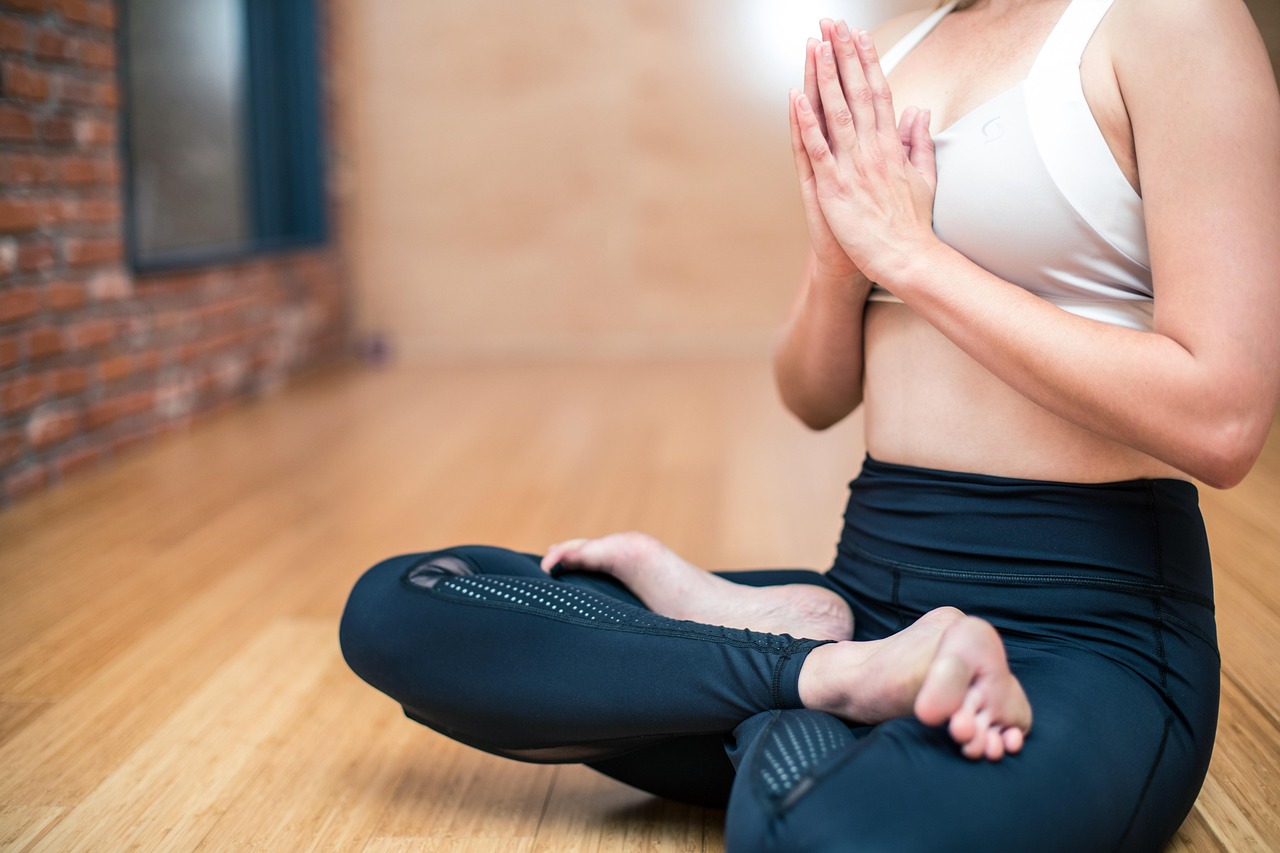
Incorporating mindfulness into your flexibility routine can elevate the experience substantially. Mindful stretching emphasizes awareness of your movements and body sensations while practicing. This practice can involve focusing intently on the areas being stretched, allowing yourself to connect mentally and emotionally with the physical sensations. During stretching, it is beneficial to use proper breathing techniques. Inhale deeply as you prepare to stretch and exhale slowly while deepening the stretch. This mindful approach not only enhances the physical benefits but also fosters a calming mental state, alleviating stress and anxiety. Connecting with your breath while stretching encourages a strong mind-body relationship, promoting higher satisfaction in your practice. Notably, personalizing your routine with music or guided sessions can further enhance enjoyment. Numerous mobile applications now offer targeted flexibility routines specifically for women, making practice accessible anytime. Tracking progress with mindfulness can also reveal changes in body awareness over time. By focusing on the present moment, you can empower yourself to feel accomplished with each improvement. Thus, infusing mindfulness into flexibility not only improves physical outcomes but nurtures emotional well-being.
Ultimately, maintaining a consistent and enjoyable flexibility routine empowers women towards improved health and well-being. To remind yourself of your goals, consider setting monthly targets that inspire motivation. It could be more deeply bending in a stretch or achieving a new pose. Engage friends by forming a flexibility group that celebrates progress together. Recognize that each person’s journey is unique, and celebrate small victories along the way. Utilizing online communities can also serve to reinforce commitment. Sharing experiences and advice can provide support and encouragement during your flexibility journey. It’s essential to recognize that fitness is not solely about strength but also about balance and mobility, which flexibility nurtures. Note that flexibility serves not only as a physical endeavor but as a mental exercise as well. This holistic view of health makes the journey rewarding. If you find yourself struggling on certain days, allow yourself time to rest without guilt; this approach allows gradual improvements over periods. Therefore, embrace your flexibility journey with an open heart and mind, and you will reap long-term benefits.
Remember that the flexibility routine you create is uniquely yours, reflecting personal goals and lifestyle. An adaptive approach leads to better sustainability in practice, allowing you to prosper in your health journey. With adaptability, you can shift your routine according to your evolving fitness levels, preferences, and experiences. Ultimately, the flexibility of your program invites ongoing exploration while helping you stay engaged. Just as your fitness evolves, so should your routine. Consider mixing in yoga classes or dance to make flexibility fun and fluid. Incorporating variety keeps sessions stimulating and encourages you to stay dedicated. As you refine your routine, remain mindful that every stretch contributes positively to your body. After implementing this journey, celebrate your progress—each gain in flexibility is a testament to your hard work. Regular practice fosters agility and overall strength while serving your mental and emotional health. Leverage resources available in local gyms or online platforms to stay motivated and inspired. Creating and following through with a dynamic flexibility routine ensures that you’re continually expanding your potential as a strong, resilient woman. So start today, and keep your flexibility journey a priority!