
Women’s Cycling Advocacy: Driving Change in the Sport
Women’s cycling advocacy is vital for the evolution and growth of the sport. Historical biases have often marginalized female cyclists, leading to limited opportunities and recognition within cycling. However, grassroots movements, organizations, and clubs have mobilized to combat these inequalities. Initiatives aimed at encouraging more women to cycle are paving the way for a more inclusive environment. Programs designed to teach cycling skills specifically to women have seen success by creating safe spaces for learning. Moreover, women’s cycling events and races are increasingly being showcased on national and international platforms. To foster growth, various organizations advocate for equal prize money and sponsorship opportunities, reflecting the contributions of women in the sport. Furthermore, networking events and forums act as platforms where women can share their experiences and support one another. Collaboration between experienced cyclists and newcomers can enhance motivational aspects, providing mentorship opportunities. Ultimately, strong advocacy fosters a supportive community, connecting women across various disciplines. Through shared experiences, women cyclists can drive impactful change and inspire future generations to take up cycling as both a sport and a lifestyle.
The Importance of Representation
Representation in cycling is paramount for inspiring future generations of female cyclists. When young girls see women excelling in cycling at various levels, it addresses the perception that cycling is predominantly male-dominated. Universities, local clubs, and organizations must actively promote female role models who consistently perform at high levels, demonstrating the potential of women in sports. Success stories of athletes like Marianne Vos or Lizzie Deignan can invigorate interest and motivate aspiring cyclists. Establishing mentorship programs wherein experienced cyclists guide younger ones can bolster this representation effort. These initiatives not only build skills but also instill a sense of belonging within the sport. The cycling community plays a significant role in altering perceptions by promoting female athletes through social media campaigns, interviews, and features in cycling magazines. Advocacy for female representation should also address structural barriers, ensuring girls have equal access to funding, resources, and training facilities. Encouraging visibility of women in cycling directly contributes to changing societal attitudes, breaking down barriers. As female cyclists grow in visibility and number, they collectively contribute to the narrative that cycling is an inclusive sport accessible to all individuals, regardless of gender.
Embracing diversity is essential for the prosperity of women’s cycling. Diversity in cycling involves inclusive practices that welcome individuals from varied backgrounds, races, and abilities. Organizations focused on advancing women’s cycling need to consider intersectionality, recognizing that gender is only one part of identity. Initiatives promoting cycling must strive to include those who face multiple barriers, such as socioeconomic challenges or racial discrimination. By establishing programs in underrepresented communities, cycling can promote equality and engagement across diverse populations. Partnerships with community organizations can ensure that women, regardless of their background, have access to the same sporting opportunities as their counterparts. This also means providing resources such as bikes, gear, and appropriate training to those who might not have these essentials. Numerous cycling initiatives today prioritize outreach, aiming to create a thriving ecosystem for young women cyclists. By amplifying the voices of individuals from all backgrounds, advocates can not only enhance the talent pool within women’s cycling but also reshape the narrative surrounding the sport. Understanding and addressing diverse needs will ensure lasting growth and inclusivity, thereby fostering a community where every woman feels valued and empowered to cycle.
Building Strong Communities
Building strong communities within women’s cycling is fundamental for long-term growth and support. These communities provide a space for women to connect over shared passions while navigating the challenges they often face in this sport. Local clubs and organizations play a pivotal role in fostering these connections, creating environments where mentorship and friendship thrive. Events such as group rides, workshops, and social gatherings cultivate camaraderie among women cyclists, enhancing their resilience and motivation. Furthermore, advocacy organizations emphasizing women’s cycling host forums aimed at discussing issues pertinent to female cyclists. Empowering women through shared experiences builds solidarity and encourages them to advocate for their rights in the cycling arena. Sponsorship and support from businesses and brands are crucial in amplifying these efforts, ensuring the sustainability of community initiatives. By spotlighting local female athletes, organizations can spark enthusiasm and drive participation. Initiating partnership programs with schools can further engage young female students, encouraging them to explore cycling. Strong communities can also push for policy changes that favor women cyclists, ultimately leading to equitable opportunities for all. These networks ensure that women are not alone, igniting passion and commitment within the cycling sphere.
Women’s cycling advocacy also addresses safety concerns by fostering safer environments for cyclists. Advocacy efforts directed toward local governments to improve infrastructure create safer riding experiences for women. This includes developing dedicated bike lanes, improving lighting in dimly lit areas, and ensuring road conditions conducive to cycling. Safety workshops raise awareness and educate cyclists on best practices, allowing them to navigate urban spaces confidently. Engaging with law enforcement can help create outreach programs addressing safety concerns, resulting in increased awareness of women’s rights on the road. Alongside physical improvements, initiatives promoting mental well-being also underscore the importance of creating a safe community. Developing online platforms allows women to share their experiences and concerns regarding cycling safety in public spaces. Showcasing stories of success in advocacy reinforces a community-wide commitment to safety. Collaborations with other organizations can bolster advocacy efforts, further reinforcing the collective voice of women cyclists. As awareness spreads, cyclists feel empowered to advocate for their rights and push for necessary changes. Prioritizing safety not only opens doors but also encourages more women to join the cycling community.
Advancing Women’s Professional Cycling
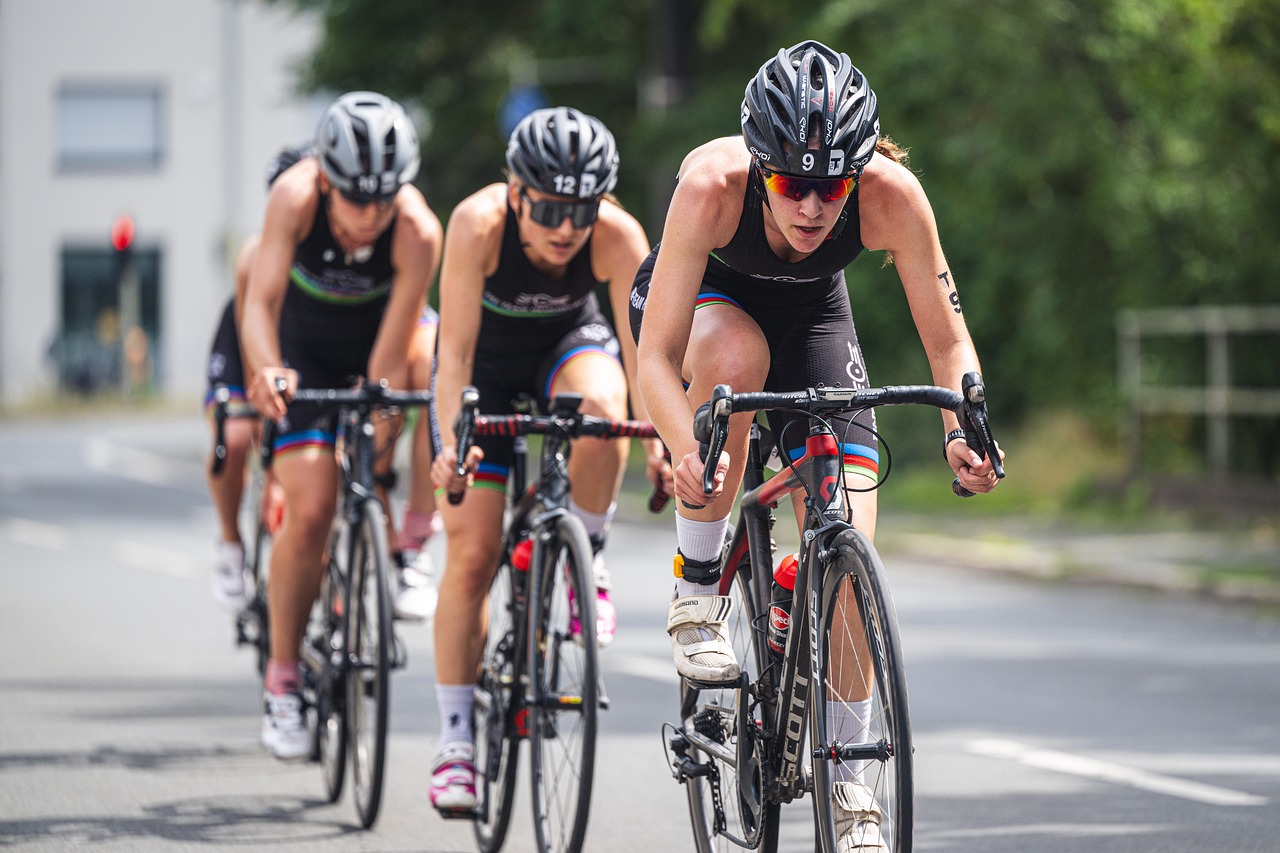
Advancing women’s professional cycling requires deliberate strategies to raise visibility and support at elite levels. Increasing media coverage of women’s events is essential in captivating audiences and validating female athletes’ efforts. Greater sponsorship investments in women’s cycling teams can ensure competitiveness and professional growth. It is vital for cycling federations to implement equitable prize structures that recognize women’s performances, reflecting their investment in the sport. By promoting events featuring both men’s and women’s competitions, federations can attract diverse audiences, boosting interest and support. Educational initiatives are necessary to increase public understanding of the skill and dedication required in professional cycling. By highlighting success stories and achievements, it becomes evident that women, too, are worthy of recognition and support. Encouraging diversity within professional teams can foster innovation and resilience, attracting talent from various backgrounds. As more female cyclists attain professional statuses, they themselves advocate for women’s rights in sports, multiplying their impact. Mentorship programs for aspiring athletes—pairing them with seasoned professionals—can nurture talent and sustain growth. By placing a concerted effort towards advancing professional women’s cycling, the sport can cultivate a generation of empowered female athletes.
The future of women’s cycling is promising, bolstered by ongoing advocacy, community building, and structural changes. Continued efforts to support representation and visibility have shaped new narratives around women in cycling. By ensuring accessibility, fostering inclusivity, and creating safe spaces, the cycling community can draw in aspiring cyclists from all walks of life. Collaboration within communities, local businesses, and cycling organizations heightens the impact of advocacy efforts. The momentum generated through collective action empowers women to pursue cycling and embrace the sport’s challenges. Advocacy campaigns targeting policy changes can initiate shifts in how women athletes are perceived and treated. As more women participate, they inspire others by breaking stereotypes and demonstrating cycling’s benefits for health and well-being. Each story shared echoes the importance of resilience and determination. As women cyclists are empowered, they often inspire future advocates, forming cycles of change that promote growth. The expectation is that as advocacy efforts continue to evolve, more women will find empowerment and community through cycling, empowering generations to come to embrace the sport. Collective momentum holds the potential to revolutionize women’s cycling into an arena of pure equity and access for all.
This commitment to transformation across all levels ensures the long-term sustainability of women’s cycling. Emphasis on empowering women through comprehensive training, education, and mentorship can accelerate growth and racial representation within the sport. Celebrating milestones achieved by women in cycling communities establishes benchmarks for continued progress, serving as motivation for newcomers. Strategic alliances between cycling clubs, educational institutions, and advocacy organizations foster opportunities for networking and knowledge sharing. The future depends on unwavering support from all stakeholders, including sponsors, media outlets, and cycling enthusiasts. Women’s cycling advocacy enriches the cycling community, influencing broader societal perceptions of women in sports. By maintaining momentum and fostering empathy around experiences, advocates shape a supportive landscape where all cyclists flourish. The unwavering resolve of women cycling advocates is crucial in navigating challenges and achieving meaningful change. Yearly events showcasing the achievements of women cyclists can help garner support and funding. Recognized events can further encapsulate the spirit of resilience and empowerment. It is through such collaborative journeys that women’s cycling advocacy ignites passion and creates a new chapter in cycling history that celebrates equality.