
Weightlifting and Hormonal Health in Women
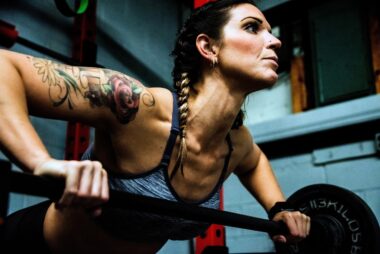
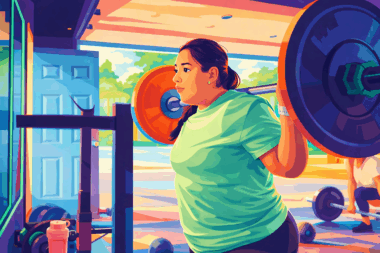
Weightlifting can significantly impact hormonal health in women, promoting overall well-being and vitality. It is essential to recognize how regular strength training can positively affect hormones such as estrogen, progesterone, and testosterone. These hormones play vital roles in reproductive health, bone density, and muscle mass. Engaging in weightlifting not only strengthens muscles but aids in hormone regulation, promoting a balanced metabolism. Women may experience hormonal fluctuations due to various factors such as age, stress, and lifestyle choices. Incorporating weightlifting into a fitness routine helps stabilize mood and energy levels. Furthermore, it fosters emotional resilience by enhancing self-confidence and body image. All these benefits make weightlifting a powerful tool for women seeking to improve their health. To maximize the effects on hormonal balance, it’s crucial to adopt a comprehensive fitness plan, emphasizing proper nutrition, adequate rest, and consistent training schedules. Women should consider working with a trained coach to ensure the execution of proper techniques. Educating oneself about the hormonal effects of weightlifting can significantly empower women, encouraging them to embrace this transformative journey towards better health.
One of the prominent advantages of weightlifting for women is its influence on estrogen levels. Estrogen is crucial for women’s reproductive health and bone density, especially as they age. Studies suggest that engaging in resistance training helps to boost estrogen levels, leading to better fertility rates and healthier menstrual cycles. Moreover, weightlifting helps in reducing body fat, which is essential since excess fat can produce estrogen and cause imbalances. By focusing on strength training, women can manage their weight effectively while enjoying additional hormonal benefits. Furthermore, resistance training enhances muscle mass, which in turn contributes to higher basal metabolic rate. This means that women will burn more calories even at rest. Increased muscle mass and decreased body fat promote greater energy levels and emotional stability. Women should thus consider incorporating various weightlifting routines, like compound exercises or circuit training, to maintain their metabolic rate elevated. Additionally, as women become more aware of the hormonal health benefits derived from weightlifting, they start lifting heavier weights to challenge their bodies. This progressive overload is necessary to push past fitness plateaus and encourage further improvements in hormonal health.
Weightlifting Improves Insulin Sensitivity
Another significant benefit of weightlifting for women’s hormonal health is improved insulin sensitivity. Insulin is a crucial hormone that regulates blood sugar levels and metabolism. Resistance training has been shown to enhance the body’s ability to process glucose and use it more efficiently. By incorporating weightlifting into their routine, women can fight insulin resistance and lower their risk of developing type 2 diabetes. Enhanced sensitivity allows for better energy utilization and weight management. Moreover, improved insulin sensitivity is linked to better hormonal balance, as it affects the regulation of other hormones, including cortisol and leptin. Cortisol is known as the stress hormone, and excessive levels can lead to various health issues, including weight gain and anxiety. Through consistent weightlifting, women can help control cortisol levels, aiding in stress reduction and promoting mental health. Sustaining a balanced blood sugar can also stabilize mood swings and cravings. It’s suggested to pair weight training with a nutritious diet rich in whole foods, which can further amplify the results. As women commit to this form of exercise, they’re not only sculpting their physique but also enhancing their hormonal health.
The role of weightlifting in regulating progesterone levels also deserves attention. Progesterone is crucial for women’s reproductive health, influencing menstrual cycles and pregnancy. Fluctuations in progesterone can result in various symptoms, including mood swings, bloating, and fatigue. Resistance training can encourage balanced progesterone levels, alleviating these troublesome symptoms. As women lift weights regularly, they cultivate a strong, balanced hormonal environment. Maintaining progesterone levels promotes overall stability and energy, making it easier to manage daily responsibilities. This regulation can lead to better sleep quality, which has profound effects on hormonal health. Quality sleep is essential for recovery, emotional well-being, and metabolism. Women who prioritize weightlifting often find themselves more energized throughout the day, allowing them to engage in other healthy habits. Being active also encourages women to maintain a nutritious diet, improving overall health. Furthermore, incorporating weightlifting does not have to involve long hours in the gym. Short, high-intensity training sessions can be incredibly effective at enhancing progesterone and overall hormonal balance. This accessibility makes weight training a valuable option for women wanting to improve their hormonal health.
The Mental Health Benefits of Weightlifting
Aside from physical benefits, weightlifting significantly impacts women’s mental health, closely linked to hormonal regulation. Regular strength training helps release endorphins, often termed the ‘feel-good’ hormones. These chemicals boost mood and reduce feelings of stress and anxiety. Many women experience reproductive-related stressors that can impact daily life, making effective management crucial. By adopting weightlifting as a form of exercise, women can cope with stress more efficiently. Furthermore, studies indicate that strength training may help mitigate symptoms of depression in women, making it a powerful, natural remedy. Women often report increased self-esteem and a sense of empowerment when they lift weights, as achieving personal fitness goals correlates with better emotional health. The social aspect of weightlifting, whether in group classes or gym environments, also fosters community and support. This shared experience can significantly enhance belief systems surrounding women’s health and fitness. More women embracing weight training will perpetuate a powerful transformative cycle, encouraging others to join in and discover the incredible benefits for themselves. Alongside these mental health benefits, weightlifting contributes significantly to achieving a harmonized hormonal environment.
Women should also consider focusing on recovery and listening to their bodies when engaging in weightlifting routines. Recovery plays a fundamental role in optimizing hormonal health. Intense workouts require proper rest and nutrition to support recovery. Weightlifting increases muscle protein synthesis and, if not met with adequate recovery, can lead to overtraining. This condition may subsequently disrupt hormone production, leading to symptoms like fatigue and decreased performance. To harness the full benefits of weight training on hormonal health, women should prioritize sleep, consume balanced meals, and schedule regular rest days. Active recovery, such as light stretching or yoga, can also be beneficial. Moreover, keeping track of individual responses to both training and nutrition can empower women to further tailor their approach. Utilizing journals or mobile apps to document feelings, energy levels, and workout performance can lead to informative insights. Understanding one’s body can enhance the weightlifting experience, ensuring progress while safeguarding hormonal balance. Women engaging in mindful weight training cultivated in a supportive community will significantly magnify the positive influence on hormonal health.
Conclusion: Embrace Weightlifting for Hormonal Health
Embracing weightlifting can be an empowering and positive decision for women’s hormonal health. With numerous benefits, including improved estrogen, progesterone, and insulin levels, as well as mental well-being, it’s clear that strength training offers transformative qualities. Women can shape their bodies, foster hormonal balance, and enhance emotional health through consistent effort. As more studies unveil the connection between weightlifting and hormonal health, women will become more accountable for their fitness goals. A culture of empowerment builds as women challenge societal norms surrounding strength and fitness. Encouraging discussions about hormonal health and physical activity fosters environments where women support each other’s journeys. It is also vital for women to seek proper guidance when integrating weightlifting into their routines, focusing on goals and personal fitness levels. Tailoring fitness regimens to individual needs ensures safety and maximizes results. As women fully engage with the positive effects of weightlifting, they are bound to experience the benefits in every facet of life. Start your journey today, embrace the mindset of strength, and witness remarkable transformations in your hormonal health.