
The Truth Behind Alcohol Calories: What You Need to Know
Alcoholic beverages come in many forms, and understanding their caloric content is essential. Many people believe that the calories in alcohol are not comparable to those in food. However, this is a common misconception. Alcohol contains calories that can add up quickly if not monitored. Different drinks have varying amounts of calories due to the ingredients used. For instance, sweet cocktails have more calories than light beers. Furthermore, drinking alcohol can stimulate appetite, leading people to overeat, which is another source of added calories. When consumed frequently, this can lead to weight gain. It’s also crucial to note that alcohol is categorized as an empty calorie source, meaning it provides few nutrients compared to its calorie contribution. Therefore, those trying to manage their weight should pay special attention to their alcohol intake. Implementing moderate drinking habits can help minimize the unnecessary calorie intake associated with these beverages, ensuring that you enjoy without compromising your dietary goals. Educating yourself about different drink choices is vital, allowing for healthier decisions during social occasions or casual outings. Choosing lower-calorie options can significantly impact your overall nutritional balance.
Understanding the sources of alcohol calories aids in making informed choices. When consuming alcoholic beverages, it’s essential to consider both the volume and type. Light beers and spirits, for example, tend to be lower in calories compared to sweet liquors and sugary cocktails. Many also underestimate the caloric values of mixers. Soda, fruit juices, and sweet syrups can add unnecessary calories to an otherwise moderate drink. Reading labels can provide clarity on what you’re consuming. It’s imperative to remember that regular consumption and portion sizes have significant effects on overall caloric intake, often leading to unintended weight gain. For better management of calories, stick to standard measurements: one drink equals one 12 oz beer, one 5 oz glass of wine, or one 1.5 oz shot of spirits. These portions help in visualizing and controlling your intake. Furthermore, it’s important to remain aware of the impact of alcohol on metabolism. The body processes alcohol differently than food, diverting energy away from fat burning as it focuses on alcohol. This unique processing can lead to increased fat storage if alcohol is consumed excessively. Ultimately, moderation is key when factoring alcohol intake into your nutrition planning.
Your Drinks Count: How to Properly Count Alcohol Calories
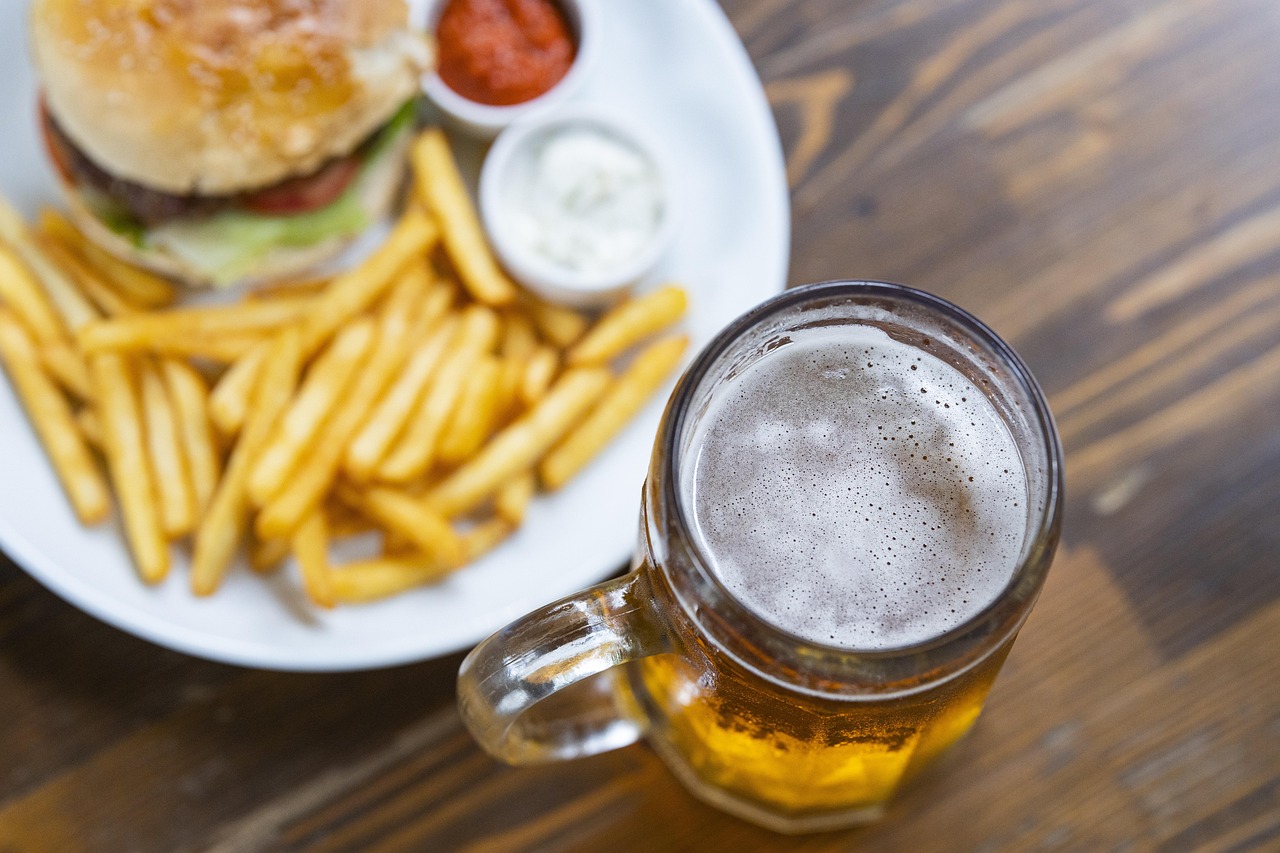
One of the primary reasons people overlook alcohol’s caloric impact is a misunderstanding of how to count those calories correctly. Many people fail to include alcohol in their daily calorie counting, often underestimating consumption. This oversight can lead to exceeding daily caloric goals without realizing it. To properly account for alcohol calories, begin by familiarizing yourself with standard drink sizes and their respective caloric values. Note that 12 ounces of regular beer can yield around 150 calories, while 5 ounces of red wine can hold up to 125 calories. Mixed drinks, depending on their ingredients, can range much higher. For instance, a single margarita can contain 200 calories or more. Additionally, keep track of your consumption frequency. When drinking socially, it might feel easy to lose track of how many servings you’ve had, leading to unintentional overindulgence. Maintaining a drink log during events can be a beneficial way to recognize your alcohol intake more accurately. By consciously documenting your drinks, you can align your choices with your dietary goals, promoting overall healthier habits without sacrificing enjoyment.
Another commonly held misconception about alcohol is the notion that diet drinks are always healthier. While diet mixers may reduce the calorie count of your drink, they can also affect metabolism. Research indicates that artificially sweetened products may disrupt the body’s natural hunger signals, potentially leading to increased cravings later. Understanding these factors helps in making better beverage selections. Additionally, it’s vital to recognize the role of drinking patterns. Consuming alcohol in a single sitting may lead to a more intense impact on your body, whereas moderation typically implies slower effects. Drinking more than the standard intake can compromise judgment, leading to poor food choices or even binge eating. Pairing alcohol with food is also an area to consider. Snacking while drinking can exacerbate calorie intake due to the combination of both food and alcohol. Therefore, maintaining awareness of your surrounding choices is critical. Opting for healthy appetizers can help counteract the caloric effects of drinks. Finally, examine drinking occasions. Regular indulgence may also psychologically condition individuals to eat more. Whenever possible, aim to incorporate mindfulness practices into your drinking routine to maintain long-lasting health.
Alcohol and Nutrition: Hormonal Effects and Implications
The effects of alcohol extend beyond just simple caloric intake. Frequent alcohol consumption can lead to hormonal imbalances, impacting overall health and nutrition. Alcohol can interfere with vital hormones responsible for hunger and metabolic regulation. For instance, elevated cortisol levels can arise from habitual drinking, leading to increased appetite and fat storage, especially around the abdomen. This hormonal disruption may contribute to the challenges of weight management, further complicating dietary efforts. It’s important to monitor these subtle impacts while enjoying the social aspects of drinking. To combat these effects, consider moderation. Limiting alcohol intake allows the body to maintain balance, reducing negative hormonal shifts. Incorporating breaks from alcohol consumption can aid in resetting your body’s hormones. It is also beneficial to pair your intake with nutrient-rich meals, as this helps in stabilizing blood sugar levels. Proper hydration should also accompany alcohol consumption, as dehydration can heighten the likelihood of hormonal imbalances. Focusing on nutrition helps to mitigate the adverse effects of alcohol, forming a layer of protection for your health while still allowing enjoyment in social situations.
Alcohol calories may often seem insignificant, but they accumulate over time and have future consequences. Especially for individuals seeking weight loss, regular alcohol consumption can easily sabotage progress by providing a surplus of calories with little nutritional value. This underscores the importance of balance in any diet. Weight loss strategies must factor in drink selections and portion sizes to enhance results. As previously mentioned, consider choices wisely when at a bar or social gathering. Opt for lower-caloric beverages when possible and understand how pairing food with drinks influences overall caloric consumption. Rather than reaching for sugary cocktails, focus on lighter beer options or spirits mixed with low-calorie sodas. Equally essential is self-regulation regarding consuming alcohol. Setting limits for occasions can help manage caloric intake while allowing enjoyment. When planning your week, try allocating specific days for drinking versus focusing on nutrition. Having designated times can help create a healthy routine while providing the flexibility to socialize. Remember that physical activity plays an important role as well, so combining exercise with mindful drinking can create a sustainable lifestyle that balances enjoyment and health successfully.
Conclusion: Navigating Alcohol’s Place in Your Diet
In conclusion, understanding the impact of alcohol on nutrition is crucial for decision-making regarding drinking habits. Recognizing that alcohol can contribute significantly to caloric intake and affect overall metabolism enables individuals to make healthier choices. This knowledge fosters mindful drinking and encourages moderation, allowing you to enjoy social situations while staying in control of your nutrition. Explore lower-calorie options and remain aware of mixers and food pairings to create a balanced approach. Always remember the hormonal influence alcohol can have and give space for breaks that allow your body to regain balance. Seek healthier substitutes and implement regular exercise to maintain weight management goals. Ultimately, making informed decisions regarding alcohol consumption offers an opportunity to savor occasions without unnecessary guilt toward nutrition. For more guidance on alcohol choices and nutritional impact, consult resources that elaborate on dietary guidelines, allowing you to enjoy responsibly. Adopting a holistic approach to addressing alcohol within your diet supports both health goals and social enjoyment, promoting a healthier lifestyle overall. Education and moderation come together to create an environment of balanced living, ensuring sustainable positive health outcomes while having fun.
Understanding Alcoholic Beverages
Knowing the basics about alcoholic beverages will help you make wiser choices at gatherings or when relaxing after a long day. There is a variety of drinks, ranging from beers to cocktails, each with its unique caloric contribution. Beer tends to be lower in alcohol content than hard liquors, which means it generally has fewer calories per ounce. On the other hand, cocktails can be quite deceiving, as they tend to mix various ingredients that significantly raise their calorie count. For instance, margaritas and piña coladas often contain fruits and syrups, contributing added sugar and resulting in higher calories. Wine, while often considered a healthier choice, still contains sugars and should be consumed in moderation. Each type of drink you choose has its own caloric value that should be accounted for, especially if you’re aiming to lose weight or maintain current weight levels. Educating yourself on the average calories in different alcoholic beverages can help you stay within your desired caloric intake while enjoying your time socially. Finding lower-calorie options can significantly change your approach, focusing on balance and moderation rather than deprivation.