
The Truth About ‘Bulking’ and ‘Cutting’ Phases in Men’s Fitness
In the world of fitness, particularly among men, the terms ‘bulking’ and ‘cutting’ often generate both intrigue and confusion. Bulking refers to a phase where the goal is to increase muscle mass through a calorie surplus. This requires careful planning around diet and workout routines. On the other hand, cutting typically aims to reduce body fat while maintaining lean muscle, achieved through a calorie deficit. Understanding the science behind these phases can clarify why certain approaches are common among fitness enthusiasts. However, blindly following common practices without understanding individual needs may not yield desired results. Furthermore, misconceptions surrounding these terms can hinder progress. For instance, many believe that bulking always leads to unwanted fat gain, while cutting might lead to muscle loss, both of which can be avoided by employing smart strategies. By tailoring diet plans and workout routines to personal goals, men can navigate bulking and cutting effectively. Addressing fitness myths directly can enhance motivation, ensuring that men embark on realistic and effective fitness journeys, equipped with the knowledge needed to optimize workouts and dietary strategies.
Understanding Bulking
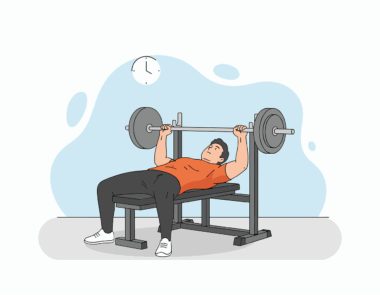
Bulking is not just about increasing caloric intake; it involves strategic planning and execution. A common misconception is that one can eat whatever they want during this phase, which can lead to substantial fat gain. Successful bulking necessitates a balanced diet rich in proteins, healthy fats, and carbohydrates. It’s crucial to prioritize nutrient-dense foods for overall health and body composition. Tracking macronutrients helps ensure that men consume the right ratios to maximize muscle growth with minimized fat gain. Lifting heavier weights and focusing on compound movements during workouts are also essential aspects of effective bulking. These movements recruit multiple muscle groups, driving the strength gains necessary for noticeable results. Moreover, it’s wise to plan bulking phases to last a few months—this timeframe allows the body to adjust and effectively build muscle. Remember that patience is key; quick results are not common in this journey. Gradual increases in weight and volume will yield better adaptations in strength and size over time, making bulking a nuanced and carefully managed process for those serious about muscle gain.
Cutting requires a different mindset and approach compared to bulking. The main objective is to reduce body fat while preserving as much muscle mass as possible. Many men struggle during this phase since caloric restriction can lead to fatigue and a lack of energy. However, the right combination of diet and exercise can help maintain performance levels even in a deficit. It’s important to include enough protein in the diet to support muscle retention while using cardio strategically for fat loss. Intervals and steady-state cardio can be incorporated into weekly routines effectively. One common mistake during cutting is losing hope too early; it is important to understand that body composition changes take time, and relying solely on the scale can be misleading. Instead, assessing progress through measurements or how clothes fit can provide more insights. Maintaining motivation is also essential during cutting phases, as the process can be arduous. Setting achievable short-term goals and celebrating small victories can help keep spirits high throughout the duration. Consistency with proper nutrition and training can create significant improvements, leading to a healthier and leaner physique.
Common Myths in Bulking
There are many myths when it comes to bulking that can mislead those eager to gain muscle. One major misconception is that one must consume excessively high calorie counts to see results. While a calorie surplus is necessary, excess calories beyond a certain point often lead to unwanted fat gain rather than muscle growth. Another myth is that all weight gained during this phase is muscle; some fat is inevitable during a bulking phase. The key is to ensure that the weight gained is primarily muscle through a calculated approach. Additionally, some think that cardio should be completely avoided during bulking. However, moderation in cardio can help maintain cardiovascular health and improve recovery rates. It’s also worth noting the importance of rest; many men inadvertently overtrain during this period, thinking more workouts equal more gains. Recovery is essential for muscle growth, and proper sleep and rest days are crucial components of any successful bulking strategy. Understanding these myths and correcting them can lead to more successful and efficient bulking experiences.
Another myth that needs debunking is the idea that men should completely forgo all carbohydrates during cutting phases to lose fat. While reducing carbohydrates is a common strategy, eliminating them entirely is not necessary. Carbs can be strategically consumed around workouts for energy; this timing helps maximize efforts in the gym. Furthermore, many men underestimate the significance of hydration during both bulking and cutting. Staying properly hydrated aids in performance and recovery, more than many realize. Another fallacy is equating fat loss with weight loss—while scales might show a decrease, they don’t account for muscle preservation. It’s critical to focus on body composition changes rather than solely on numbers. Effective cutting strategies focus on nutrient timing instead of restrictive diets that could lead to muscle loss. Additionally, some believe supplements alone can replace a good diet, which is untrue; no supplement can substitute the diverse nutrients from whole foods. By debunking these myths, men can adopt more evidence-based approaches to cutting that encourage muscle retention and improved aesthetics.
Conclusion: Phase Planning
For successful bulking and cutting, proper planning and understanding is crucial. Exercise, nutrition, and recovery must be tailored to match the goals of each phase. Building a comprehensive strategy ensures that development occurs in a healthy manner. Both phases serve specific purposes to aid progress in overall fitness journeys, and avoiding common misconceptions is essential. Planning phases often includes tracking progress chronologically, making necessary adjustments along the way helps men understand their bodies better as they evolve. Being mindful of macronutrient intake and quality of food proves advantageous for those engaged in rigorous lifting routines. Furthermore, consulting with fitness experts or nutritionists can provide personalized guidance, enhancing results. It’s worthwhile to think of fitness journeys in terms of seasons; each phase requires focus, intent, and a disciplined mindset. Results cannot always be recognized immediately, but with continuous effort, persistence will lead to success. With many layers to consider, embracing the challenges of both bulking and cutting phases allows for strength and conditioning advancements, enabling men to achieve their desired fitness outcomes.
Fitness is a personal endeavor that requires individual assessment and understanding. Every individual’s body responds differently to training and diet strategies. Therefore, it’s essential to find what works best for personal goals. Adapting approaches based on experience and results not only enhances physical capabilities but also boosts confidence levels. Keeping education at the forefront can help men navigate the complex landscape of fitness, preventing frustration and misinformation. Embracing the journey itself is as essential as reaching the finish line; celebrating progress, however small, leads to sustained motivation. Remaining open to trying various methods, consulting with peers or professionals, and continuously learning equips men with the tools necessary for long-term success. Additionally, promoting a community of like-minded individuals can foster accountability and support along the way. By understanding the core concepts of bulking and cutting phases, men can optimize their fitness journeys. Cultivating patience and discipline will yield better results, ultimately leading to a healthier lifestyle. The truth behind bulking and cutting lies in knowledge, carefully planned actions, and understanding personal capabilities within the fitness realm.