
The Science Behind Adaptive Fitness and Cardiovascular Health
Adaptive fitness has emerged as an essential field focused on helping individuals with disabilities improve their physical health, particularly their cardiovascular health. Engaging in regular physical activity is vital for everyone, but it holds special significance for those with disabilities. These individuals often face unique barriers to exercise, making adaptive fitness programs crucial. By designing tailored workouts, adaptive fitness specialists can provide effective solutions that cater to the varied needs of individuals with disabilities. With the right adaptive fitness program, participants can increase their cardiovascular endurance, enhance their overall strength, and improve their wellbeing. Research indicates that cardiovascular health significantly influences longevity and quality of life, underscoring the importance of accessible fitness options. Moreover, integrating adaptive fitness into everyday routines can empower individuals with disabilities, fostering independence and improved self-esteem. In this context, adaptive fitness is not merely about exercise; it is about creating an inclusive environment that promotes health and wellness for all. Individuals must be encouraged to explore adaptive programs tailored specifically to their needs, helping them achieve their fitness goals effectively.
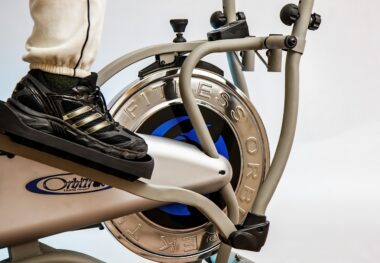
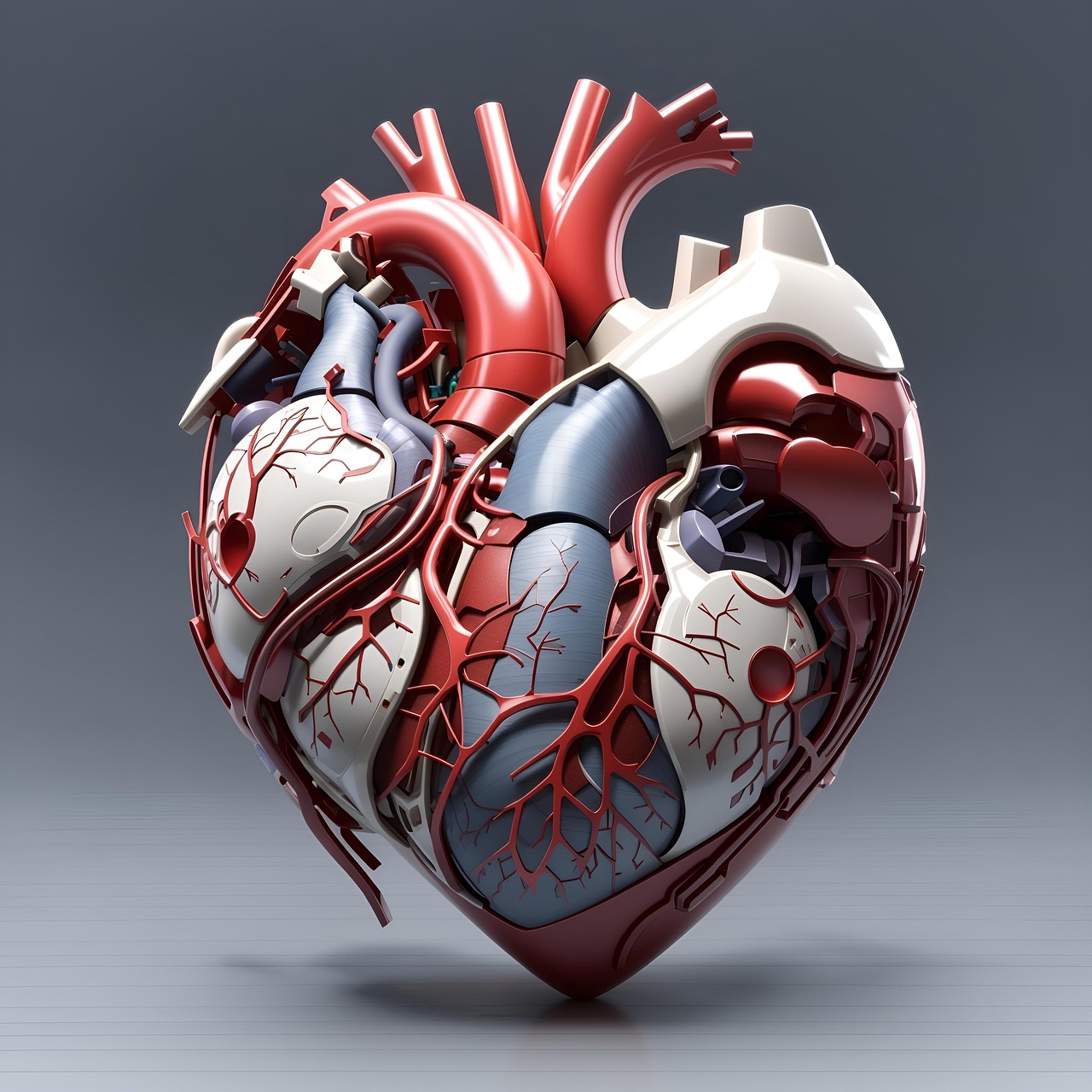
To understand the impact of adaptive fitness on cardiovascular health, it is essential to recognize how cardiovascular disease affects individuals with disabilities. Cardiovascular diseases encompass various heart-related conditions, including heart attacks, stroke, and hypertension. These conditions can be more prevalent in individuals with disabilities due to sedentary lifestyles, medication side effects, and other health complications. Consequently, adaptive fitness routines can mitigate the risk of developing cardiovascular issues. Through activities designed to elevate heart rates safely and effectively, individuals can experience enhanced blood circulation and increased heart strength. Some effective adaptive fitness activities may include cycling, swimming, and functional movements that accommodate different abilities. Strength training can also play a role in improving cardiovascular health, as it helps build lean muscle mass, which in turn can lead to increased metabolism and improved cardiovascular function. Emphasizing endurance exercises can foster heart health while allowing for modifications to suit individual capabilities. Overall, a comprehensive approach incorporating various fitness elements provides individuals with disabilities the tools they need to manage their cardiovascular health effectively.
The Role of Nutrition in Adaptive Fitness
Nutrition plays a vital role in fostering optimal cardiovascular health while participating in adaptive fitness programs. For individuals with disabilities, understanding proper nutrition can make a substantial difference in achieving fitness goals. A balanced diet, rich in nutrients like fruits, vegetables, whole grains, lean proteins, and healthy fats, contributes significantly to heart health. Proper nutrition helps reduce inflammation, lower cholesterol levels, and manage blood pressure, further supporting cardiovascular well-being. Adaptive fitness programs often emphasize the need for hydration, particularly during physical activities. It is crucial to encourage individuals to drink sufficient water before, during, and after exercise to maintain optimal performance and recovery. Moreover, collaboration with registered dietitians can empower individuals to create personalized nutrition plans aligned with their fitness objectives. Including foods rich in omega-3 fatty acids, such as fish, can also promote cardiovascular health. Additionally, education surrounding portion control and mindful eating can support individuals in making healthier food choices, further enhancing their adaptive fitness journey. By integrating nutrition education into adaptive fitness programs, individuals can address their needs for a holistic approach to health and wellness.
Another important aspect of adaptive fitness for cardiovascular health is setting achievable goals. Establishing realistic short-term and long-term goals can motivate individuals and track their progress over time. When participants set specific, measurable, attainable, relevant, and time-bound (SMART) goals, they are more likely to remain committed to their fitness routines. This structured approach helps foster accountability, encouraging individuals to push themselves while staying within their physical limits. For example, a person might aim to engage in adaptive cardio activities for 15 minutes daily by gradually increasing the duration or intensity of their workouts. These incremental achievements build confidence and promote a sense of accomplishment. Tracking progress not only reinforces motivation but also enables adaptive fitness instructors to modify programs based on individual needs and capabilities. Recognizing one’s achievements, whether starting a new exercise or completing a certain distance, is an essential component of the adaptive fitness journey. Progress can also be celebrated subjectively, as improvements can impact various aspects of life, including physical health and overall mental well-being.
Community and Social Benefits of Adaptive Fitness
Participating in adaptive fitness programs provides individuals not only with physical benefits but also social and emotional advantages. Engaging in group fitness activities fosters a sense of community, enabling relationships to thrive among participants. For individuals with disabilities, these social interactions can be particularly valuable, as they provide support and encouragement. Group settings promote motivation through shared experiences and collective goals. Making friends within such contexts can help combat feelings of isolation or loneliness often associated with disabilities. Additionally, community involvement can instill a sense of belonging, which is vital for mental health and overall well-being. Celebrating each other’s successes within the group cultivates a positive atmosphere for self-improvement. Adaptive fitness programs often have structured social events, workshops, or competitions that facilitate social bonding. Through shared interests, individuals are more and more likely to explore new activities together. Furthermore, engaged communities raise awareness about disabilities and the importance of inclusion in fitness spaces. By involving themselves in such communities, individuals can lead the charge in promoting adaptive fitness and advocate for wider acceptance of inclusivity in overall fitness culture.
While physical and social benefits are significant, addressing psychological well-being is equally essential in the adaptive fitness journey. Participating in adaptive fitness programs can lead to reduced feelings of anxiety, stress, and depression among individuals with disabilities. Physical activity boosts the release of endorphins, often referred to as the body’s natural mood lifters. Moreover, exercising regularly can significantly improve self-esteem, body image, and overall mental health. Establishing a routine can instill a sense of discipline and purpose, positively influencing mood and reducing emotional distress. Adaptive fitness activities, once perceived as challenging, can transform into enjoyable experiences that foster empowerment and autonomy. Positive reinforcement from instructors and peers plays an important role in building an environment conducive to growth and emotional healing. Supporting mental wellness alongside physical fitness is crucial for holistic health improvements, ultimately leading to a higher quality of life. Therefore, integrating mental health resources within adaptive fitness programs—such as mindfulness practices, relaxation techniques, and emotional counseling—can help foster resilience and overall well-being.
The Future of Adaptive Fitness and Cardiovascular Health
As we move forward, the relevance of adaptive fitness will only grow, especially concerning cardiovascular health. As organizations, communities, and health providers recognize the importance of inclusion, innovative fitness solutions tailored for individuals with disabilities will continue developing. Advanced technology and adaptive equipment can facilitate increased participation, enabling individuals to engage in cardiovascular exercises more confidently and effectively. Furthermore, advancements in research will lead to enhanced training methods rooted in scientific knowledge, providing even greater benefits. There is ongoing advocacy around policy reforms that promote inclusive fitness programs in public spaces, ensuring equal access for everyone. Collaboration between fitness professionals and rehabilitation specialists will foster programs that meet diverse needs while maximizing safety and effectiveness. Additionally, awareness campaigns will continue to educate the public about the importance and benefits of adaptive fitness, encouraging individuals to embrace healthier lifestyles. An increased focus on mental and emotional health in these programs will ensure that participants receive holistic support. The future appears bright for adaptive fitness, as this essential component in managing cardiovascular health becomes more widespread and celebrated.
The ongoing dialogue surrounding adaptive fitness for cardiovascular health underscores its vital role in creating inclusive communities. All individuals, regardless of physical abilities, deserve access to fitness programs that cater to their unique needs. As society continues to recognize the importance of adaptability in fitness, we will see a shift toward broader inclusivity across facilities and programs. This change will inspire future generations to actively pursue healthier lifestyles free from the constraints of traditional fitness models. By promoting education and awareness around adaptive fitness, we can collectively showcase the benefits these programs offer for cardiovascular health, physical strength, and overall well-being. Ultimately, advocacy initiatives will play a critical role in shaping public perception and policy changes to support adaptive fitness initiatives. Creating a culture of acceptance and encouragement will empower individuals to explore their capabilities. In this landscape, health practitioners, policymakers, and fitness professionals must work together to cultivate inclusive environments that inspire individuals with disabilities to reach their fullest potential while improving their cardiovascular health. Adaptive fitness is not just a trend; it represents a transformative approach to wellness that must be embraced for the betterment of society as a whole.