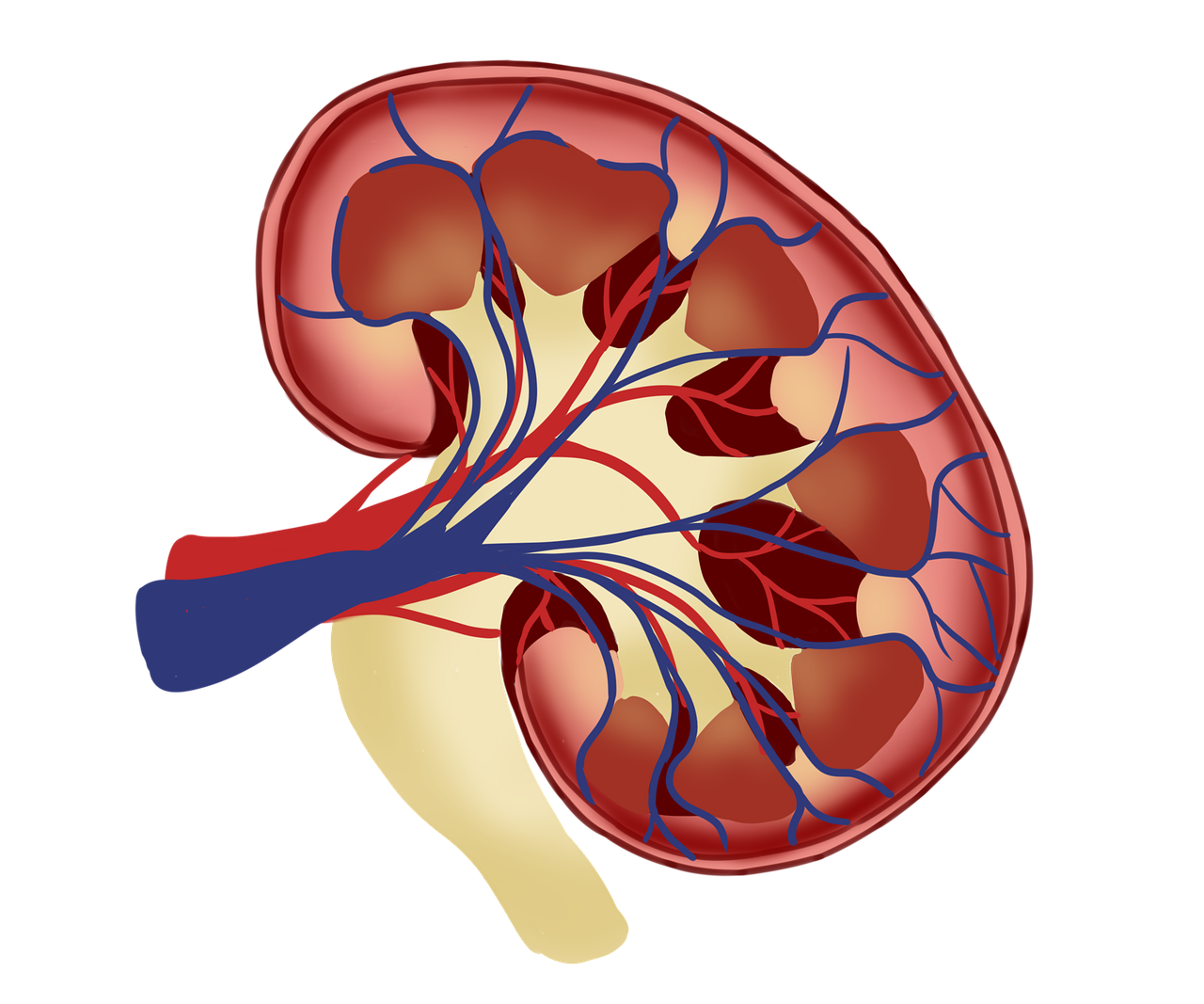

The Role of the Kidneys in Removing Toxins
The kidneys are integral organs in the human body that play a crucial role in filtering out toxins and waste products from the bloodstream. They maintain the body’s equilibrium by regulating electrolytes, blood pressure, and the balance of fluids. Every day, the kidneys filter roughly 150 quarts of blood, producing about 1.5 quarts of urine, which contains these harmful substances. This filtration process not only excretes waste but also reabsorbs essential nutrients and electrolytes that the body needs to function optimally while expelling toxins and excess ions. The kidneys thus serve as an essential cleaning system, purifying blood and maintaining homeostasis. Furthermore, they help in detoxifying medications and other substances, ensuring that dangerous compounds do not linger in the body. Understanding the importance of kidney health can lead to improved overall health and wellness. Regular check-ups and maintenance of a proper diet that supports kidney function are vital. Consuming sufficient water and avoiding excessive salt intake can enhance kidney performance, allowing for effective detoxification and cleansing.
In addition to filtration, the kidneys also contribute to the production of hormones that help regulate blood pressure and red blood cell production. They release erythropoietin, stimulating bone marrow to produce red blood cells, which transport oxygen throughout the body. Another important function is the production of renin, which helps control blood pressure. By doing so, the kidneys not only eliminate toxins but also support various bodily functions that rely on oxygen and proper circulation. Maintaining healthy kidneys is essential for promoting an effective detoxification process; poor kidney function can lead to toxin accumulation, which may cause serious health issues. Several factors can adversely affect kidney health, including diabetes, high blood pressure, and dehydration. Therefore, lifestyle choices play a significant role in kidney function. Eating a balanced diet rich in fruits, vegetables, and whole grains, along with staying hydrated, can significantly benefit kidney health. Additionally, avoiding excessive alcohol and smoking can help preserve kidney function and overall health. Being aware of the influence lifestyle habits have on kidney health is important for enhancing the detoxification process within the body.
Kidney Function in Detoxification
When discussing detoxification, it is crucial to understand how the kidneys contribute to this process. The kidneys filter the blood, removing waste products like urea and creatinine, which are byproducts of protein metabolism. This filtration process ensures that toxic substances do not accumulate in the bloodstream, allowing for their safe excretion. The kidneys utilize nephrons, the functional units, to perform this complex filtration, which involves glomerular filtration, tubular reabsorption, and secretion. During this process, the kidneys efficiently balance minerals and electrolytes, maintaining a stable internal environment while flushing out harmful substances. This delicate balance is crucial to overall health, as imbalances can result in severe consequences. Importance lies in recognizing how food and fluid intake affects kidney function. Consuming excessive amounts of processed foods can lead to the accumulation of toxins in the body, making kidney function even more critical. Therefore, incorporating natural, whole foods into the diet promotes efficient kidney function and boosts detoxification. Monitoring one’s diets, aimed at supporting kidney health, can greatly enhance the body’s ability to detoxify effectively.
Moreover, the kidneys can adapt their function based on hydration levels and dietary intake, which further emphasizes their flexibility in detoxification. When an individual is well-hydrated, the kidneys can efficiently flush out toxins and waste products, whereas dehydration can lead to concentrated urine, making the detoxification process less efficient. Staying adequately hydrated is essential for maintaining kidney health and enhancing the body’s detoxification capabilities. It’s also important to note that certain natural herbs and supplements can support kidney health and improve their detoxification functions. For instance, herbs like dandelion and nettle are believed to possess diuretic properties that can help promote the elimination of water and toxins from the body. Additionally, antioxidants found in fruits and vegetables play a pivotal role in combating oxidative stress and inflammation in kidney tissues. This can further support their ability to filter toxins effectively. Engaging in regular physical activity also benefits kidney health, as it promotes better circulation and encourages the detoxification process. Thus, a multi-faceted approach—including diet, hydration, and physical activity—is vital for optimal kidney function and effective detoxification.
Signs of Impaired Kidney Function
Understanding the signs of impaired kidney function is essential for recognizing potential health issues in the early stages. Common symptoms may include fatigue, swelling in the legs and ankles, difficulty concentrating, and changes in urine output. Individuals struggling with kidney issues might also experience nausea, shortness of breath, or persistent itching. Recognizing these symptoms prompts individuals to seek medical evaluation, allowing for timely intervention. Blood tests and urine tests can effectively assess kidney function and determine if detoxification processes are being compromised. Additionally, medical professionals may recommend imaging tests to further evaluate kidney structure and function. Individuals at risk, including those with diabetes or high blood pressure, should remain vigilant about these signs as early detection can lead to better management. It’s also crucial to associate these signs with lifestyle factors, as choices made in diet, hydration, and activity level can significantly impact kidney health. By maintaining awareness of these signs and their associated factors, individuals can promote better kidney function and enhance the overall effectiveness of the detoxification process.
Furthermore, proactive measures can be taken to support kidney health and mitigate the risk of impairment. Regular medical check-ups and proper management of chronic conditions, such as hypertension and diabetes, are fundamental. Monitoring lab values and kidney function tests can inform individuals about their kidney health status and give potential warning signs of any issues. Encouraging a diet low in sodium and rich in potassium and phosphorus can reduce the burden on the kidneys, allowing them to function optimally. It’s equally important to prioritize exercise and maintain a healthy weight, as obesity can strain the kidneys. Implementing practices like minimizing alcohol consumption and avoiding over-the-counter pain relievers can significantly benefit kidney health too. Taking preventive steps can enhance the efficiency of kidney functions, ultimately improving detoxification capabilities. Establishing a routine of kidney-friendly habits instills lifelong practices that enhance well-being. Knowledge about kidney function and how lifestyle choices influence detoxification emphasizes the integral role of kidneys in maintaining overall health.
Conclusion
In summary, the kidneys are vital organs that play a significant role in the detoxification process by filtering out toxins and maintaining the body’s fluid balance. Recognizing the importance of kidney health can lead to better lifestyle choices that promote effective toxin removal and overall well-being. Adopting a holistic approach that includes proper hydration, a balanced diet, and regular physical activity empowers individuals to support kidney function and enhance their detoxification processes. Awareness of the signs of kidney impairment and engaging in preventive measures provides individuals with the tools necessary for maintaining optimal kidney health. By prioritizing kidney wellness, one can significantly improve their body’s natural detox abilities, resulting in greater health outcomes. Continuous education about the kidneys’ role in detoxification fosters a deeper appreciation for these incredible organs and encourages proactive care. Ultimately, understanding the connection between kidney health, detoxification, and lifestyle choices empowers individuals to cultivate habits that promote overall wellness, leading to a healthier, toxin-free life. Learning about and caring for our kidneys enriches our understanding of health and well-being.
As we explore the intricate responsibilities of kidneys in detoxification, it becomes clear that they are not just passive organs but active participants in maintaining body equilibrium. Their role extends beyond mere filtration; they are involved in complex processes preventing toxins from causing harm. By adhering to healthy lifestyle practices, individuals can significantly enhance their kidneys’ ability to detoxify effectively. Regular kidney function assessments and personal health vigilance contribute to early detection, crucial to preserving kidney health and ensuring a smooth detox process. This understanding fosters a deeper engagement in personal health management and encourages responsible lifestyle choices. Through small, consistent efforts, individuals can support their kidneys, thereby optimizing the detoxification process and benefiting their overall health. Whether through dietary adjustments or incorporation of kidney-friendly habits, being proactive leads to remarkable changes. Ultimately, a deeper comprehension of how the kidneys operate within the detoxification realm emphasizes their indispensable role in health. Engaging in enriching discussions about kidney function can further promote awareness, leading to broader health initiatives focused on prevention and education, which together form the backbone of effective health maintenance.