
The Role of Biofeedback Devices in Fitness Monitoring
Biofeedback devices, often utilized in fitness monitoring, are instrumental in providing individuals with real-time data about their physiological processes. These devices can measure various body metrics such as heart rate, muscle tension, and skin temperature. By utilizing sensors connected to the body, biofeedback devices offer valuable insights that help users understand how their bodies respond to different exercises and activities. This data not only enables individuals to track their progress effectively but also guides them in making informed adjustments to their workout routines. These devices can range from sophisticated gadgets like heart rate monitors to more accessible options like smartphone applications. They cater to a wide array of fitness enthusiasts, from novices aiming to improve their health to advanced athletes seeking to optimize their performance. The growing popularity of wearable technology reflects an increased awareness of health and wellness among the general population. Many of these devices even offer personalized feedback, enhancing the user experience. Incorporating biofeedback into a fitness regime can lead to more efficient workouts and improved overall well-being, promoting a healthier lifestyle that is both engaging and rewarding.
Biofeedback devices work by providing feedback from physiological functions that are usually involuntary, allowing users to gain a deeper understanding of their physical state. For example, a heart rate monitor can show how quickly a person’s heart beats during various levels of exertion and observe trends over time. This ability to track heart rate variability helps individuals identify their optimal training zones, which can significantly enhance the effectiveness of their workouts. Additionally, with advancements in technology, many biofeedback devices also integrate with other applications, providing comprehensive analysis tools. Users can visualize their progress through graphs and data trends, allowing them to set realistic fitness goals based on solid data. Moreover, the social aspect of sharing data with friends or online communities can increase motivation. Some devices offer features that allow users to join challenges, creating a sense of camaraderie and accountability. Tracking systems also make it possible for coaches and trainers to access their clients’ data, enabling personalized coaching and adjustments to training programs. This collaborative effort can lead to healthier lifestyles and enhanced athletic performance.
The impact of biofeedback devices goes beyond individual fitness tracking; they are also valuable for rehabilitation and recovery. Physiotherapists utilize these devices to assist patients in regaining strength and function after injury or surgery. For instance, biofeedback can help patients learn to control muscle movement effectively, which is crucial for recovery. By providing visual or auditory signals based on muscle activity, these systems help patients remain engaged and informed about their rehabilitation process. This feedback can encourage gradual progression while ensuring that exercises are performed correctly to avoid re-injury. Moreover, biofeedback can be integral in treating conditions such as chronic pain and anxiety, influencing recovery times positively. The insights gained can help address psychological barriers to exercise by promoting motivation. This increased awareness helps users understand their body mechanics better and can lead to long-lasting lifestyle changes. Studies suggest that patients who engage with biofeedback during rehabilitation often experience quicker recovery times and improved satisfaction with their treatment. Thus, the potential benefits of these devices are vast, extending their utility well beyond conventional fitness tracking.
Different Types of Biofeedback Devices
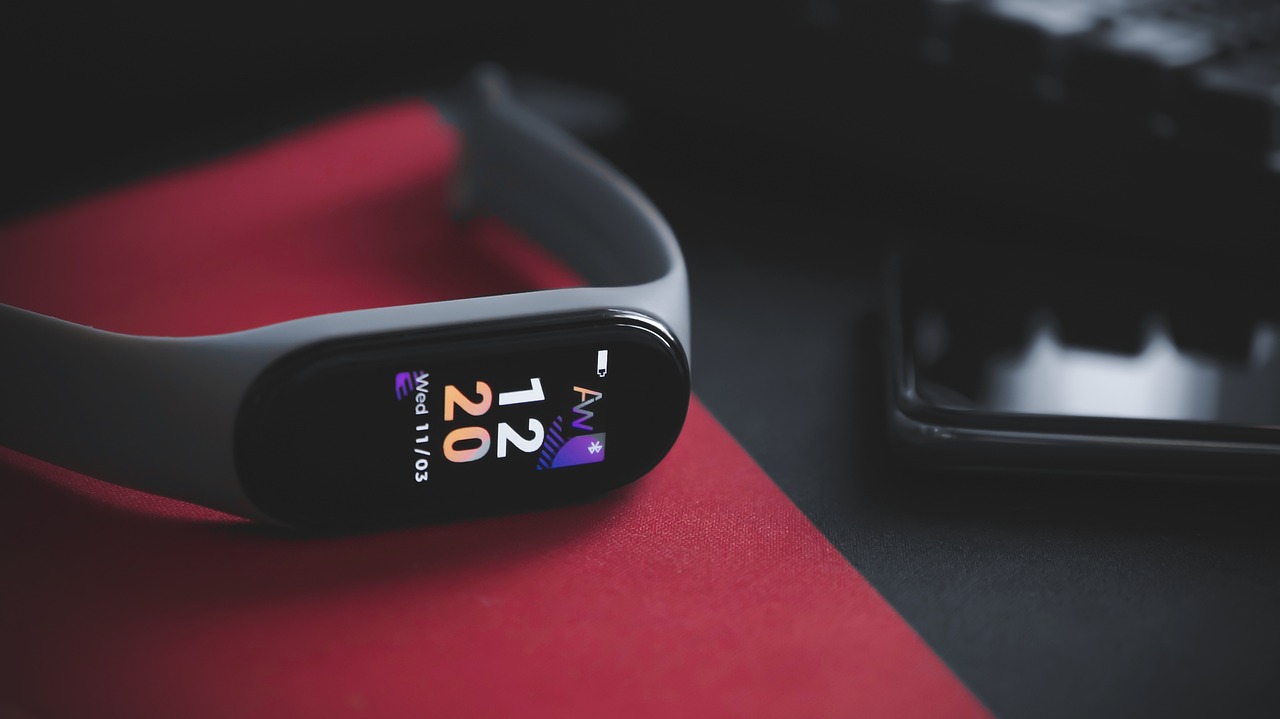
There are several types of biofeedback devices available, each catering to specific physiological metrics. Heart rate monitors are amongst the most popular, helping users manage cardiovascular output during workouts. These devices can range from wrist-worn fitness trackers to chest straps, offering varying degrees of accuracy and features. Another common type is electromyography (EMG) sensors, which measure muscle tension and activity. These are particularly beneficial for athletes seeking to balance strength and relaxation during training. Temperature sensors can also be utilized as biofeedback devices to monitor skin temperature, providing insights into the body’s stress response. Furthermore, brainwave activity can be measured using EEG devices, allowing individuals to explore relaxation techniques and mental focus. Each of these devices provides unique insights that can enhance fitness routines or therapeutic approaches. The combination of different tracking technologies can lead to a more holistic understanding of one’s health. Choosing the right type of biofeedback device often depends on the specific fitness goals and personal preferences of the user, ensuring that anyone can find suitable tools to support their health and well-being.
Additionally, the integration of biofeedback devices into fitness apps has revolutionized how users interact with their physiological data. These applications not only display real-time metrics but also offer guided workouts based on the user’s fitness levels and goals. This personalized approach to fitness is incredibly appealing, as it allows users to follow tailored plans that adapt based on their progress. Many applications also include educational resources that teach users about body mechanics and effective training techniques. Social features within these apps foster community, enabling individuals to share their achievements and progress with peers. This can cultivate a supportive environment that inspires ongoing commitment to fitness routines. In today’s fast-paced world, having access to fitness data autonomously can contribute to significant lifestyle changes. The gamification of fitness tracking encourages users to meet goals, unlocking rewards and recognition as they advance. This engaging approach makes the fitness experience enjoyable, further motivating individuals to stick with their health journeys. Ultimately, the dynamic relationship between biofeedback technology and fitness apps enhances user engagement, making the process of reaching fitness goals streamlined and rewarding.
The future of biofeedback devices appears promising, as advancements in technology continue to emerge. Innovations in wearable technology are making these devices more accessible, accurate, and user-friendly. Integration with artificial intelligence can enhance predictive capabilities, offering tailored recommendations to improve exercise efficacy. As healthcare providers recognize the value of biofeedback in preventative care and wellness management, we anticipate a wider adoption of these devices in clinical settings. Consequently, not only athletes but also the general public may have access to valuable health insights that promote proactive health management. Furthermore, as research continues to validate the benefits of biofeedback, we can expect more comprehensive applications, catering to a variety of fitness and health concerns. This integration could facilitate customized training plans designed to improve physical and mental health comprehensively. Moreover, the increasing connectivity of internet-of-things (IoT) devices will likely lead to greater interoperability, allowing various devices to share data effortlessly. As this trend progresses, biofeedback devices may revolutionize how we view health and fitness, leading to empowered individuals who understand their bodies intricately and make informed choices.
In conclusion, biofeedback devices play a crucial role in tracking and monitoring fitness progress. They provide invaluable insights into physiological processes that empower users to tailor their fitness strategies effectively. Featuring various devices like heart rate monitors, EMG sensors, and fitness apps, the options are diverse, catering to different needs and preferences. As technology continues to advance, these devices become essential components of fitness routines. Their integration with digital platforms fosters community, motivation, and accountability, adding layers of support for individuals striving for health improvements. Additionally, the applications of biofeedback extend beyond fitness enthusiasts to rehabilitation and mental well-being. Thus, the versatility of biofeedback devices makes them relevant across multiple domains, improving lives and fostering healthier societies. With exciting developments on the horizon, we can expect a transformative shift in how biofeedback devices influence our workout regimes and overall health awareness. Adopting these technologies represents a significant step toward enhancing personal well-being and achieving fitness goals that may have once seemed unattainable. The ongoing evolution of biofeedback devices is an inspiring journey worth following for anyone determined to thrive in their health endeavors.