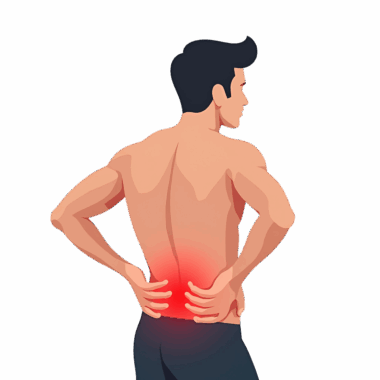

The Cost vs. Benefit of Paid Posture Correction Apps
Investing in paid posture correction apps can significantly benefit those seeking to improve their spinal alignment and comfort during daily activities. Initially, users may hesitate due to upfront costs, yet the long-term advantages can outweigh these initial expenditures. Having access to expertly designed algorithms and tailored exercise regimes makes a difference. Additionally, many apps provide comprehensive monitoring tools that offer users real-time feedback. Premium features often include user-specific data analysis and personalized recommendations that free versions lack. The importance of improving posture should not be understated, as poor alignment can lead to chronic pain and discomfort. Moreover, utilizing these apps can serve as a reminder to maintain proper posture throughout the day, ultimately fostering healthier habits. Moreover, many apps offer community support and professional advice, which enhances user engagement and motivation. By choosing a paid solution, users are more likely to commit to their posture correction journey and prioritize their health and wellness. Thus, weighing monthly subscriptions or one-time purchases against the potential for enhanced well-being is crucial before deciding on posture enhancement solutions.
Posture correction apps come with a variety of features designed to enhance user experience and effectiveness. Some offer video demonstrations of exercises that address posture alignment. Users can reference these videos to perform activities correctly, potentially maximizing their results. Other apps include gamification elements, providing rewards for users achieving goals related to posture. This strategy not only keeps users motivated but also creates an environment where improvement becomes enjoyable rather than tedious. Regular progress tracking, paired with reminders for exercises, contributes to the application’s effectiveness. Additionally, premium apps often provide physical therapy insights, empowering users to understand and improve their body mechanics. These informative resources educate users about the significance of good posture in preventing musculoskeletal issues. Furthermore, some apps integrate with wearables, allowing seamless tracking of user activity and posture corrections in real-time. Such innovative combination enhances feedback and compliance. Ultimately, the comprehensive approach offered by paid posture correction apps means users may experience more rapid and lasting results. It’s imperative to explore the array of features available to find the perfect fit for individual needs and lifestyle requirements.
Assessing User Needs and App Features
When considering posture correction apps, it is vital to assess personal needs and capabilities. Users should first consider their physical circumstances, such as existing postural issues or chronic pain conditions that drive their interest in these tools. This self-assessment guides the selection of applications tailored to specific goals, providing a pathway towards effective interventions. Furthermore, examining desired features such as reminders, analytics, and whether the application offers personalized plans is essential. The portability and accessibility of the app must not be overlooked; ideally, users should access these tools via mobile devices, enabling seamless use throughout daily routines. A distinguishing characteristic of effective posture correction apps is their adjustability to various body types and fitness levels. High-quality applications may offer customization options that cater to unique, individual challenges. Engaging with user reviews and feedback also adds transparency and can help inform choices. By conducting thorough research on both capabilities and user experiences, individuals can make educated decisions. Ultimately, the importance of selecting the right tool cannot be underestimated, as it directly impacts user satisfaction and results.
Many free posture correction apps can also be appealing for their cost-effectiveness, but they often lack the depth and features provided by their paid counterparts. Users may occasionally find limited functionalities, which may not adequately facilitate significant improvements. However, free apps can serve as preliminary options for those unsure about making a financial commitment. Users can evaluate their commitment levels and willingness to improve before considering paid options. Nonetheless, the effectiveness of free apps can vary widely, as they may experience limitations in user support and engagement features. These constraints could hamper progress or lead to reduced motivation over time. As a result, users may abandon their improvement journey altogether, which could exacerbate their posture issues. The risk of disillusionment increases without adequate guidance from qualified sources. This underscores the importance of weighing the potential benefits of investing in a paid app before opting for a free version. Users looking for substantial change should consider aligning their choice with their long-term health objectives when evaluating app options, especially in the pursuit of improved posture.
The Financial Aspect of Paid Apps
Financial considerations play a significant role when deciding between free and paid posture correction apps. Subscription fees and one-time purchases vary widely across platforms, making it essential for users to assess their specific budget constraints. Many users might be hesitant to invest significantly in their health, especially in a world where free alternatives exist. However, considering the potential long-term savings on healthcare costs due to improved posture is paramount. Investing in preventative measures can save users from future medical expenses associated with chronic pain or posture-related conditions. Furthermore, many paid apps provide a satisfaction guarantee, allowing users to test effectiveness before committal. Budget-conscious individuals should consider looking for promotions or discounts, which may help alleviate the initial sting of the expense. By approaching this investment with a broader perspective, users may find that the long-term benefits far exceed the costs involved. Evaluating the overall value, taking into account features, user engagement, and potential health savings, can support a rational decision. Ultimately, a well-informed choice can lead to a more enjoyable and rewarding user experience.
Moreover, the commitment required from users can significantly influence the effectiveness of posture correction apps. Consistency is crucial; users must diligently engage with the app to see real improvements. Paid apps often facilitate easier habits through integrated reminders and daily insights, enhancing their likelihood of user success. Active engagement can lead to faster results and sustained progress over time. The encouragement provided by these applications can motivate users to stick with their routines, increasing overall satisfaction with the app. Additionally, community features that allow users to connect with others striving for similar goals can foster camaraderie and shared experiences. The support from fellow users can enhance motivation, making the journey to improved posture feel less isolating. Compare the social features of free versus paid apps; paid apps often create a community of dedicated users that promotes healthy competition. By fostering an environment of accountability and shared learning, users may find the commitment to their health objectives more manageable. Thus, when considering the potential benefits of posture correction, engagement levels and commitment should never be underestimated.
Final Considerations
Ultimately, the decision between free and paid posture correction apps rests on individual preferences and goals. Users must weigh the potential benefits against the possible limitations of free applications. The depth of content and support found in paid apps often translates into improved user experiences and results. It is crucial to be aware of your unique needs as a user: whether you require comprehensive features, personalized recommendations, or community support will shape your choice. Exploring reviews and user testimonials can also illuminate the most effective apps based on others’ experiences. With a plethora of choices available, extra diligence ensures that users discover both valuable and engaging applications that meet their needs. A solution is possible that enhances spinal health, alleviates discomfort, and equips users with tools for self-improvement. As the online landscape of fitness technology continues to expand, finding the right app becomes a journey of discovery. Regardless of your choice, maintaining motivation and commitment to improving posture is essential. By investing time in selecting the appropriate tool, users set the stage for successful outcomes.
The integration of technology into our daily lives has brought about numerous tools aimed at enhancing our well-being, and posture correction apps are no exception. These applications not only serve as reminders to maintain proper posture but also provide users with essential resources to achieve their goals. Users looking at improving posture should evaluate their individual needs and consider the right type of app. With a range of options available, understanding the potential cost benefits can help users make informed decisions. By choosing paid apps that offer features aligned to their personal objectives, users can leverage technology for overall health improvement. While some users may initially resist spending money on these applications, it is vital to recognize the potential benefits that come with investment. Throughout this exploration of paid vs. free posture correction apps, users will discover essential aspects to consider. Ultimately, making an educated choice will lead to a more satisfying and effective experience. The decision to improve posture can greatly influence overall health, ensuring individuals remain active and free from discomfort. By embracing the right tools, lasting change is possible.