
Pilates for Athletes: Enhancing Spine Performance and Resilience
Pilates has gained significant attention among athletes for its unique focus on spinal health. It emphasizes core strength, stability, and flexibility, which are essential for peak athletic performance. By enhancing the alignment and function of the spine, Pilates contributes to improved body mechanics. This is particularly beneficial for athletes in high-impact sports. Proper spinal alignment reduces the risk of injuries and enhances agility and coordination. One primary reason athletes incorporate Pilates is the prevention of injuries. Many sports can lead to muscle imbalances, which can strain the spine. Regular Pilates practice counteracts these issues by reinforcing correct posture and engaging numerous muscle groups simultaneously, ensuring balanced development. Additionally, Pilates workouts often prioritize controlled movements, which help build muscle endurance, a critical aspect for any athlete’s training regimen. Integrating Pilates into the regular workout schedule can lead to noticeable changes in performance over time. The practice is adaptable to all fitness levels and can be tailored to address specific athletic needs, making it a valuable tool in optimizing athletic performance and overall body health.
The Importance of Core Strength
Core strength is vital for athletes as it stabilizes the entire body during rigorous physical activity. The core comprises muscles that support the spine and pelvis, creating a solid foundation for movement. Effective Pilates exercises focus on strengthening these core muscles, allowing athletes to perform with greater efficiency. When the core is robust, it enhances balance, coordination, and power, providing athletes with a competitive edge. Improved core strength also translates into better posture, which is crucial for maintaining spinal health during sports activities. Poor posture can lead to excessive strain on the spine and surrounding muscles, resulting in pain and discomfort. Pilates emphasizes alignment and controlled movements, enabling athletes to increase their awareness of how their bodies move. This awareness is vital for recognizing detrimental patterns that could lead to injuries. Various Pilates exercises specifically target core stabilization, including the ‘Plank’ and ‘Teaser.’ These movements train athletes to engage multiple muscle groups simultaneously, fostering a deep, integrated core strength. As athletes develop their core through Pilates, they experience enhanced resilience in their spine and improved overall performance.
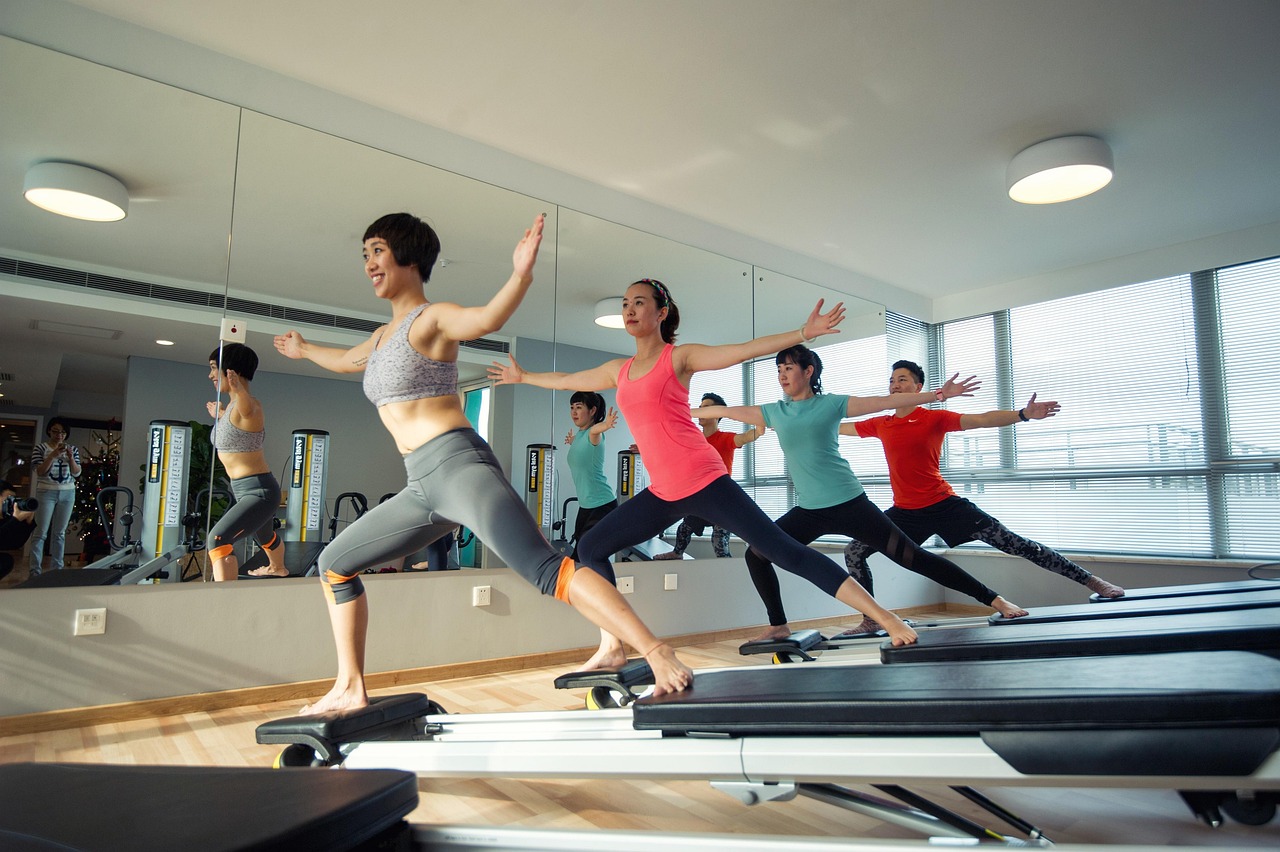
Flexibility is another essential element that Pilates enhances, particularly for athletes. Sports activities often require a wide range of motion, and reducing muscle tightness helps athletes perform better. Pilates effectively stretches and lengthens muscles, improving overall flexibility while promoting better spinal alignment. Enhanced flexibility minimizes the risk of injuries by allowing joints and muscles to move freely and efficiently. It also aids in recovery after intensive training sessions, facilitating muscle relaxation. Regularly performing Pilates enhances body awareness and coordination, qualities that are crucial for athletic success. Using equipment such as the Reformer can add resistance and assistance, enabling deeper stretches than bodyweight exercises alone. This allows athletes to achieve a more well-rounded workout. As athletes improve their flexibility through Pilates, they can perform movements with greater ease, reducing the energy expended during competition. Additionally, flexibility training can aid in muscle recovery post-exercise. Athletes benefit from increased blood flow and oxygen delivery to the muscles, leading to faster recovery times. Pilates serves as a powerful tool in developing flexibility and spinal health that boosts athletic performance.
Alignment and Posture
Proper alignment and posture are crucial in maintaining spine health, especially for athletes engaged in repetitive movements. In Pilates, special attention is given to these aspects throughout the practice, improving athletes’ overall biomechanics. Misalignment can lead to chronic pain and imbalances, negatively affecting athletic performance. By focusing on alignment, Pilates helps athletes develop a better understanding of their bodies. This awareness aids in correcting posture during both training and competitions. Exercises such as the ‘Swan’ or ‘Single-leg Stretch’ support spinal alignment, teaching athletes to integrate their core with their limbs effectively. Improved posture achieved through Pilates can reduce tension in the lower back, neck, and shoulders. This is particularly important for sports involving overhead movements, reducing the risk of injuries in those areas. Athletes who practice Pilates note that it allows for a more fluid range of motion and less tension during sports. This leads not only to enhanced performance but also to an overall reduction in discomfort experienced during workouts. Maintaining correct posture during training and competition helps athletes invest in their long-term spinal health.
Incorporating Pilates into an athlete’s conditioning program can significantly improve their kinetic chain, which is vital for peak performance. The kinetic chain refers to how the body coordinates movement through interrelated parts, including the spine, hips, legs, and arms. Pilates enhances this interconnectedness, ensuring that all body parts work harmoniously during athletic performances. This method emphasizes the importance of movement patterns that lead to more efficient performance and special attention is given to spinal movements. By increasing awareness of how each segment of the body interacts, athletes can reduce wasted energy. As a result, they move more fluidly, allowing them to execute athletic skills more effectively. Further, Pilates helps strengthen not only the primary muscles used but also the stabilizing muscles that support joints. This comprehensive approach reduces the likelihood of injuries during high-impact sports activities. Additionally, a stronger kinetic chain enhances recovery processes. Athletes who can effectively engage their entire body during training will recover faster after strenuous efforts, ultimately maximizing their performance potential on the field or court.
Mind-Body Connection in Pilates
One of the key benefits of Pilates for athletes is its focus on the mind-body connection. This involves cultivating awareness of bodily movements while executing exercises, which enhances overall performance. By fostering mindfulness, athletes become more attuned to how their bodies function, leading to better coordination and control. Increased body awareness can result in refined technique in various sports. Furthermore, understanding how to engage specific muscle groups optimally helps prevent injuries. Pilates encourages athletes to maintain concentration, which is crucial during intense training and competitions. As mental focus improves, athletes can push through physical barriers and maintain a higher training intensity. This intensified focus can lead to greater dedication to exercise regimens, resulting in substantial progress over time. The slower paced rhythm of Pilates contrasts with many high-energy workouts, aiding in teaching patience and persistence. Beyond physical benefits, Pilates promotes mental clarity and relaxation. These psychological aspects are vital in enhancing an athlete’s resilience. Stress relief contributes to improved training sessions and performance under pressure. Thus, the mind-body connection forged during Pilates yields remarkable benefits that extend beyond the studio practice.
The preventative nature of Pilates cannot be overstated, as it emphasizes injury prevention through supportive exercises that promote spinal health. Athletes subject their bodies to intense physical demands, which can lead to wear and tear on joints and muscles. Regular Pilates practice strengthens the muscles surrounding the spine, providing better support and reducing the likelihood of injury. Additionally, consistent training improves flexibility, allowing joints to move through their full range of motion without strain. This is particularly effective in sports that require repetitive motions, as it can help to mitigate the cumulative stress on the body. Another critical aspect of injury prevention is understanding personal limits. Pilates encourages athletes to listen to their bodies, fostering an awareness of when to push harder and when to rest. This is essential for balanced training and long-term athlete health. With regular Pilates sessions, athletes not only enhance performance but also increase their overall resilience against injuries. By addressing muscular imbalances and enhancing overall body mechanics, Pilates serves as an essential component of an athlete’s training arsenal, ensuring a long and healthy career in sports.
Conclusion: Embracing Pilates for Better Athletic Performance
Pilates offers a holistic approach to enhancing spine health and overall athletic performance. By focusing on core strength, flexibility, alignment, and developing a strong mind-body connection, athletes can experience marked improvements in their performance. The adaptability of Pilates makes it suitable for athletes across various disciplines, allowing them to tailor their workouts to fit their specific needs. This practice not only aids in injury prevention and recovery but also promotes resilience and mindfulness, crucial traits for any competitive athlete. Integrating Pilates into an athlete’s training regimen can create a strong foundation for enduring success, fostering sustainable physical health over time. As athletes prioritize their spinal health, they ultimately enhance their overall performance and efficiency in their respective sports. The benefits of Pilates extend beyond the physical, touching on mental well-being as well. A commitment to regular Pilates practice empowers athletes to achieve their best potential, leading to improved results in competitions and daily training. Embracing Pilates may be one of the most effective strategies an athlete can adopt to ensure longevity and peak performance throughout their career.