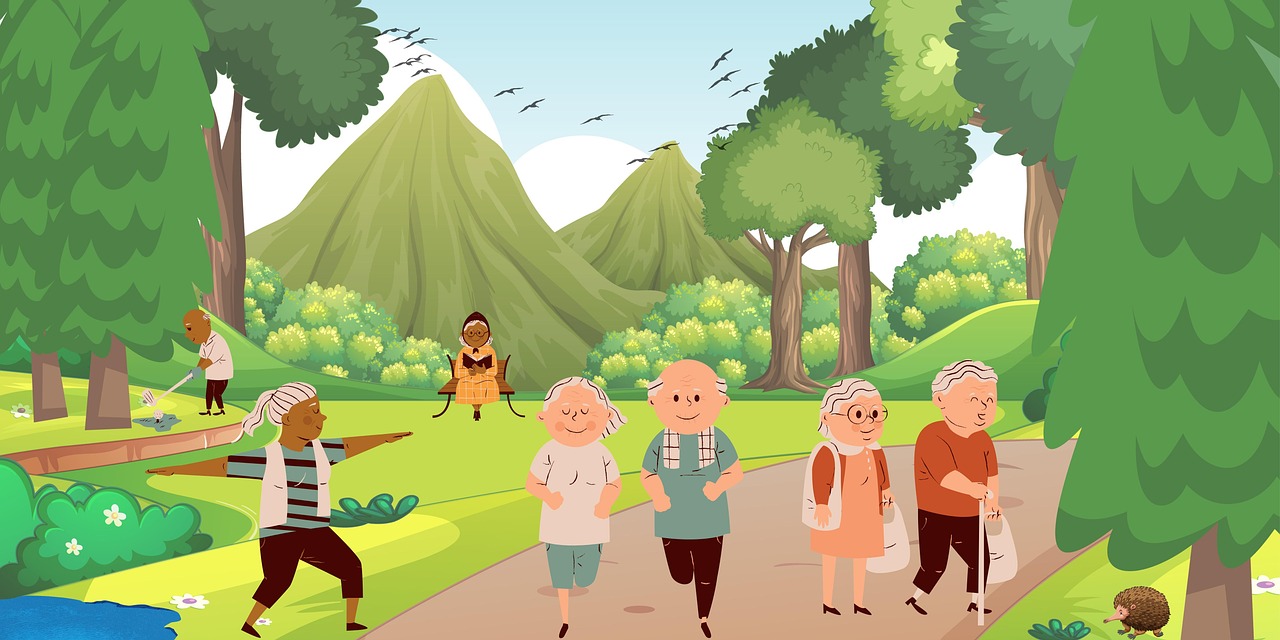

Personal Training for Older Adults: Industry Demand and Growth
The fitness industry has seen a significant shift toward catering to older adults in recent years. As the population ages, the demand for personalized training programs designed specifically for seniors is on the rise. This demographic trend emphasizes the necessity for fitness professionals to be well-equipped to handle the unique needs of older clients. With over 50% of the adult population now being over 50, the personal training market is expanding rapidly. Trainers specializing in this area must understand the physiological changes that accompany aging. Therefore, promoting fitness and well-being among older adults requires tailored approaches. Techniques must include strength training modifications and low-impact exercises that cater to older bodies.
As older adults continue to prioritize health, the role of personal trainers becomes increasingly vital. These professionals must be adequately trained to identify and modify exercise strategies based on individual health conditions. They will greatly benefit from knowledge about common medical issues, aging-related changes, and how to approach them through proper physical activity. Trainers who prioritize safety, comfort, and effectiveness in their programs will see greater success in reaching this market. Furthermore, older adults are becoming more informed about their fitness options, thereby expecting personalized service.
Market Trends Shaping Personal Training
Several market trends are significantly impacting the personal training landscape for seniors. Firstly, there is an increased focus on holistic fitness that addresses not just physical training but also mental and emotional well-being. Many older adults are participating in group exercises, yoga, and other low-impact activities that enhance social interaction. Secondly, the integration of technology in fitness, such as mobile apps and online coaching, has made working out more accessible. Virtual personal training is also on the rise as it enables trainers to connect with clients remotely. As a result, trainers must adapt to these emerging technologies to remain competitive.
Moreover, many older individuals are increasingly concerned about maintaining independence and quality of life through physical activity. Personal trainers must develop programs that enhance functional fitness, mobility, and balance, which are crucial for daily living. For instance, strength training can help prevent falls, a common risk for seniors. Education in fall prevention strategies can significantly benefit the elderly demographic. Trainers focusing on designing tailored, safe programs will likely attract more clients in this growing segment of the market.
Effective Strategies for Trainers
To cater effectively to older adults, personal trainers must employ targeted strategies that address their unique goals. Communication is key; establishing rapport and trust with clients fosters a positive training environment. Moreover, trainers should always conduct thorough assessments to define individualized programs. This could involve evaluating physical fitness levels, musculoskeletal concerns, and medical history. Setting realistic goals ensures continued motivation and enjoyment during workouts. Educational discussions surrounding nutrition, health, and lifestyle changes can also enhance overall wellness for clients.
Another critical factor in engaging older adults is creating a welcoming community atmosphere. Group sessions and social events can help encourage participation among peers. Trainers should consider incorporating various types of classes, from combination workouts to balance-focused sessions. These group offerings foster relationships among clients and facilitate accountability. Additionally, incorporating evidence-based practices into training programs will yield the best results, which benefits both clients and trainers. Continual learning and professional development in geriatrics will keep trainers at the forefront as industry leaders.
Looking Ahead
As the demand for personal training for older adults continues to grow, the industry is likely to see more innovations. For instance, the rise of community fitness initiatives and specialized medical fitness programs will accentuate health and wellness for seniors. These programs might partner with healthcare providers to offer additional resources. Trainers should be proactive and embrace ongoing education to understand emerging trends in geriatric fitness. The future is promising, with the potential for personal training to enhance lives and foster long-term health amongst older adults.
Moreover, adapting marketing strategies to effectively communicate the benefits of personal training to older adults will prove essential. Developing materials emphasizing improved health, enhanced mobility, and longevity can attract new clients. Testimonials from satisfied older adult clients can also reassure potential clients about the effectiveness of personal training. Overall, as the personal training market continues to evolve, focusing on this demographic’s needs presents an opportunity for trainers to thrive and make a meaningful difference in the lives of older adults.