
Mind-Body Practices That Promote Flexibility and Muscle Recovery
Muscle tightness can be a common issue for many individuals, particularly those who engage in physical activities. Understanding mind-body practices is essential in tackling this problem effectively. Mindfulness techniques, incorporated into your routine, can improve overall muscle recovery. Techniques such as yoga, Pilates, and tai chi are designed to promote relaxation while facilitating flexibility. These practices not only help lengthen tight muscles but also encourage awareness of body alignment and posture. Engaging in such exercises regularly can lead to long-term improvements in flexibility, reducing muscle tightness over time. They also promote relaxation, which further aids in muscle recovery. For instance, the calming effects of yoga contribute to the alleviation of stress, which can lead to tense muscles. It’s crucial to incorporate breathing exercises into your routine, enhancing oxygen flow to muscles, aiding recovery. Additionally, employing gentle stretches can increase elasticity in muscles, paving the way for improved range of motion. Remember to approach flexibility practices with patience, ensuring small, gradual gains rather than forcing the body abruptly. Continued practice, aligned with mindful awareness, can lead to remarkable changes.
Exploring various stretching techniques can significantly aid in recovering from muscle tightness. Static stretches are often recommended as they allow for gentle elongation of muscles. Holding each stretch for an extended period helps lengthen muscle fibers, essential for flexibility. Dynamic stretching, which involves momentum, prepares muscles for activity and enhances range of motion. Incorporating both static and dynamic stretches ensures a holistic approach to muscle recovery, promoting overall wellness. Additionally, integrating foam rolling into your routine can be highly effective. Foam rolling helps release tension within muscle fascia, encouraging blood flow. This increased circulation enhances the delivery of nutrients necessary for muscle repair. Consider using a roller after workouts to alleviate soreness and stiffness. Furthermore, massage therapy can also provide substantial relief from tight muscles. A trained therapist can assess areas of tension and apply various techniques to promote relaxation. Deep tissue massage can penetrate deeper muscle layers, consequently helping to release built-up tension. Alongside physical practices, mental strategies such as visualization can aid recovery. Visualizing muscle relaxation during stretches or recovery practices can create a greater mind-body connection, reinforcing positive outcomes.
Yoga Practices for Muscle Recovery
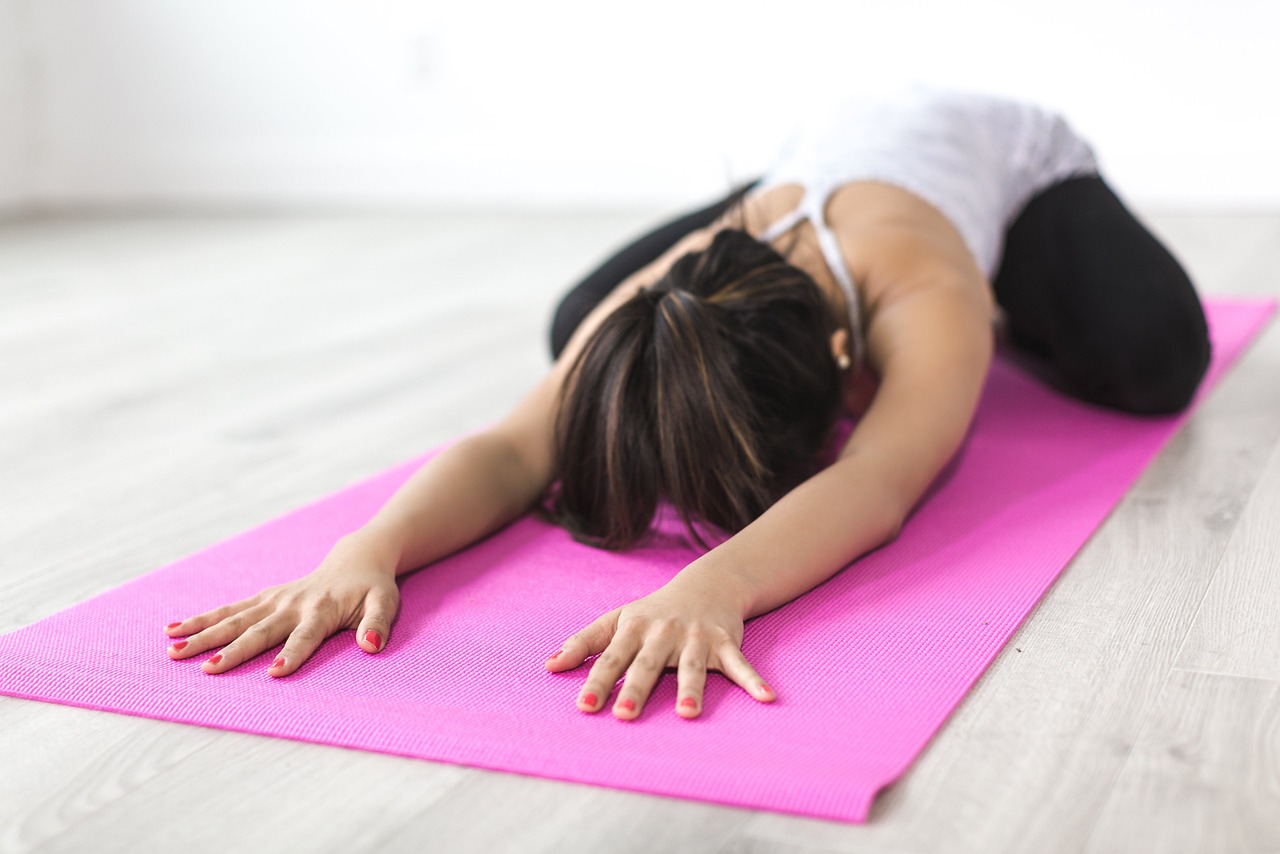
Yoga is a powerful mind-body practice traditionally used for enhancing flexibility and aiding muscle recovery. Beginning with foundational poses like Child’s Pose and Downward Dog can foster a strong base. These poses not only promote flexibility but also cultivate a quiet mind essential for relaxation. As you advance, deep stretches such as Pigeon Pose or Forward Bends help address areas of muscle tightness effectively. Consider centering your practice around the breath; controlled breathing promotes oxygen exchange, aiding circulation. Moreover, restorative yoga sessions offer a unique approach to recovery by reducing the intensity of engagements while allowing the body to restore. These sessions often incorporate props for comfort, leading to deeper relaxation and improved muscle elongation. Incorporating gentle twists can stimulate spinal health while relieving muscular tension. Practicing yoga frequently fosters a consistent body partnership, which helps in identifying tightness and addressing it promptly. Consistency in practice not only yields physical flexibility but mental resilience as well. Ultimately, engaging in yoga practices repeatedly can transform your relationship with your body, leading to profound recovery experiences. Embrace the journey and explore different styles that resonate with your personal needs.
In addition to yoga, tai chi offers a unique discipline focused on flexibility and balance. This ancient Chinese practice combines graceful movement with mindfulness. Engaging in tai chi enhances body awareness and coordination, which are key factors in preventing injuries. The slow, flowing movements allow muscles to expand and contract gently, improving flexibility over time. Integrating tai chi into your routine provides an effective way to reduce stress while promoting muscle recovery. Numerous studies have highlighted the benefits of tai chi, suggesting it can lower cortisol levels, contributing to less muscle tension. Tai chi is also visible in its encouragement of deep breathing, directly linking breath to movement. As you synchronize your breath with your movements, your body begins to relax more efficiently, aiding recovery processes. Regular practice increases not only muscle elasticity but also stability in joints, which plays a crucial role in preventing stiffness in motion. Moreover, tai chi can be practiced almost anywhere, making it an accessible option for all. With consistent practice, tai chi can transform your relationship with movement, ultimately leading to greater flexibility and ease in daily activities.
The Role of Breathing Techniques
Breath control plays a significant role in flexibility and muscle recovery. Often overlooked, proper breathing techniques can enhance muscle relaxation significantly. Focusing on deep abdominal breathing can stimulate the parasympathetic nervous system, promoting a state of relaxation. As your body relaxes, increased oxygen flow enables quicker recovery from tightness. Functional techniques, such as diaphragmatic breathing, further promote relaxation while effectively supplying oxygen to hardworking muscles. This method encourages maximal inhalation that fills the lungs fully. Furthermore, practicing rhythmic breathing—aligning your breath with your movements—during workout sessions fosters heightened awareness. By maintaining breath awareness during stretches, you create a dynamic link between breath and physical movement. This connection directly improves the mind-body relationship, enhancing the effectiveness of recovery activities. You should consider integrating breath-focused practices into your routine. In moments of stress or muscle tightness, pause to breathe deeply and regain focus. Be mindful of creating mental space that allows flexibility benefits to come to fruition. As you become comfortable with these techniques, they will naturally transition into your overall fitness regime, ensuring improved flexibility and a gradual decrease in muscle tightness.
Hydration is often a vital yet overlooked factor in muscle recovery and flexibility. Proper hydration ensures muscles remain supple and responsive. On the contrary, dehydration can lead to muscle cramps and stiffness, hindering flexibility. Therefore, incorporating an adequate amount of water into your daily routines is essential, especially when engaging in strenuous physical activities. During and after workouts, focus on replenishing fluids lost through sweat to maintain optimal performance. Moreover, consider incorporating hydrating foods, like fruits and vegetables, into your diet for additional hydration. Foods such as watermelon, cucumber, and oranges can contribute significantly to hydration levels. Proper electrolyte balance is crucial for muscle function as well, helping prevent cramps and promoting proper muscle contraction. Replenishing lost electrolytes through natural sources, such as coconut water or electrolyte-rich snacks, can enhance recovery. The post-workout period is significant for hydration; remember to drink water when finishing an intensive session. By maintaining consistent hydration throughout the day, you foster an environment that promotes flexibility and recovery, contributing to overall muscle health. Set regular reminders if necessary to ensure you meet your hydration goals.
Conclusion and Mindfulness in Recovery
In conclusion, integrating mind-body practices into your routine can significantly promote flexibility and aid muscle recovery. Approaching recovery with mindfulness enhances each practice’s effectiveness, allowing you to tune into the body’s subtle needs. Adopting introspective techniques, such as meditation, can help develop patience and awareness during physical activities. Listening to your body’s signals prevents overexertion and enables optimal recovery from muscle tightness. Regularly engaging in stretching, tai chi, yoga, and breathing exercises can provide a well-rounded approach to flexibility. Remember to maintain a balance between physical activity and recovery practices to avoid injuries. Each individual’s journey towards flexibility and muscle recovery is unique, and it’s essential to personalize your approach. Experiment with various practices to discover what resonates with your body and mind. Ultimately, a dedicated practice, coupled with attention to hydration, breathing, and recovery strategies, yields remarkable results. As your flexibility improves, observe how your overall well-being transforms. Encourage yourself to remain consistent and patient, for recovery is not a race but a continuous journey. Embrace each step, celebrating progress in both mind and body.
In addition to yoga, tai chi offers a unique discipline focused on flexibility and balance. This ancient Chinese practice combines graceful movement with mindfulness. Engaging in tai chi enhances body awareness and coordination, which are key factors in preventing injuries. The slow, flowing movements allow muscles to expand and contract gently, improving flexibility over time. Integrating tai chi into your routine provides an effective way to reduce stress while promoting muscle recovery. Numerous studies have highlighted the benefits of tai chi, suggesting it can lower cortisol levels, contributing to less muscle tension. Tai chi is also visible in its encouragement of deep breathing, directly linking breath to movement. As you synchronize your breath with your movements, your body begins to relax more efficiently, aiding recovery processes. Regular practice increases not only muscle elasticity but also stability in joints, which plays a crucial role in preventing stiffness in motion. Moreover, tai chi can be practiced almost anywhere, making it an accessible option for all. With consistent practice, tai chi can transform your relationship with movement, ultimately leading to greater flexibility and ease in daily activities.