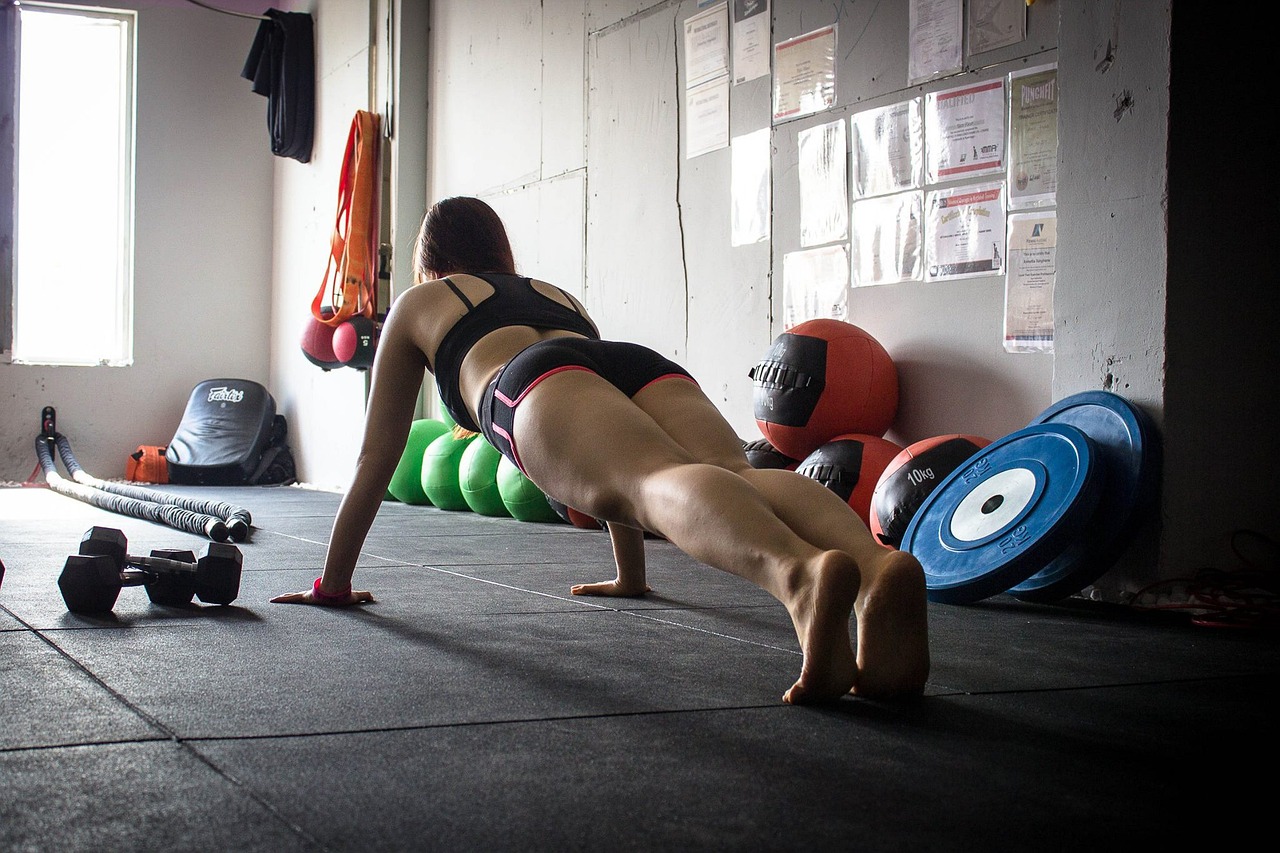

HIIT Core Strengthening for Athletes: Sports-Specific Workouts
High-Intensity Interval Training (HIIT) is a proven method to enhance athletic performance, especially in core strengthening. Core stability is critical for virtually every sport, providing balance, strength, and agility. HIIT effectively targets the muscles that support the spine and pelvis, ensuring that athletes develop a strong foundation essential for various movements. This training style incorporates short bursts of intense activity followed by periods of rest or lower-intensity exercises. Such a format allows athletes to achieve maximum muscle engagement, elevating their heart rate and improving aerobic and anaerobic fitness simultaneously. Additionally, HIIT workouts are time-efficient, offering comprehensive core conditioning that can fit into even the busiest training schedules. For athletes interested in improving their sport-specific skills, integrating HIIT into their routine focuses on core strength and improves overall athletic performance. Many core exercises can be modified to suit the athlete’s specific sport, ensuring that the training is relevant and effective. Incorporating movements such as planks, mountain climbers, and Russian twists into HIIT routines can target abdominal muscles effectively while increasing cardiovascular endurance, making them an ideal choice for athletes.
Benefits of Core Strengthening
The significance of core strengthening through HIIT cannot be overstated. A strong core enhances overall athletic performance, providing stability and power during explosive movements. When athletes engage in high-intensity activities, a strong core helps maintain proper posture and form, reducing the risk of injuries. Core workouts strengthen key muscle groups, including the rectus abdominis, obliques, and transverse abdominis. These muscles play a vital role in balance, coordination, and transfer of energy during sports activities. Additionally, core strength affects an athlete’s endurance; as core muscles become fatigued, performance tends to decline. By consistently including HIIT core workouts in training regimens, athletes can combat this fatigue effectively. Furthermore, enhanced core strength improves functional movement patterns crucial for performance in sports. Athletes experience improved power, agility, and quickness which can lead to better results in their respective sports. Whether you are a soccer player or a track athlete, maximizing your core strength through HIIT can elevate your overall performance and give you a competitive edge.
Incorporating HIIT for core strengthening begins with understanding the most effective exercises. Movements like planks, burpees, and flutter kicks are excellent foundational exercises to develop core strength. Engaging multiple muscle groups simultaneously allows for enhanced calorie burning and improved muscle coordination. For example, while holding a plank, athletes not only engage their abdominal muscles but also strengthen their shoulders, back, and glutes. Furthermore, adding in cardio-intensive bursts, such as jumping jacks between core exercises keeps the heart rate elevated. This method not only contributes to fat loss but helps maintain energy throughout the workout. Varying the intensity levels allows trainers to push their athletes progressively while also preventing workout plateaus. Including elements of rotational force, such as medicine ball throws or kettlebell swings, can further increase core engagement. These movements simulate real-life sports actions, preparing athletes for the unpredictable nature of competition. Regularly updating HIIT workouts keeps training sessions exciting and challenging, ensuring athletes continue to make progress efficiently while developing greater core strength. Consistent practice creates better conditioning of the core muscles, thus allowing for better explosiveness in sports.
HIIT Workout Structure
A typical HIIT core workout generally lasts between 15 and 30 minutes, creating a highly efficient session. The structure typically alternates between 20-40 seconds of intense exercise followed by a short rest period. For example, performing 30 seconds of Russian twists, followed by 15 seconds of rest, effectively enhances muscle endurance while providing quick recovery. A workout circuit may include various exercises, from high knees to bear crawls, ensuring a full-body approach rather than solely focusing on the core. With each round, athletes can increase the intensity and duration of exercises as they build strength and stamina. Eight to ten rounds can make for a comprehensive HIIT workout. Incorporating progression into training sessions is vital as athletes notice improvements. Another method to introduce variety is through equipment, such as stability balls or resistance bands, which can challenge the core muscles in new ways. A well-structured HIIT workout is not only beneficial in developing core strength but enhances metabolic output, aiding in weight loss while increasing muscle tone. By fitting HIIT workouts into training plans, athletes can enjoy varied and exciting workouts while achieving their performance goals.
Setting specific goals can enhance the effectiveness of HIIT core workouts for athletes. Establishing priorities, such as improving balance or increasing endurance, provides a clearer direction for training. Goals also help in selecting exercises that directly impact desired performance areas. For example, if the aim is to enhance speed, focusing on explosive core movements should take precedence. On the other hand, if the goal is injury prevention, prioritizing stability and flexibility work is essential. Additionally, incorporating assessments, such as measuring the time it takes to complete circuits, can help monitor progress over time and identify areas for improvement. Assessing performance regularly fosters motivation and accountability, nudging athletes toward reaching their goals. Furthermore, integrating other specific sports drills enhances the transition from HIIT into competition scenarios. For example, incorporating agility ladders and cone drills develops coordination and speed. The versatility of HIIT allows athletes to tailor workouts to their unique requirements, ensuring every session remains relevant. This approach helps achieve the best results while maintaining athlete engagement and excitement throughout the training cycle.
Tips for Success
To maximize the effectiveness of HIIT workouts for core strengthening, maintaining proper form is crucial. Athletes should prioritize quality over quantity, ensuring that each movement is executed correctly. Even in high-intensity workouts, strong form reduces the risk of injury and ensures that targeted muscles are effectively engaged. Additionally, incorporating a proper warm-up is vital prior to intense training sessions, serving to prepare the cardiovascular system and muscles for work. Dynamic stretches, such as leg swings and hip circles, increase blood flow while making way for better performance. Recovery time also plays a significant role in the effectiveness of HIIT training. Rest days should be incorporated into workout plans to allow muscles to repair and grow stronger. Hydration levels and nutrition are key factors contributing to athletes’ success in any training regimen; ensuring an adequate intake of nutrients aids recovery and performance. Listening to the body’s needs prevents overtraining and burnout, fostering a positive training experience. Lastly, regular physical assessments to measure improvement levels keep motivation alive, allowing athletes to take pride in their progress during their core-strengthening HIIT journey.
In conclusion, incorporating HIIT for core strengthening offers various advantages for athletes across all sports disciplines. The outlined workouts are efficient and tailored to enhance crucial performance attributes like core stability, agility, and endurance. By utilizing sports-specific movements, athletes can effectively replicate the demands of their chosen sport, ensuring they remain competitive. Consistency in training, goal setting, and attention to form are integral elements for success. Tracking progress and adapting exercises to keep training exciting allows athletes to maintain high levels of engagement and motivation. This synergy between effective training, performance tracking, and mental focus significantly impacts athletic success. As athletes continue to embrace high-intensity interval training for core development, they’ll discover increasing levels of strength, agility, and efficiency in their sports performance. Furthermore, with a focused approach to training, athletes can integrate mental resilience alongside physical conditioning. Ultimately, HIIT core strength workouts serve as a foundation for a well-rounded athletic performance, paving the way for success in competition. In this competitive landscape, developing a strong core through HIIT can provide the edge needed to excel.