
Foot Care Routine for Athletes: Preventing Pain and Injury
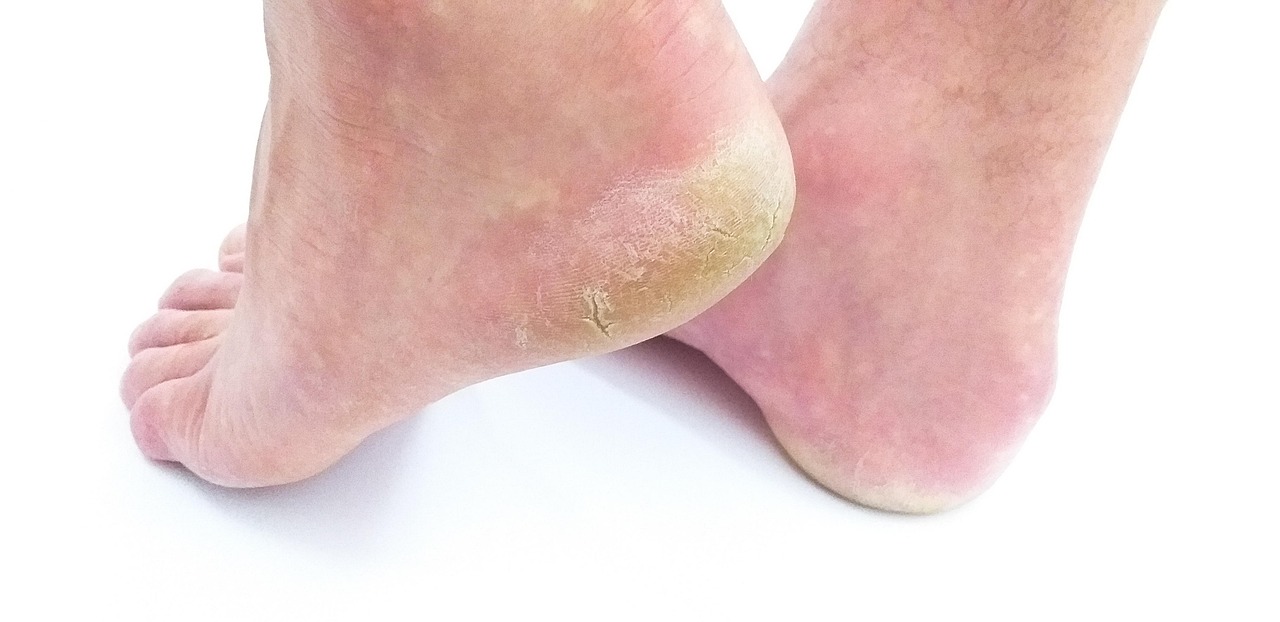
Foot care is an essential aspect of an athlete’s training regimen. Ignoring foot care can lead to injuries that may hinder performance. Athletes, especially runners and those involved in high-impact sports, must prioritize foot health. A consistent foot care routine not only improves athletic performance but also reduces the risk of injuries such as plantar fasciitis, heel spurs, and stress fractures. The primary focus should be on maintaining foot hygiene, monitoring for any pressure points, and properly managing calluses. By keeping feet clean and dry, athletes can prevent fungal infections. Moreover, it’s vital to use appropriate footwear that provides support, cushioning, and fits well. High-quality athletic shoes specifically designed for the sport can make a significant difference. Regularly replacing shoes is also important to ensure adequate support. Daily stretching and strengthening exercises for the feet can enhance flexibility and strength. Moreover, consider incorporating rest days to allow the feet to recover from intense training. Incorporating these practices promotes long-term foot health and can make a notable difference in sports performance.
Understanding Common Foot Injuries
Athletes often encounter various foot injuries, each presenting different symptoms and challenges. Common injuries include plantar fasciitis, Achilles tendinitis, ankle sprains, and other overuse injuries. Plantar fasciitis manifests as heel pain, especially noticeable during the first steps in the morning. A proper diagnosis from a healthcare professional is crucial for treatment. Achilles tendinitis is characterized by pain and stiffness along the Achilles tendon. This injury often results from repetitive strain or improper footwear. Ankle sprains occur frequently in sports. Sprains arise when the ankle is rolled or twisted during sudden movements. One critical aspect of managing these injuries is understanding their causes. Many injuries stem from poor foot mechanics or inadequate support from shoes. Athletes should regularly assess their footwear’s condition and suitability. With a good understanding of these injuries, preventive measures can be implemented effectively. Conditioning exercises focused on the lower legs can help strengthen muscles around the foot and ankle. Furthermore, using orthotic devices can provide necessary arch support, enhancing stability while reducing injury risk.
When addressing foot care for athletes, the importance of using the correct footwear cannot be overstated. Purchasing shoes specifically designed for an athlete’s unique sport is critical—running shoes differ from basketball shoes, which differ from soccer cleats, and so on. However, an even more significant consideration is the shoe fit. Improperly fitting shoes can lead to blisters, calluses, and other painful conditions. Athletes should ensure there’s enough toe space in the front while also having a secure fit around the midfoot. Testing shoes later in the day when the feet are slightly swollen can help ensure a proper fit. Athletes should also consider arch support, as different foot types may require unique footwear. In addition to choosing the right shoes, it’s important to rotate footwear to allow shoes to decompress. Additionally, socks play a vital role in foot care. Choosing moisture-wicking socks can prevent blisters formed through friction. Combined with high-quality shoes, proper sock selection promotes comfort and improves performance. Regular shoe inspections for wear also contribute to overall foot health for athletes.
Daily Foot Care Practices
An effective daily foot care routine can significantly enhance an athlete’s overall foot health and comfort. Start by inspecting the feet each day for any signs of redness, irritation, or blisters. Regular inspection helps catch problems early and can prevent severe injury. Maintaining cleanliness is essential; wash feet with mild soap daily and keep nails trimmed to avoid snagging. Following a wash, drying feet thoroughly is vital, especially between the toes, to prevent fungal infections. Apply a moisturizer to the feet, but avoid the spaces between the toes to keep them dry. Furthermore, implementing a stretching routine focusing on the calves, ankles, and feet can improve flexibility, potentially reducing injury chances. Simple toe stretches, calf raises, and ankle rotations can be easily integrated into the routine. After workouts, allowing feet to breathe by removing shoes and socks is essential, as it promotes recovery. Cold water immersion or ice packs can help with inflammation post-training. Finally, keep the feet protected and supported throughout training sessions to ensure long-term health.
Rest and recovery are integral components of any foot care regimen for athletes. Ensuring adequate recovery time allows the muscles, tendons, and ligaments in the feet to heal and strengthen post-exercise. Ignoring signs of fatigue or discomfort can lead to more significant injuries. Athletes should incorporate rest days into their training schedules, allowing the body, particularly the feet, time to recover. Active recovery methods, such as gentle stretching or low-impact activities, can aid in promoting blood flow and reducing soreness. Furthermore, techniques such as foam rolling can help alleviate tension in the foot and calf areas. Incorporating varied training methods can decrease repetitive stress on the feet; this could include cross-training or adjusting running surfaces. Additionally, using ice packs post-training can significantly reduce inflammation and expedite recovery. Athletes should also consider the importance of nutrition; consuming anti-inflammatory foods can support the healing process. Adequate hydration contributes to overall performance and recovery. Lastly, using compression socks during and after workouts can enhance blood circulation, further promoting recovery and preventing injuries.
Tools for Foot Care
In modern foot care routines, various tools can enhance the efficacy of upkeep efforts. Foot rollers provide targeted relief to sore arches and can be used pre-or post-workout. They promote relaxation and flexibility while reducing muscle tightness. Additionally, a quality foot scrub is essential for removing dead skin and preventing calluses. Incorporating pumice stones into the routine can help keep calluses in check, ensuring comfortable foot health. Alternatively, footbaths with Epsom salts assist in alleviating soreness and promoting relaxation. Some athletes find compression devices useful as they improve blood circulation and assist in muscle recovery. Furthermore, investing in orthotic insoles tailored to the individual’s foot structure can offer necessary support and alleviation for ailments. Such insoles can help distribute weight effectively, reducing pressure points. Carrying a first-aid kit that includes bandages and antiseptic ointmen for blisters and small injuries can facilitate prompt treatment. Foot care is abandoned by many athletes, but using the right tools makes the process easier and more efficient.
Lastly, incorporating professional care and consultations into the foot care routine allows athletes better-informed decisions regarding their foot health. Regular visits to a podiatrist can help in identifying underlying issues and recommending personalized solutions tailored to individual foot structure and sports activities. Podiatrists can also offer valuable advice regarding the best footwear options, aiding athletes in making informed choices. Physical therapists also play a vital role in recovery and rehabilitation specific to foot and ankle injuries through mobilization techniques. They recommend exercises designed to strengthen muscles surrounding the foot and improve overall mechanics. Additionally, regular professional massages can relieve tension in the feet, promoting relaxation. This holistic approach ensures athletes can remain ahead of any potential injuries. Education is vital, and attending workshops or seminars focused on foot health can further empower athletes to take charge of their own well-being. Emphasizing foot care not only contributes to better athletic performance but also enhances long-term health and enjoyment in sports.
Foot care is an essential aspect of an athlete’s training regimen. Ignoring foot care can lead to injuries that may hinder performance. Athletes, especially runners and those involved in high-impact sports, must prioritize foot health. A consistent foot care routine not only improves athletic performance but also reduces the risk of injuries such as plantar fasciitis, heel spurs, and stress fractures. The primary focus should be on maintaining foot hygiene, monitoring for any pressure points, and properly managing calluses. By keeping feet clean and dry, athletes can prevent fungal infections. Moreover, it’s vital to use appropriate footwear that provides support, cushioning, and fits well. High-quality athletic shoes specifically designed for the sport can make a significant difference. Regularly replacing shoes is also important to ensure adequate support. Daily stretching and strengthening exercises for the feet can enhance flexibility and strength. Moreover, consider incorporating rest days to allow the feet to recover from intense training. Incorporating these practices promotes long-term foot health and can make a notable difference in sports performance.