
Using Foam Rolling to Speed Up Recovery for Bodybuilding Athletes
Rest and recovery are crucial for athletes, particularly in bodybuilding, where training intensity can lead to muscle soreness and fatigue. One effective recovery technique that has gained popularity among bodybuilders is foam rolling. This self-myofascial release method helps to alleviate tightness in muscles and increases blood circulation. As bodybuilders subject their muscles to significant strain during workouts, they often experience delayed onset muscle soreness (DOMS). Foam rolling can be helpful in mitigating these effects by loosening muscle knots and improving flexibility. Additionally, foam rolling aids in the recovery process by breaking up fascia, which can restrict movement. By incorporating this technique into their recovery routine, athletes may find improved performance and more efficient healing. Utilizing foam rollers regularly has been shown to enhance range of motion and reduce soreness, ultimately allowing bodybuilders to train with greater frequency and intensity. Athletes should aim to use foam rollers both before and after workouts. Regular practice increases the effectiveness of this recovery technique, leading to better overall achievements in bodybuilding endeavors. Whether you’re a novice or a seasoned competitor, foam rolling can play a pivotal role in your regimen.
The Science Behind Foam Rolling
Foam rolling operates on the principle of self-myofascial release, which targets the fascia connective tissue surrounding muscles. As bodybuilders push their limits, this fascia can become tight, leading to discomfort and impaired movement. When using a foam roller, the pressure applied helps to release adhesions and knots within the fascia. This process stimulates the Golgi tendon organs and muscle spindles, which are sensory receptors in muscles. As a result, muscle tension decreases and blood flow increases, promoting quicker recovery times. Research has shown that foam rolling can lead to immediate benefits, including enhanced flexibility and reduced muscle soreness post-exercise. A study published in the Journal of Athletic Training reported significant improvements in athletes’ performance and recovery metrics after foam rolling sessions. Additionally, the psychological benefit of engaging in a self-care routine can’t be ignored. It provides athletes with a sense of control over their recovery, motivating them to maintain their training schedule effectively. Foam rolling is easy to incorporate and can be tailored to suit individual needs, making it an accessible recovery method. Integrating science-backed techniques like foam rolling can ensure athletes are in peak condition for their next competition.
To maximize the benefits of foam rolling, bodybuilders should focus on specific muscle groups that are frequently used during training. These include the quadriceps, hamstrings, glutes, and back muscles. Each of these areas tends to hold tension and requires special attention. When rolling, it’s essential to apply steady pressure and move slowly to ensure effective release. Spending about one minute on each targeted muscle can significantly enhance recovery. Athletes can also incorporate breathing techniques to help relax the muscles further while using the foam roller. Remember that foam rolling should not be painful; if it is, adjust the pressure or the position of the roller. Regular foam rolling sessions—ideally performed daily or after workouts—will lead to greater long-term benefits. This practice can also help maintain muscle elasticity, which is vital for intense lifting and performance. Some bodybuilders also prefer to use foam rollers in conjunction with stretching to achieve a more comprehensive approach to recovery. The combined effects can significantly improve overall mobility and strength during training sessions. A well-rounded recovery routine, including foam rolling and stretching routines, can have a substantial impact on an athlete’s capability.
How to Incorporate Foam Rolling into Your Routine
Incorporating foam rolling into a bodybuilding routine can be straightforward. Start by identifying specific times during the day when rolling can be included. A common approach is utilizing foam rolling immediately after workouts. This timing helps in addressing muscle tightness while the muscles are still warm and pliable. Include a session of foam rolling before stretching to enhance flexibility. Athletes can also roll on rest days to further promote recovery. Each foam rolling session can last from five to 15 minutes, depending on individual needs and time availability. Another useful aspect of foam rolling is its versatility; it can be performed almost anywhere. Just keep a foam roller in your gym bag or home for easy access. Listen to your body during foam rolling, and avoid any areas that feel bruised or overly painful. As you become more accustomed to foam rolling, you’ll likely find which techniques work best for you. Documenting your experiences in a training journal can also help track improvements in recovery and performance over time. By committing to this practice, bodybuilders will see positive changes in their fitness journey.
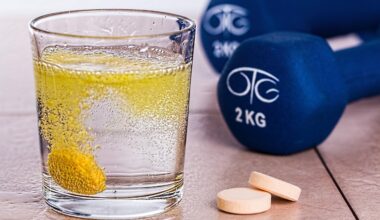
Foam rolling can also be complemented with other recovery techniques. Pairing it with adequate hydration and nutrition can further enhance its effects. Staying hydrated helps in flushing out toxins from the body and prevents muscle cramping. Consuming the right nutrients, particularly protein and carbohydrates, accelerates muscle repair and recovery. Bodybuilders should aim to consume a post-workout meal that contains a blend of protein and carbs for optimal recovery. Moreover, incorporating rest days is as significant as foam rolling. Scheduling breaks for recovery allows the body to heal, preventing overtraining and injury. Listening to your body is paramount; if you feel fatigued, taking a day off can be beneficial. Alternating between intense training and light workout days, with foam rolling included, can help maintain high performance. Additionally, other forms of recovery methods, such as cold therapy and massage, can also be beneficial when combined with foam rolling. This holistic approach will ensure a bodybuilder’s overall strategy in recovery is multifaceted. Users are encouraged to find what works best for them through experimentation, empowering athletes to design personalized recovery routines.
Common Mistakes to Avoid with Foam Rolling
While foam rolling offers many benefits, it is essential to avoid common mistakes to ensure efficacy and prevent injury. One common mistake is applying too much pressure, which can lead to bruising or discomfort. Make sure to adjust the pressure according to tolerance levels and listen to your body. Another issue arises when individuals rush through their foam rolling sessions. Taking time to slowly roll over each muscle group is crucial for effective release. Athletes should also avoid skipping areas; it’s essential to roll every major muscle group that experiences tension for an inclusive recovery. Not allowing adequate time for foam rolling is also a pitfall; allocating sufficient time ensures comprehensive care. Ignoring the importance of breathing while rolling can diminish the benefits, as proper breathing can relax the muscles effectively. Taking these precautions can maximize the benefits from foam rolling. Not integrating foam rolling as part of a broader recovery plan may limit results. Seek a balanced approach with other recovery techniques to obtain the optimal athlete performance. Educating oneself about foam rolling can also improve its effectiveness, making it a fundamental part of the muscle recovery process.
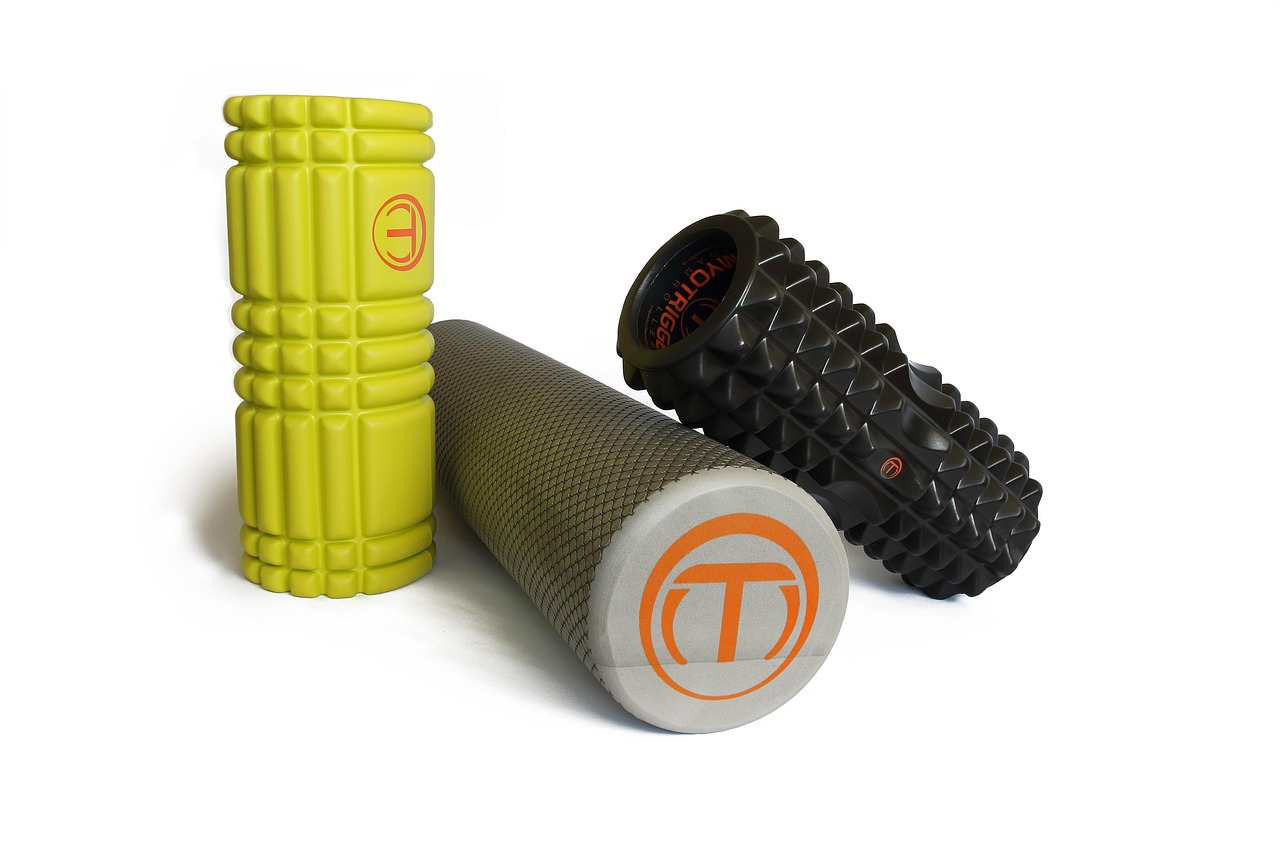
As foam rolling continues to gain traction among bodybuilding athletes, various tools and resources become available for optimal use. Foam rollers come in different shapes and densities. Selecting a suitable foam roller is essential for achieving desired results. Beginners might prefer softer rollers, while those more advanced can benefit from more rigid versions. Additionally, tools such as massage balls can target smaller muscles and deliver relief in conjunction with foam rollers. Athletes can also source instructional videos or classes focused on foam rolling techniques. Learning proper techniques ensures every athlete benefits from this practice effectively. Also, ensuring foam rollers are adequately maintained can prolong their lifespan, making them more suitable for consistent use. Using the foam roller in conjunction with other techniques—like active stretching—can unleash its full potential. Community forums and social media groups can further assist athletes in connecting with other bodybuilding enthusiasts, sharing tips and experiences regarding foam rolling practices. Building a support network can inspire athletes to remain consistent. These resources enable bodybuilders to optimize their recovery routines with evidence-based practices that foster growth and performance.
In conclusion, foam rolling is a robust tool that can significantly benefit bodybuilding athletes. By incorporating this technique into their training and recovery protocols, athletes can improve muscle recovery times and overall performance. The benefits of increased blood flow, decreased muscle soreness, and improved flexibility are game-changers in the competitive world of bodybuilding. When executed properly, foam rolling can enhance an individual’s ability to push through rigorous training sessions effectively. It is essential for bodybuilders to commit time and effort toward mastering foam rolling techniques and ensuring they integrate it into their routine consistently. Taking a proactive approach to recovery can make all the difference when navigating between training sessions. Moreover, education on foam rolling enhances its effectiveness, providing a solid foundation for long-term success. All athletes, from novice to elite, must consider foam rolling as an essential component of their recovery strategy. By applying the tips and techniques discussed throughout this article, bodybuilders can pave the way toward improved performance and faster recovery. Ultimately, successful recovery contributes to achieving goals and reaching new personal bests in bodybuilding competitions.