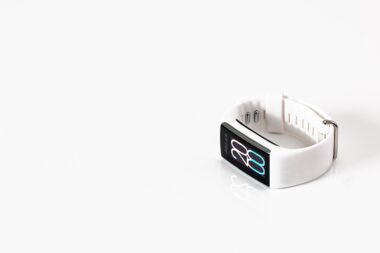

Understanding Data Analytics in Wearable Integration Software
Data analytics is a crucial component of wearable integration software, enabling users to track their fitness journeys effectively. With the rise of smart gadgets, individuals are looking towards software that provides meaningful insights based on collected data. Wearable devices collect an array of information, such as heart rate, steps, calories burned, and sleep patterns. This data not only empowers users to make informed decisions regarding their health but becomes a powerful tool when integrated into comprehensive software. By harnessing data analytics, developers can create personalized experiences tailored to every user’s needs. Additionally, analyzing this data helps uncover patterns, allowing users to identify their strengths and areas where improvement is necessary. This consistent feedback loop enhances motivation, ensuring users stay committed to their fitness goals. Moreover, the incorporation of social elements, such as sharing progress with friends or competing on leaderboards, creates a community atmosphere that encourages engagement. Overall, effective data analytics within wearable integration software can significantly enhance users’ fitness experiences, leading to healthier lifestyles.
To fully appreciate the impact of data analytics in wearable integration software, one must recognize the distinct types of data being collected. Metrics obtained from wearables can be classified as quantitative and qualitative, each serving a different purpose. Quantitative data is numerical and can be measured precisely, while qualitative data encompasses insights that are more subjective. For instance, a tracker might quantify the minutes of movement, while also logging mood or perceived exertion levels. To enhance the software’s functionality, it is essential to successfully merge these data types. Data visualization tools play a pivotal role in helping users interpret their information easily. Charts and graphs can depict trends over time, illustrating progress toward fitness goals vividly. Additionally, integrating machine learning algorithms can enhance the personalization of user experiences, offering tailored recommendations to improve performance further. Regular updates to these analytics software ensure they evolve with the fitness landscape’s needs and innovations. Thus, the continuous development of analytics capabilities in wearable integration software ensures better support for users’ evolving fitness journeys.
The Role of Artificial Intelligence in Data Analytics
As wearable technology continues to advance, artificial intelligence (AI) plays an increasingly important role in data analytics. AI algorithms enable wearable integration software to analyze vast datasets quickly, uncovering hidden patterns that would otherwise go unnoticed. By leveraging machine learning, these systems can adapt over time, refining the user experience based on individual performance and preferences. For instance, AI can analyze various factors such as heart rate, sleep quality, and daily activity, offering personalized insights and recommendations on how to optimize workouts. Additionally, AI-driven predictive analytics can forecast future performance trends, giving users an idea of where they might excel or face challenges. AI can also facilitate user engagement by providing timely notifications and reminders about workouts or goals. This proactive approach can help users stay committed to their fitness regimens, fostering a more effective interaction with wearable technology. As the integration of AI in analytics becomes more prevalent, the potential for personalized health management expands. Ultimately, AI enhances the overall effectiveness of wearable integration software, providing users with deeper insights into their fitness journeys.
Security and privacy concerns are paramount in the discussion of data analytics within wearable integration software. As devices collect sensitive personal information, users must be assured that their data remains protected and used ethically. Regulatory frameworks such as GDPR help establish guidelines for how personal data should be managed. Companies developing wearable software must prioritize data encryption and secure storage systems to protect user data. Furthermore, transparency about data usage is critical; users should easily understand what data is being collected and how it will be utilized. To build trust, many companies now offer opt-in features for data sharing and give users control over their information. Addressing these privacy considerations not only safeguards users but also enhances the software’s reputation. Engaging with users about their privacy concerns and implementing solutions can significantly improve user satisfaction and retention. Additionally, continuous improvement in security measures is crucial to keeping pace with evolving cyber threats. By ensuring robust security protocols are in place, wearable integration software can create a safe environment for users to engage with their health data.
The Future of Wearable Integration Software
The future of wearable integration software is promising, especially with the constant evolution of technology. Advancements in sensors and AI will pave the way for even more sophisticated data analytics. As wearables become more capable, we can expect improvements in accuracy and the types of data collected. Emerging technologies such as biosensors may allow for real-time monitoring of various biological parameters, enhancing the granularity of data available to users. In tandem with data analytics, cloud computing is set to revolutionize how this information is stored and processed. This means users will have a seamless experience accessing real-time analytics, regardless of their location. Moreover, as society focuses more on preventative healthcare, the demand for wearable integration software will likely grow. This trend presents an opportunity for software developers to innovate and enhance features continuously. As users strive toward becoming more health-conscious, wearable solutions that offer actionable insights will become invaluable. Companies should remain adaptable, staying attuned to user feedback and market trends to refine their offerings. In conclusion, wearable integration software will play an essential role in promoting healthier lifestyles as it continues to evolve.
Wearable integration software doesn’t only focus on fitness tracking; it also plays an integral role in fostering holistic health. Beyond physical fitness, analytics can address mental health concerns through mindfulness features or stress monitoring. By tracking biometrics like heart rate variability and sleep patterns, users can gain insights into their mental well-being and emotional health. This holistic approach is essential, as physical activity is closely related to mental health. Additionally, many applications are incorporating social support features, emphasizing the importance of community in health journeys. Social interactions, such as recognition for achieving fitness milestones or engaging in group challenges, can boost user motivation significantly. Furthermore, wearables can encourage healthy lifestyle changes through gamification, where reaching specific goals earns users achievement badges or points. This strategy not only makes health management more engaging but also fosters a competitive spirit, pushing users to strive for improvement. The future of wearable integration software lies in its ability to provide comprehensive health insights, empowering users to take charge of their overall well-being effectively.
Conclusion: Embracing the Future of Health Management
In conclusion, the integration of data analytics in wearable software marks a significant evolution in health management strategies. By providing users with deep insights into their fitness progress, wearable integration software cultivates an informed approach to personal health. The continuous advancement of technology, particularly in AI and sensor development, holds immense potential for creating even robust analytics-based software. As privacy and security concerns are prioritized, users can engage with these tools confidently. Furthermore, as society increasingly acknowledges the importance of physical and mental well-being, these analytics-driven solutions will become indispensable for effective health management. Developers and users alike must embrace this technological wave to enhance fitness experiences, ultimately leading to healthier lifestyles. The synergy between innovative technology, strong community support, and user-centered insights promises an engaging and effective health management experience. As we harness the power of data analytics, wearable integration software will play a prominent role in shaping how individuals perceive and approach their health. By blending fitness and mental well-being, users can achieve a balanced lifestyle, further emphasizing the importance of comprehensive health management solutions in today’s fast-paced world.
Finally, the key takeaway from this exploration of data analytics within wearable integration software is the remarkable potential for enhancing user experience. Utilizing data from wearables to create tailored insights and recommendations fosters a supportive environment for individuals seeking to improve their health. With a strong emphasis on security and privacy and the innovative role of AI, users are primed to benefit from these technologies. As the landscape of fitness applications continues to evolve, the focus on comprehensive health management will guide the development of next-gen wearable solutions. The intersection of technology and personalized health truly creates a fertile ground for individuals looking to enhance their quality of life through informed choices and engagement.