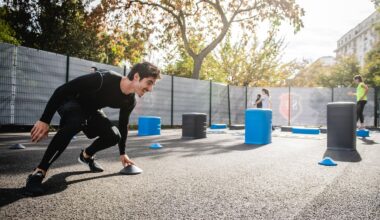

Top 10 Workout Routines for Beginners in the Fitness Community
For anyone starting their fitness journey, selecting the right workout routine is paramount. The initial phase can be both exciting and daunting. Many beginners may feel overwhelmed by options, yet focusing on fundamental routines can provide a solid foundation. These routines cater to a variety of fitness levels, ensuring accessibility for all. In this article, we will unveil the top ten workout routines widely endorsed within the fitness community. Each routine is designed with beginners in mind and emphasizes proper form and technique. Routines such as bodyweight exercises and resistance training not only help build strength but also promote endurance. Aerobic exercises, including walking and cycling, are crucial as they enhance cardiovascular health. Attending group classes often enhances motivation, making workouts more enjoyable. Moreover, incorporating rest days into the routine can prevent burnout and promote muscle recovery. Ultimately, remember that consistency is vital. Finding a community, whether online or in person, often keeps individuals accountable and motivated, transforming fitness into a sustainable lifestyle.
1. Bodyweight Training for Strength
Bodyweight training remains a favorite among beginners because it requires no equipment. You can perform exercises like push-ups, squats, and lunges anywhere. This routine emphasizes functional movements that enhance everyday activities. It engages multiple muscle groups, ultimately improving overall strength and coordination. Additionally, this method allows individuals to progress at their own pace. Starting slowly and focusing on form can lead to better results. As you grow stronger, you can increase repetitions or modify exercises to maintain the challenge. Incorporating activities such as planks improves core strength and stability, crucial for more advanced workouts. Beginners are encouraged to dedicate 20-30 minutes for bodyweight workouts, aiming for at least three sessions weekly. Consistency is more important than intensity; the goal is to form a habit. For beginners struggling with bodyweight exercises, it’s recommended to utilize modifications. For instance, knee push-ups are a gentler alternative. Joining a beginner-friendly online community can provide guidance, encouragement, and accountability, helping to create an enjoyable and effective training experience. Resources are plentiful; be sure to consider apps or YouTube channels specializing in beginner routines.
2. Flexibility and Stretching Exercises
Flexibility and stretching exercises play a crucial role in any beginner’s workout routine. Engaging in regular stretching promotes a greater range of motion, which is essential for any physical activity. Improved flexibility can prevent injuries by preparing your muscles for movement while reducing muscle soreness post-exercise. Incorporating routines like yoga or Pilates complements strength training. Classes focus on body awareness, balance, and controlled movements. You can perform simple stretches at home or join local classes, enhancing fitness without the need for equipment. Key stretches include hamstring stretches, quadriceps stretches, and shoulder stretches, which target major muscle groups, promoting flexibility. Aim to perform flexibility training at least three times weekly, dedicating 10-15 minutes for routine sessions. It’s beneficial to listen to your body, pushing gently into each stretch without feeling pain. A common mistake is holding stretches on cold muscles, which can lead to injury; always warm up prior. Online platforms provide guided stretches, allowing you to experience great workouts from your home. Integrate mindfulness into flexibility routines, helping alleviate stress, and cultivating a holistic approach to fitness and wellness.
3. Strength Training with Dumbbells
For beginners looking for a low-barrier entry into strength training, using dumbbells is an excellent choice. They allow for versatile workouts targeting multiple muscle groups. Beginners might start with basic exercises, such as dumbbell presses, bicep curls, and tricep kickbacks, focusing on form rather than lifting heavy weights initially. Each session can be designed to last 30-45 minutes, incorporating multiple sets of 8-12 reps. This repetition range is ideal for promoting muscle hypertrophy and endurance without overexertion. It’s also beneficial to balance exercises targeting opposing muscle groups, like working your biceps while strengthening your triceps. Starting with a lighter weight helps prevent injury and ensures that proper techniques are learned. As strength improves, increased weights or additional exercises can be gradually introduced. Rest days should follow strength training days to allow muscle repair and growth. YouTube channels often offer informative videos demonstrating correct movements. Framed within the fitness community, many forums and groups discuss personalized routines and answer questions, lending great support to those new to strength training.
4. Cardio Workouts for Endurance
Cardiovascular workouts remain integral to any beginner’s routine, bolstering heart health and physical endurance overall. Options abound; enjoyment is key to maintaining consistency. Activities such as brisk walking, cycling, jogging, or swimming are accessible to most individuals. Aim for a modest goal of 150 minutes of moderate-intensity aerobic activity each week, broken down into manageable sessions. Beginners are encouraged to start with shorter durations, gradually increasing as fitness improves. Interval training can also be effectively incorporated, alternating between bursts of high and low intensity to maximize cardiovascular benefits while keeping boredom at bay. Joining a dance class or group cycling often makes workouts less daunting and adds an element of fun. Tracking progress, whether through an app or journal, fuels motivation and accountability. Simple goals, like increasing the distance or duration weekly, improve fitness levels. Plus, participating in community events, such as charity walks, provides a sense of purpose. Listening to upbeat music while staying active can lift spirits and energize workout routines. Ensure to hydrate and fuel the body properly before engaging in cardio exercises, reaping the best results.
5. Group Classes for Motivation
Group classes offer an exceptional environment for beginners eager to stay motivated and connected with others. Within the fitness community, these classes can range from Zumba to bootcamp sessions, catering to diverse interests and fitness levels. The collective atmosphere empowers participants, encouraging them to push through challenging routines. Instructors guide participants with proper techniques, ensuring safety and fostering community support. These classes often promote camaraderie, allowing friendships to flourish, which can enhance accountability in fitness journeys. Many local gyms provide low-cost introductory offers, appealing to newbies wanting to explore various classes. It’s advisable to try several classes to find one that resonates. Incorporating group classes into your routine creates a sense of belonging. Online classes offer similar benefits, allowing individuals to engage with others virtually while remaining flexible. Attendees can share experiences, progress, and advice through chat features and group discussions. Furthermore, varying workout classes helps combat monotony, ensuring daily routines remain exciting and invigorating. Whether in person or virtually, group fitness can be the lift beginners need to kickstart an active lifestyle while forging valuable connections.
6. Online Fitness Communities
As fitness evolves, more individuals are turning to online communities for support and motivation. For beginners, these platforms can be invaluable in creating connections with like-minded people. Social media and specialized forums allow sharing goals, challenges, and successes, enhancing accountability. By connecting with others facing similar scenarios, beginners can receive encouragement and advice from those who have navigated the early phases. Various apps and websites offer workout challenges and nutrition tips, furthering community engagement. YouTube channels often serve as a source of inspiration with diverse ideas for exercises and routines. Engaging within a community fosters a sense of belonging, crucial for sustaining motivation. Rewards systems, such as badges for completing challenges, make progress tangible and rewarding. Starting or joining group chat sessions often leads to camaraderie, as mutual support can drive consistent attendance to workouts. It’s also important to sift through information and target reliable sources, distinguishing valuable advice from misinformation. With commitment and the right group dynamics, beginners can find encouragement through virtual platforms, facilitating a smooth transition into the fitness swing.
7. Setting Realistic Fitness Goals
To cultivate a successful fitness journey, setting realistic fitness goals is paramount, particularly for beginners. Goals should be specific, measurable, achievable, relevant, and time-bound (SMART). By defining what you hope to achieve, whether it’s gaining strength or improving endurance, you create a clear roadmap guiding your journey. Start with short-term goals, focusing on completing a certain number of workouts weekly or making healthier food choices. These empower individuals, instilling motivation and reinforcing positive habits. Over time, adjust goals to challenge yourself. Long-term goals should encompass the bigger picture, like participating in a local race or completing a specific workout series. Tracking progress is vital; consider using an app or journal to record workouts, enhancing oversight. This documentation helps intermediate changes leading toward achieving bigger milestones. Share goals within your fitness community; the support system engenders encouragement. It’s vital to celebrate every achievement, no matter how minor, as small successes build confidence. Building a healthy mindset is as critical as physical progress. Through realistic goal-setting and positive reinforcement, beginners can thrive on their paths to long-term fitness.