
Tailored Breathing Exercises for Different Types of Sleep Apnea
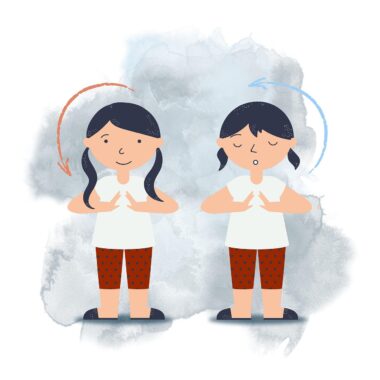
Breathing techniques can play a vital role in managing sleep apnea. Different types of sleep apnea, such as obstructive, central, and complex sleep apnea, may require unique approaches. Proper breathing exercises focus on reducing airway resistance and promoting relaxation. Techniques like diaphragmatic breathing, where the diaphragm becomes the primary muscle used for breathing, enhance oxygen intake. Additionally, using specific patterns such as the ‘4-7-8’ technique can help improve lung capacity and regulate breath. This rhythmic breathing helps in reducing anxiety, which is often exacerbated by sleep apnea. Several exercises can also be integrated into a bedtime routine to prepare the body for sleep. It is important to practice these exercises consistently to see improved results. Many patients have reported that dedicating time to these exercises significantly reduced their nighttime disturbances. Moreover, joining support groups or classes focused on breathing can enhance the learning process. Implementing tailored breathing exercises is a proactive approach to managing sleep apnea, providing positive outcomes, and improving overall quality of life.
Another effective technique is the use of pursed-lip breathing. This is particularly beneficial for individuals suffering from obstructive sleep apnea, as it aids in controlling the speed and volume of exhalation. To perform this technique, gently inhale through the nose and purse the lips, then exhale slowly through the pursed lips. This helps create a slight resistance, allowing the lungs to empty gradually. Additionally, incorporating practices like yoga and meditation introduces a holistic approach to breathing. Yoga poses combined with mindful breathing can significantly enhance lung function while improving relaxation levels. Various online resources and applications can provide guided sessions for those looking to get started. Understanding proper posture is also crucial as certain positions may contribute to better airflow. Maintaining an upright position while practicing breathing techniques can alleviate some symptoms associated with sleep apnea. Patients are encouraged to experiment with different exercises to find what works best for them. Learning about the benefits and limitations of each technique will empower individuals to take charge of their breathing and improve their sleeping patterns.
Breathing Techniques for Obstructive Sleep Apnea
For those dealing with obstructive sleep apnea (OSA), specific breathing techniques can be advantageous during both wakefulness and sleep. Focused diaphragmatic breathing can help diversify lung capacity, providing necessary oxygen even during events of apnea. Another recommended technique is the Buteyko method, which emphasizes slow, controlled breathing. This method primarily aims to decrease hyperventilation rates, thus fostering more stable blood oxygen levels. For many, integrating these techniques with continuous positive airway pressure (CPAP) therapy helps promote better outcomes. Regular practice can ease anxiety, a common trigger for apneic events. Furthermore, posture plays a vital role; slouching while sleeping can exacerbate OSA symptoms. By aligning the neck and spine properly, airflow can be improved. Exploring sleep positions that avoid occlusion of the airway can also be beneficial. The side-lying position is often recommended as it may reduce snoring and improve oxygen flow. Prioritizing weight management and physical fitness also supports effective breathing. Combining physical activity alongside targeted breathing exercises not only enhances overall health but may lead to a decline in severities of sleep apnea.
Central sleep apnea requires a different set of breathing techniques that target the underlying issues of brain signaling and breathing regulation. To assist with this, patients can engage in methods like bi-level positive airway pressure (BiPAP) therapy, fostering effective respiratory patterns. Additionally, learning paced breathing where individuals intentionally adjust their breath rate can strengthen the diaphragm’s functionality. During the daytime, utilizing light activity combined with breathing exercises encourages blood flow and lung expansion. Practicing breath control through rhythmic exercises, such as those found in singing, can also facilitate stronger respiratory muscles. Incorporating breath-holding exercises is another beneficial approach; however, it should be done under expert supervision, especially for those with complex sleep apnea. Concentration on exhalation duration can help in developing effective lung control. Being conscious of physical wellness, including hydration and nutrition, supports respiratory health. Activities such as walking, swimming, or cycling, when combined with focused breathing practices, yield substantial health benefits. Exploring multiple techniques and consulting healthcare providers for personalized advice improves adherence and promotes a better quality of sleep.
Practice and Consistency are Key
Practicing breathing techniques consistently is essential for their effectiveness in managing all sleep apnea types. Consistency allows for gradual improvement in lung capacity, leading to more restful sleep. Many find it beneficial to incorporate these practices into their daily routines, such as during morning stretches or evening wind-down sessions. Furthermore, setting reminders can aid in establishing a dedicated practice schedule. Creating a quiet, distraction-free environment can enhance focus, allowing individuals to maximize the benefits of these exercises. For those new to breathing techniques, starting with shorter practice sessions helps in building comfort and endurance. Over time, patients can gradually extend their practice duration. Documentation of progress not only provides motivation but can also highlight which techniques deliver the best results. Engaging with community support groups, whether physically or online, fosters accountability and shared learning. Monitoring daily breathing practices through a journal is another useful approach to track improvements. This process encourages self-reflection and whether there is a positive shift in sleep quality. Moreover, integrating feedback from sleep studies can further enhance the effectiveness of devised breathing strategies.
The environment plays a significant role in the success of engaging in breathing exercises for sleep apnea management. A calm and serene atmosphere can help focus on the cadence of breathing. It is essential to create a comfortable bedroom environment that promotes relaxation before bedtime. This could involve dimming the lights, eliminating noise disturbances, and even adopting essential oils that promote calmness. Additionally, practicing these techniques in a warm space can heighten comfort levels. Experimentation with various settings may be needed to find what works best for each individual. Utilizing guided meditation apps that include breathing exercises is beneficial, particularly for those who may be unsure how to begin. Practicing deep breathing as part of a nightly ritual signals the body that it is time for rest. Furthermore, coupling these exercises with calming music or ambient sounds can greatly aid in relaxation. Engaging in relaxing pre-sleep routines complemented by breathing techniques can enhance their impact. Reflection upon the day combined with intentional breathing reinforces this positive reinforcement and mental readiness for sleep.
Conclusion and Next Steps
In conclusion, tailored breathing exercises are vital in addressing the various forms of sleep apnea. Individuals must remain proactive to explore the techniques that resonate best with their needs. Each type of apnea may benefit differently from specific approaches, and sustained effort yields improved results. Remember, what works for one person may not work for another, making it essential to remain patient and flexible. Collaborating with a healthcare professional to monitor progress is equally vital. Comprehensive evaluations will assist in clarifying the effectiveness of chosen techniques. Following a structured breathing regimen, along with appropriate lifestyle changes, can result in significant enhancements in daytime alertness and overall health. Commitment to consistency, coupled with the acceptance of gradual progress, nurtures a healthier sleep cycle. Utilizing modern resources, such as apps or community classes, can provide valuable guidance and encouragement. Most importantly, always prioritize safety and seek assistance if experiencing severe symptoms. Empowering oneself through knowledge and practice not only aids in managing sleep apnea but also enhances overall well-being, creating a path toward a healthier future.
In addition to these exercises, exploring complementary strategies, such as weight management and positional therapy, can enhance results as well. Each individual’s experience with sleep apnea varies and may require personalized solutions. Regular evaluations, perseverance, and supporting each other can help navigate ongoing challenges. This holistic approach can lead to improved respiratory health and quality of life. So, embrace these changes and prioritize your wellness journey today.