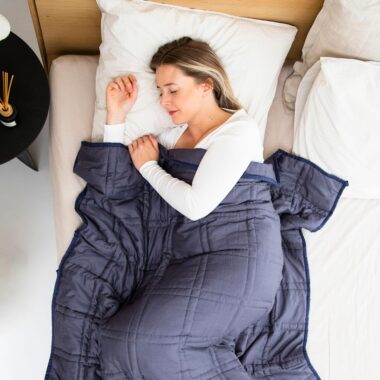

Sleep Disorders Common Among Athletes: Signs and Solutions
Sleep is critical for recovery and performance, especially for athletes. However, sleep disorders are prevalent among this demographic, which can significantly impede athletic progress. Common sleep disorders include insomnia, sleep apnea, and restless leg syndrome. Each of these can hinder the body’s ability to recover from intense physical training. Insomnia often manifests as difficulty falling or staying asleep, leading to fatigue and decreased performance. Athletes might find themselves stuck in a cycle of poor sleep, negatively affecting their training. Sleep apnea, characterized by interrupted breathing during sleep, can lead to excessive daytime sleepiness, making it challenging to maintain focus during workouts. Restless leg syndrome causes uncomfortable sensations that disrupt sleep patterns. Recognizing these disorders promptly is vital for effective diagnosis and treatment. Athletes should consider tracking their sleep patterns to identify any issues. Maintaining a sleep diary can provide valuable insights for healthcare professionals. Seeking a timely consultation with a sleep specialist can also facilitate proper diagnosis and management.
Many athletes are unaware of how sleep disorders can affect their sport performance. An athlete suffering from poor sleep may experience a decline in cognitive function, mood swings, and impaired physical abilities. Research indicates that less sleep correlates with decreased reaction times and increased risk of injuries. For optimal performance, professional athletes should prioritize sleep, aiming for at least 7-9 hours per night. One solution is to establish a consistent sleep schedule, going to bed and waking up at the same time daily, even on weekends. Creating a sleep-friendly environment is also essential. This includes making the bedroom dark, cool, and quiet to promote deep, restorative sleep. Limiting exposure to screens before bedtime is crucial, as blue light emitted can interfere with melatonin production. Regular physical activity during the day can support sleep, but workouts should be scheduled early enough not to interfere with sleep onset. Techniques such as mindfulness and relaxation exercises can also aid in achieving better sleep quality. By recognizing and addressing sleep disorders, athletes can unlock their full potential and enhance their performance on competition day.
Understanding the Impact of Stress on Sleep
Stress is a significant contributor to sleep disorders among athletes. High levels of competition pressure and personal expectations can lead to anxiety that disrupts sleep. Managing stress, therefore, becomes essential for improving sleep quality. Stress management techniques, such as deep breathing, meditation, and yoga, can promote relaxation and help athletes prepare mentally for rest. It’s also beneficial for athletes to engage in open discussions about stress and concerns with their coaches, teammates, or sports psychologists. These conversations can relieve anxiety, making it easier to unwind at night. Incorporating daily routines that include stress-relief practices can create a buffer against sleep disturbances. Furthermore, athletes might benefit from cognitive behavioral therapy for insomnia (CBT-I), which specifically targets the thoughts and behaviors contributing to sleep issues. Educating oneself about the physiological effects of sleep deprivation can offer motivation to prioritize sleep as a crucial part of training. Prioritizing mental well-being directly translates to better sleep, which works not only for recovery but also boosts performance metrics significantly.
Nutrition also plays a vital role in impacting sleep quality among athletes. What you eat can directly influence your sleep patterns, from the timing of your meals to the types of food consumed. Foods rich in magnesium, like nuts and seeds, can promote relaxation and enhance sleep quality. Likewise, incorporating complex carbohydrates can help in serotonin production, aiding better sleep. Conversely, caffeine consumption should be closely monitored; athletes may want to avoid caffeinated beverages in the afternoon or evening to minimize sleep disturbances later. Alcohol, while often thought to aid sleep, can significantly reduce sleep quality, leading to disruptions that prevent achieving restorative sleep stages. Staying hydrated is equally crucial since dehydration can negatively affect sleep. A balanced diet that supports overall health can lead to improved sleep and, consequently, improved athletic performance. Planning meals and snacks around training can help manage energy levels and foster quality sleep at night. Monitoring dietary habits and making informed choices can make a significant difference in optimizing overall performance.
Creating a Personalized Sleep Environment
Designing a sleep environment conducive to rest is paramount for athletes battling sleep disorders. The bedroom should reflect a calming atmosphere that encourages relaxation. This can involve using blackout curtains to block outside light, ensuring the room is cool—ideally between 60-67°F (15-19°C)—and minimizing noise distractions. Some athletes find that white noise machines or earplugs can help manage auditory disruptions. Quality of bedding should not be overlooked; a comfortable mattress and pillows that suit individual preferences play significant roles in promoting deep sleep. In addition, limiting bedroom activities to sleep and intimacy can strengthen the mental association between the environment and sleep, improving sleep onset. Digital minimalism in the bedroom can enhance rest; athletes should consider leaving devices outside of the room altogether. Reducing clutter in the sleep space can have a positive psychological effect, contributing to a clearer mindset that is conducive to sleep. Crafting a personalized sleep environment can ensure athletes receive the restorative sleep required for peak performance.
Sleep hygiene practices should also be a focal point for athletes experiencing sleep disorders. Developing pre-sleep rituals can signal to the body that it’s time to wind down. Allowing time for relaxation activities before bed acts as a transition, preparing the mind and body for sleep. This could involve gentle stretching, reading, or engaging in calming breathing exercises. Athletes may benefit from avoiding stimulating activities that can raise heart rates or cognitive load close to bedtime. Limiting fluid intake before sleep can help avoid awakenings for bathroom use during the night. Regular exposure to natural light during the day can influence the body’s circadian rhythm, supporting better sleep patterns. It’s essential for athletes to listen to their body’s cues and ensure they are not forcing sleep, as this can lead to anxiety around bedtime. Instead, an association between sleep and relaxation should be emphasized. With consistent effort in maintaining sleep hygiene, improved sleep quality can be achieved, providing the foundation for better athletic performance.
Consulting Sleep Experts and Monitoring Progress
Consulting sleep experts becomes particularly relevant for athletes facing persistent sleep disorders. A sleep specialist can provide tailored insights and recommend diagnostic tests, such as a sleep study, to assess sleep quality. Understanding the underlying causes of sleep problems, whether physiological or psychological, is critical in addressing them effectively. Many athletes may benefit from exploring interventions such as cognitive-behavioral therapy that addresses sleep issues directly. Keeping track of sleep patterns using tracking apps or wearable technology can help athletes understand their progress and diagnose potential disruptions. This data provides a baseline for improvements or adjustments needed in their routines. Weekly assessments of sleep quality and duration can also help identify trends and inform necessary lifestyle changes. With professional support and careful monitoring, solutions can be effectively implemented that enhance sleep hygiene and subsequently improve athletic output. These measures are necessary not just for performance but also for long-term wellness. Appropriate sleep management fosters resilience, ultimately helping athletes face the challenges that come with high-stakes competition.
In conclusion, addressing sleep disorders among athletes is integral for achieving optimal performance. Identifying the signs of these disorders early on allows for timely intervention, which is crucial in maintaining health and enhancing athletic capabilities. Solutions range from establishing healthy sleep habits to consulting sleep specialists. Moreover, incorporating stress management practices and nutritional adjustments can significantly enhance overall sleep quality. With proper attention to their sleep, athletes can recover more effectively and maintain focus, translating to successful performances in their respective sports. Improving sleep quality reaffirms that athletes can perform effectively at their peak levels without the detrimental effects of sleep disorders. Athletes must remain vigilant regarding their sleep patterns while actively seeking improvement. Understanding the important role of sleep in athletic performance can lead athletes to prioritize it, embracing rest as an essential component of their training regimen. By implementing the strategies discussed, athletes can pave the way for success while cherishing their health and well-being. Finally, ensuring consistent sleep can pave the road towards greater achievements and long-lasting endurance in sports.