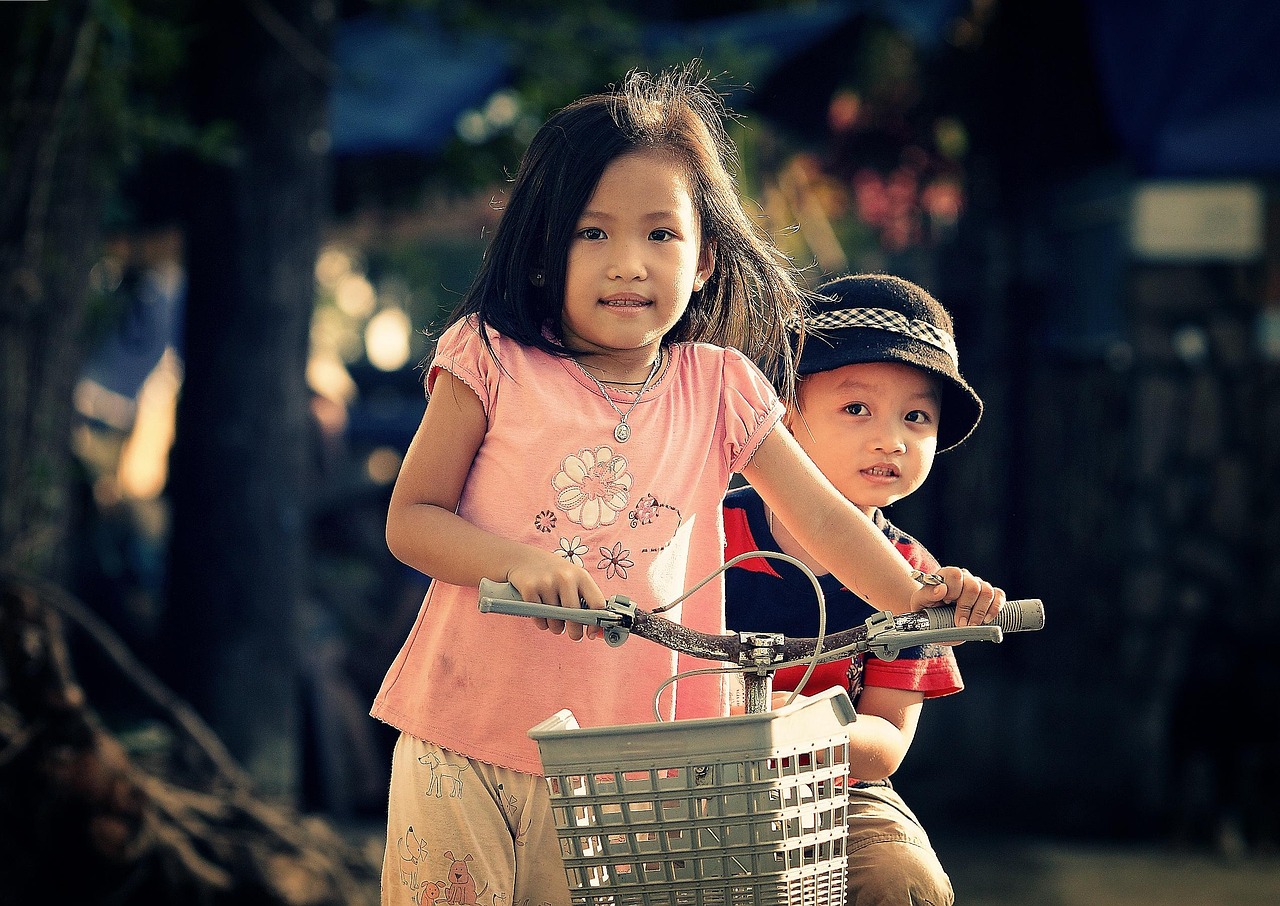

Physical Activities to Reduce Stress in Children
Children today face various stressors, which can significantly impact their emotional well-being and development. Incorporating physical activities into their daily routines serves as a powerful tool in alleviating stress among children. Activities such as running, dancing, and playing team sports provide them with opportunities to release pent-up energy and improve mood. Physical exercise stimulates the release of endorphins, known as the “feel-good hormones,” which help mitigate feelings of anxiety. Furthermore, participating in structured activities fosters social interaction, enabling children to build friendships and develop essential coping skills. Outdoor play, in particular, offers numerous benefits, such as enhancing creativity and promoting problem-solving skills. Engaging with nature also cultivates a sense of calmness and relaxation. From hopping on bikes to playing tag at the park, these activities create a joyful atmosphere that counters stress. It is essential to encourage children to be active regularly to maximize these benefits. Parents and guardians should lead by example while also ensuring children understand the importance of physical health in managing stress effectively, thus shaping a healthier lifestyle for years to come.
Team sports are another excellent avenue for stress relief in children. Engaging in sports such as soccer, basketball, and baseball not only provides physical benefits but also promotes teamwork and cooperation. These activities require effective communication and strategy, which can divert attention from stressors in children’s lives. As they learn to collaborate with teammates, they develop robust social skills and a sense of belonging, essential for emotional resilience. The competitive nature of sports also instills valuable lessons about handling victories and defeats, teaching children to cope with life’s ups and downs. Moreover, regular practice not only improves physical fitness but also helps children cultivate discipline and persistence. Participation in sports groups helps children develop friendships that offer additional support during tough times. Coaches play a crucial role by providing mentorship, which reinforces positive behaviors and boosts self-esteem. Encouraging sports participation can lead to an overall healthier lifestyle, making children less susceptible to stress and anxiety. Therefore, introducing children to various sports can have lasting benefits that go far beyond just physical fitness, enriching their lives on multiple levels.
Another effective way to reduce stress in children is by incorporating relaxation techniques into physical activities. Techniques such as yoga and tai chi promote mindfulness and relaxation, making them ideal for stress management. These activities allow children to focus on their breathing and movements, fostering a sense of inner calm. Engaging in yoga can help them develop better body awareness, strengthen their minds, and improve flexibility. Moreover, yoga and tai chi equip children with techniques they can apply in stressful situations, helping them to remain more centered. By consistently attending sessions, children learn how to feel in control, increasing their confidence levels. Setting aside time for family yoga or tai chi classes provides a wonderful opportunity for bonding and reinforcing relaxation techniques together. Using visuals and playful themes while teaching these techniques can make them accessible and fun for children. Such practices create calming routines that can be beneficial not only during stressful moments but also as long-term coping strategies. Overall, integrating relaxation exercises into children’s lives is a holistic approach to nurturing their emotional health.
Outdoor Adventures: Nature’s Impact on Stress
When children spend time outdoors, they experience a significant reduction in stress levels. Nature provides a calming backdrop that fosters relaxation and an overall sense of well-being. Activities like hiking, climbing, or even simple nature walks help children disconnect from everyday pressures. Exploring the outdoors encourages curiosity and creativity, as children observe the world around them, enhancing their connection with nature. Studies have shown that spending time outside reduces cortisol levels, a key stress hormone, thereby improving mood and mental clarity. Outdoor activities serve as a natural stress reliever, allowing children to engage their senses fully. The sounds of birds chirping, leaves rustling, and the fresh air all contribute to a rejuvenating experience. Families can plan weekend excursions to parks or forests, creating cherished memories while simultaneously reducing stress. Furthermore, sharing these adventures with friends bolsters social bonds and fosters support among peers. It is crucial for parents to encourage outdoor exploration in winter and summer, as this exposes children to diverse experiences that ultimately promote a healthier outlook on life.
Dance is an exhilarating physical activity that offers both creative expression and stress relief for children. Whether participating in ballet, hip-hop, or even free-form dancing, movement can be an incredible outlet for emotional energy. Dance encourages children to express their feelings in a non-verbal manner, allowing for emotional release and self-discovery. It also aids physical coordination and boosts self-esteem through body awareness and movement. Enrolling children in dance classes can provide a sense of community and belonging, leading to friendships that provide emotional support. Additionally, when children engage in dance, they often experience fun and joy, reinforcing positive feelings that counteract stress. Dance lets them break away from academic pressures or social challenges, offering a healthy and efficient emotional outlet. By incorporating regular dance sessions into their routines, children not only improve their physical health but also cultivate a healthier approach to managing emotions. Ultimately, dance serves as a dynamic method for allowing children to connect with themselves and others in a supportive environment while reducing stress levels.
Playtime: Creative Games and Fun
Engaging in playful games and physical activities is fundamental for stress relief in children. Activities like tag, hide-and-seek, or obstacle courses foster creativity while encouraging physical movement. These fun interactions not only promote health but also provide an essential way for children to bond with their peers and family. Initiating group games cultivates teamwork, instilling cooperation and communication skills. Such playful environments enhance children’s social skills and emotional intelligence as they learn to navigate relationships. This creates an atmosphere where they can express themselves freely without fear of judgment. Moreover, these types of activities often lead to laughter and joy, significantly alleviating stress. Playtime also provides a wonderful distraction from everyday worries, allowing children to focus on the moment at hand. Incorporating crafts or imaginative play can further stimulate creativity, fostering mental well-being and promoting critical thinking. Parents can encourage unstructured playtime, which offers children the freedom to invent their games and explore their interests, contributing to overall emotional resilience and well-being.
In conclusion, physical activities play a vital role in reducing stress in children. Regular engagement in sports, outdoor adventures, dance, and creative play provides them with necessary physical outlets that directly impact their emotional health. Introducing various forms of exercise allows children to discover their interests while developing essential coping strategies. These activities foster social connections, promote self-confidence, and enhance overall well-being, making them integral for any child’s development. Parents, educators, and caregivers must support and encourage children’s physical endeavors. Physical play routines should prioritize enjoyment over competition, focusing on the positive impact they have on mental health. By promoting joyful and structured physical activities, we equip children with valuable resilience skills that can serve them throughout their lives. As they learn to manage stress effectively, they will grow into healthier, happier adults. Ultimately, truly understanding and addressing children’s needs holistically contributes significantly to their overall well-being. Therefore, combining physical health with emotional support creates a strong foundation for a brighter future.
Furthermore, integrating wellness programs at schools can reinforce the importance of physical activity and stress management. Implementing workshops or sessions focused on movement techniques and stress relief practices develops a comprehensive approach to mental health in educational environments. Educators can incorporate short movement breaks between classes, allowing students to recharge both physically and mentally. These breaks are essential for helping children better manage the challenges of learning, ultimately fostering a healthier classroom atmosphere. School sports teams should also emphasize teamwork and personal development over competition. This ensures that each child gains confidence and learns valuable life lessons that apply beyond sports. Schools can collaborate with parents to promote physical activity at home, solidifying the importance of an active lifestyle in children. The objective should always be to establish lifelong habits that foster emotional resilience through active living. Society benefits from healthy children who grow into well-adjusted adults. Therefore, it is crucial for all stakeholders to recognize and nurture the connection between physical activity and stress management in children. By prioritizing these elements, we can create a supportive framework for emotional health that will pay dividends in the future.