
Maximize Strength Gains with Yoga Assisted Bodyweight Exercises
Combining yoga with bodyweight exercises can significantly enhance your strength-building efforts. Yoga assists with flexibility and balance while bodyweight exercises provide a robust strength foundation. This synergistic approach yields a comprehensive fitness routine targeted towards overall strength development. Regular practice not only improves physical performance but also enhances muscle control and stability. Techniques from yoga foster a deeper connection to the body, enhancing awareness during muscle engagement. Including movements like the downward dog can improve your core strength, which is vital for bodyweight exercises. Additionally, poses such as the warrior can teach proper alignment and stability, essential for progression. You’ll notice improvements in your body’s ability to handle weight, which is crucial for strength gains. Always remember to integrate proper breathing patterns; inhaling during exertion and exhaling during relaxation maximizes oxygen flow to your muscles during workouts. Also, focus on maintaining progressive overload by gradually increasing the intensity or complexity of your exercises. This combined training approach can lead to a more effective workout regimen and greater strength outcomes.
Furthermore, yoga aids in injury prevention by promoting better flexibility and muscle endurance. These attributes are essential in executing bodyweight exercises more efficiently and safely. When performed correctly, yoga can counteract muscle imbalances and increase lymphatic flow, a vital component for muscle recovery. Each yoga pose encourages the engagement of different muscle groups, providing a comprehensive workout experience. For example, practicing the plank pose not only strengthens the core but also enhances shoulder stability. By integrating yoga into your fitness routine, you reduce the likelihood of injuries that can occur from repetitive bodyweight movements. Additionally, yoga’s emphasis on alignment and posture ensures that your body mechanics are executed correctly, decreasing strain. As a result, you can focus on maximizing your strength gains without compromising your safety. Moreover, this holistic approach helps in building mental discipline and resilience, imperative for completing challenging workouts. Establishing this mental toughness allows individuals to push through difficult bodyweight exercises that promote muscle growth effectively. Therefore, blending both practices will lead to an adaptable and robust training program.
Benefits of Integrating Yoga with Bodyweight Training
The integration of yoga into your bodyweight training offers numerous benefits. This distinctive combination helps create a balanced workout that builds strength while enhancing flexibility. Improved joint mobility gained from yoga allows for a greater range of motion during bodyweight exercises. When your joints are more mobile, you perform movements like squats and push-ups with better technique. This combination also leads to greater muscle engagement, as your body learns to connect different muscle groups effectively. Many bodyweight exercises rely heavily on stability and control, characteristics taught through various yoga poses. For example, practicing balance poses like tree pose enhances the stability needed for one-legged squat variations. Enhanced body awareness gained through yoga translates directly to improved performance in bodyweight training. As you progress, this heightened awareness allows for better adjustments in movements. Furthermore, yoga acts as an excellent recovery tool between bodyweight workouts. Stretching tight muscles assists in alleviating soreness and alleviates muscle fatigue, ultimately leading to quicker recovery times. With these benefits, integrating yoga ensures a more well-rounded fitness regimen.
Incorporating yoga assisted bodyweight exercises into your routine demands a strategic approach. You’ll want to identify a range of bodyweight exercises that benefit from yoga’s influence. For instance, focusing on push-ups alongside poses like downward dog can enhance upper body strength and flexibility. Transitioning between these movements establishes a greater connection between strength and mobility. This dynamic approach creates a workout that can be both challenging and rewarding. Additionally, consider partitioning your training sessions explicitly. Start with yoga to warm up and actively engage your muscles before transitioning into high-intensity bodyweight exercises. This flow creates an optimal environment for strength gains. On the other hand, some prefer to end workouts with restorative yoga sessions, enhancing muscle recovery post-strength training. Tailoring your routine ensures alignment with your fitness goals. It’s essential to listen to your body during these workouts. Pay attention to any discomfort, ensuring movements remain within your capability. Lastly, remember one vital aspect, consistency will yield remarkable results over time. Establishing a regular training schedule is key for progressing toward achieving your strength goals.
Essential Yoga Poses to Complement Bodyweight Exercises
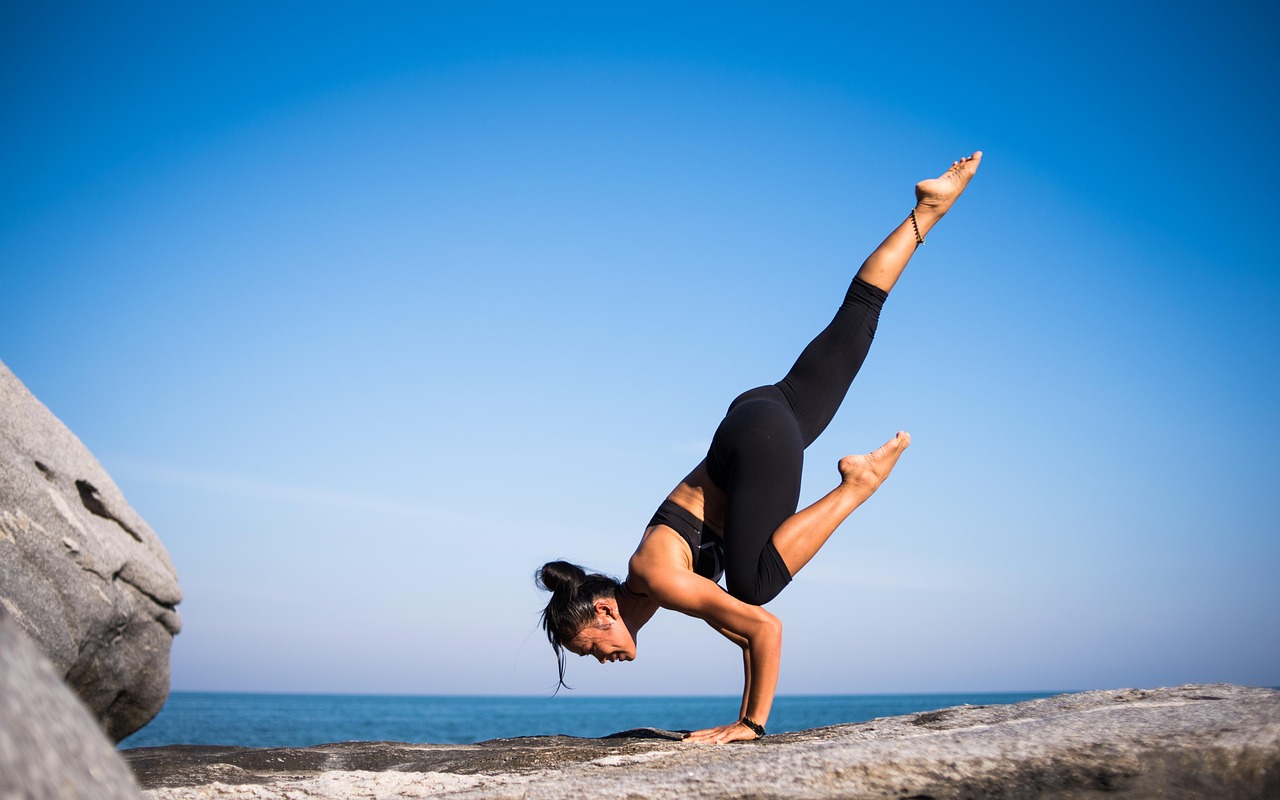
Several specific yoga poses are essential for complementing bodyweight exercises and enhancing strength gains. The Chaturanga is a foundational pose that directly impacts strength training in bodyweight workouts. This pose mimics the downward phase of push-ups and emphasizes core engagement. Progressing your strength levels while practicing Chaturanga translates directly to enhanced push-up performance. Warrior II is another powerful pose that builds leg and core strength. It perfects the alignment of your legs, allowing better stability while performing squats or other lower body exercises. Additionally, Crow Pose introduces balance while strengthening your arms and core. Integrating it with exercises like handstands can greatly enhance overall upper body strength. Incorporating flexibility poses such as Pigeon Pose effectively stretches tight hips often experienced during bodyweight workouts. By alleviating muscle soreness, you improve the overall experience of these exercises. Lastly, Bridge Pose contributes significantly to lower back strengthening, which is crucial for maintaining an appropriate posture during bodyweight workouts. Understanding how these poses interconnect ensures a successful training program.
Mindfulness also plays a critical role in maximizing strength gains through yoga-assisted bodyweight exercises. Both practices focus on being present in the moment, bringing awareness to your body during workouts. Mindfulness allows for greater body control, promoting effective movements essential for strength development. Practicing visualization techniques can also improve performance by envisioning successful execution of bodyweight exercises. Mental rehearsal solidifies the connection between mind and body, facilitating better physical execution. This practice doesn’t solely benefit performance; it also enhances engagement during yoga and workouts. Higher levels of engagement increase workout intensity, fostering better strength gains over time. Moreover, mindfulness teaches you to recognize your body’s limits and pushes you to improve them gradually. This realization fosters a much healthier relationship with strength training. Recording your workouts and progress aids in tracking improvements, providing insight into your ongoing journey. Monitoring your achievements makes it easier to adjust goals and maintain motivation levels. Additionally, consider joining a community that blends yoga with bodyweight training, aiding accountability and support through shared experiences. Cultivating a solid network enhances the overall journey of strength development.
Conclusion
In conclusion, maximizing strength gains with yoga-assisted bodyweight exercises results in a holistic workout experience. The balance of strength and flexibility present in this regime invites significant physical improvements while enhancing overall well-being. Implementing strategies such as integrating essential yoga poses with bodyweight movements can optimize your strength-building efforts. Properly tailored workouts promote injury prevention and boost recovery speeds, crucial components for sustained growth. As you work towards reaching your goals, remember the importance of consistency and patience. Regular practice is essential for witnessing results and achieving long-term success. The mental discipline nurtured through yoga significantly enhances physical performance, creating a comprehensive training approach. Furthermore, mindfulness techniques encourage deep-seated strength improvements by fostering enhanced engagement. Respecting your body’s limits and its progression will cultivate a more profound relationship with fitness. Lastly, always seek knowledge from various sources and adapt your training as needed. This pursuit of knowledge will enhance your bodyweight training journey and cultivate lasting enjoyment. Hence, embracing this integrated approach can lead to a remarkable fitness journey, featuring impressive strength builds.
This is another paragraph with exactly 190 words…