
Jump Rope Alternatives for Low-Ceiling Areas
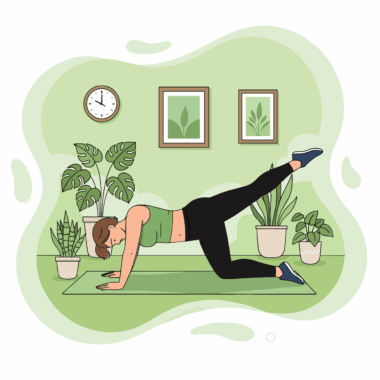
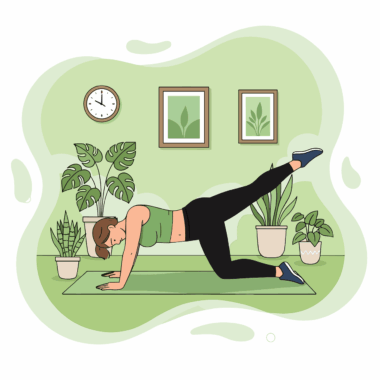
When living in small spaces, traditional jump ropes may not be feasible, especially with low ceilings. Fortunately, various alternatives exist that can replicate the benefits of jumping rope while ensuring safety and comfort at home. Utilizing resistance bands is one effective option. They provide flexibility and can be anchored to secure points in your home. Another option can be a mini-trampoline. Although it has a higher profile, it promotes cardio workouts while reducing impact. Impact can be minimized, allowing you to enjoy fun motion without risking head injuries. Also, consider shadow jumping as a satisfactory jump rope alternative. This includes performing the motions of jump roping without a physical rope, reducing the potential for any ceiling collisions. Additionally, you may want to invest in jumping jacks as an excellent substitution. They generate similar cardiovascular benefits without requiring the rotation of a rope. Other alternatives include high-knees or lateral leg raises for various workouts. Each of these methods can effectively help you achieve your cardio goals in a small space. They can elevate your heart rate without spatial limitations, ensuring a productive workout session every time.
Moreover, integrating bodyweight exercises into your routine offers ample options for effective home workouts in confined areas. Push-ups, squats, and lunges are fantastic exercises that can be performed anywhere, requiring no special equipment while engaging multiple muscle groups. Incorporating these exercises into a circuit can help maintain an elevated heart rate without needing expansive movement. You might also try plyometric exercises, including squat jumps and tuck jumps. They are excellent for improving cardiovascular fitness despite their minimal space requirements. Another fun alternative could be dancing. Turning on your favorite playlist allows you to get your heart pumping while staying in a small area. Not only does it boost your cardio, but it’s fun and engaging too! Further, consider using a balance board for a different workout variation. This approach enhances core stability and can serve as an enjoyable method to switch up your routine. Moreover, resistance bands, aside from traditional weights, can introduce resistance to common movements, making them effective and space-conscious. Overall, adapting your fitness routine helps maximize your results in limited environments while keeping your exercises both engaging and practical.
Incorporating Cardio and Strength
One of the most effective tactics is combining cardio and strength-building exercises for a well-rounded approach to home workouts. Cardiovascular health is essential, especially when adapting routines to smaller areas. Burpees, for example, combine strength, balance, agility, and core stability in a single dynamic movement. This requires minimal space and can be easily modified based on your fitness level. Furthermore, jumping in place with high knees can get your heart rate up while ensuring you remain conscious of your surroundings. Consider alternating cardio bursts with brief strength-building segments. Incorporating planks or wall sits within your cardio routine can ensure that you’re not entirely focused on high-impact motions. You can even use furniture for assistance—using a sturdy chair, for instance, can aid in performing chair dips or incline push-ups for added strength building. Another option is engaging in resistance exercises, utilizing bands to strengthen arms and legs. Finding whatever open space in your home ensures that there’s sufficient room for various body movements can increase your workout’s overall efficiency. Trailblazing a path maintains both expertise and safety with each exercise to keep workouts effective without being hindered by a small area.
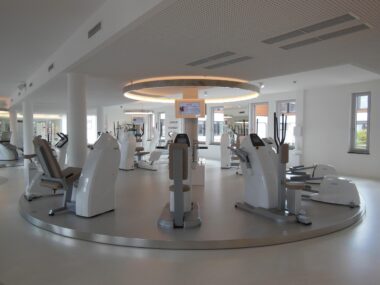
Beyond traditional workouts, utilizing mobile or portable fitness equipment can also cater to your training needs. For instance, consider adjustable dumbbells. Unlike conventional weights, adjustable dumbbells are compact and can be stored easily while offering considerable variation for strength training routines. Kettlebells also serve as great exercise aids. These weighted tools can engage multiple muscle groups simultaneously and encourage cardio participation through dynamic movements. Another bachelor’s favorite is the suspension trainer. This device can anchor to various surfaces and allows a multitude of exercise options focusing on strength and flexibility while taking minimal space. You might also explore compact smart fitness technology, such as connected fitness systems that offer video workouts in limited areas and customized training programs. Stability balls can also be advantageous for enhancing core strength and improving balance during home workouts. Their versatility can multiply workout routines within any space. In essence, adaptive fitness equipment can enrich your home workouts while ensuring that you keep it dynamic and interesting, maximally utilizing whatever available space you have without compromising the quality of your training.
Practicing Mindfulness and Focus
Mindfulness is another vital component when exercising in small spaces. Practicing yoga or tai chi provides significant benefits, emphasizing stability and core strength. Both activities are well-suited for limited areas since they involve controlled movements and postures, often requiring minimal space. Including these practices into your routine allows you to develop flexibility while increasing body strength. Gentle stretching or mobility exercises can also enhance your performance in high-intensity workouts. Specialized practices like Pilates focus on developing core strength, increasing flexibility, and enhancing posture, all without taking up excessive space in your home. Breathing techniques integrated with these practices can improve your focus and overall fitness experience. You may find that engaging in more mindful forms of exercise lowers stress, helping you maintain a balanced lifestyle. Additionally, recentering through short meditative sessions between workouts may also help improve your mental stamina. To maximize usage, consider meditative intervals with mindful stretching, assessing how your body feels. Ultimately, mind-body integration during workouts is essential to overall performance enhancement in limited living areas.
In conclusion, adapting home workouts for smaller spaces can be highly effective when implemented with creativity and resourcefulness. Jump rope alternatives include various methods like shadow jumping, resistance band workouts, and alternative exercises that require less overhead space. By incorporating bodyweight workouts, strength training, and cardio, you ensure you’re efficiently utilizing your available space without sacrificing results. Consider integrating yoga or mindfulness practices to improve both physical and mental well-being. It’s essential to find routines that work for your lifestyle and available space, so mix and match various exercises. Each workout doesn’t need to rely solely on the quantity of available space but can hinge on your adaptability. Stay committed to challenging yourself while remaining compassionate towards your limitations. Remember to maintain a dedicated space for your workouts, allowing you to immerse yourself fully in the session. Creating an intentional atmosphere helps channel focus whether through tranquil atmosphere or motivational decor. You can cultivate a fulfilling fitness journey without corresponding high ceilings by remaining open to different methodologies and approaches. Enjoy experimenting with each technique, finding the balance that suits your needs!
As you embark on your fitness journey in a small area, don’t forget to track your progress and continuously adapt your routines to achieve your fitness goals. Having realistic expectations can significantly enhance your progress without setting yourself up for disappointment. Setting attainable milestones allows you to appreciate small achievements that can lead to further motivation. Keep a workout journal to record performance metrics and body measurements while mapping out routine changes based on how your body feels and responds to various exercises. You could also join online forums or local clusters that focus on home fitness. Connecting with others will not only motivate you but provide additional workout ideas and adaptive techniques to bolster your experience. Enabling community support can help foster your fitness journey immensely. Consider sharing accomplishments and asking for advice; social accountability may become a crucial factor in maintaining consistency with your practice. Finally, celebrate every effort, regardless of how insignificant it may seem. Every step counts towards a healthier lifestyle, proving that effective home workouts within smaller confines are both achievable and rewarding.
Whether looking for jump rope alternatives or broader fitness methodologies to incorporate at home, understanding and addressing the limitations and benefits of your space creates opportunities for creative expression. Tailoring your approach to suit individual preferences enhances the experience, further immersing you in the process. Adapting your surroundings to cater to fitness needs requires consideration, innovation, and attunement to your physical and emotional responses throughout your journey. Allowing flexibility by engaging in various activities ensures you never become bored. Ultimately, home workouts can become enjoyable and impactful, realizing that fitness exists beyond conventional expectations. Embracing adaptability aids in creating a persistent effort, demonstrating that a small setup can lead to significant outcomes. Make the most of your home workouts and persistently seek novel ways to embrace physical well-being, proving that smaller living spaces can harbor incredible possibilities and transformations.