
Integrating Mindfulness Practices into Indoor Cycling Sessions
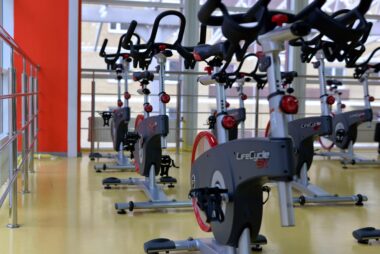
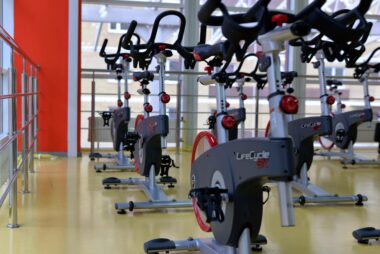
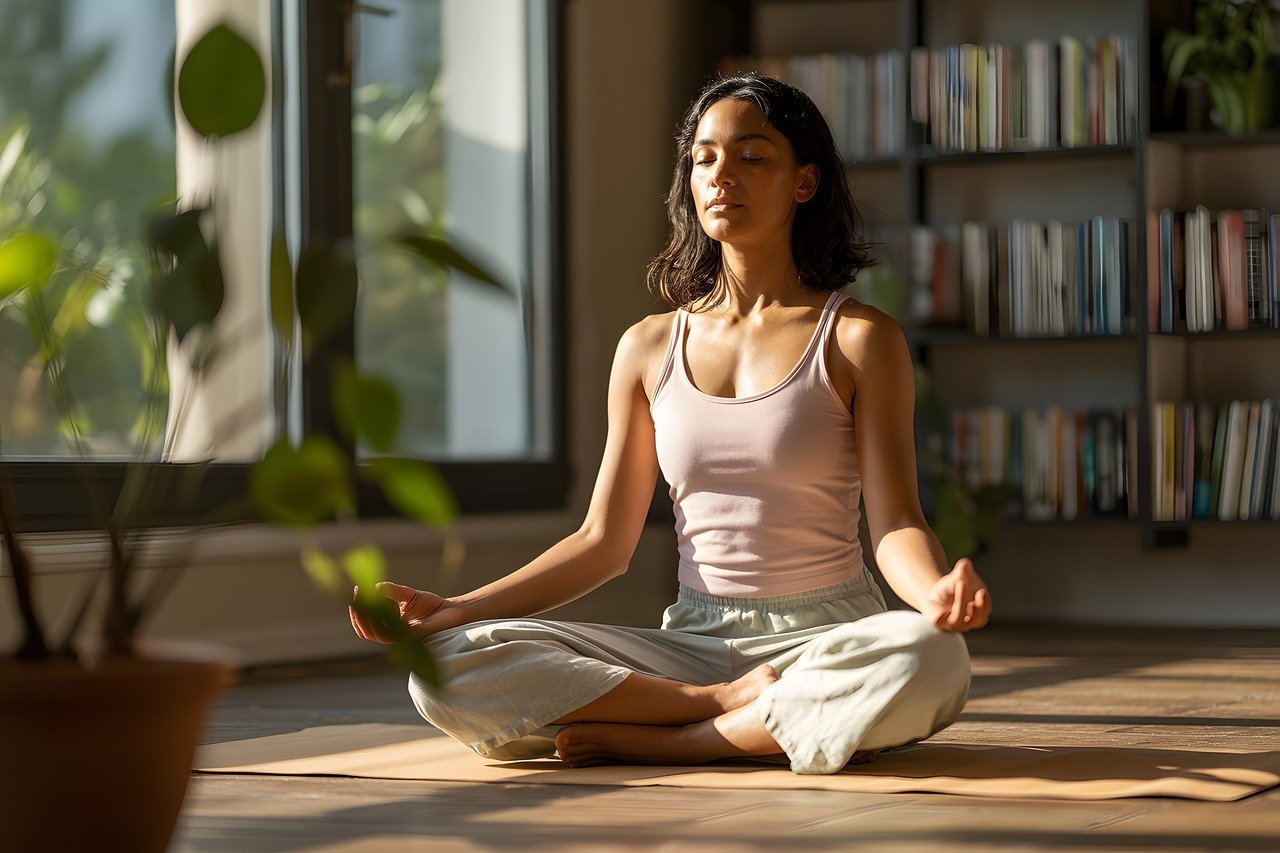
As the fitness industry evolves, indoor cycling has witnessed remarkable changes that encompass not only physical workouts but also holistic well-being. The integration of mindfulness practices into indoor cycling sessions is garnering attention by acknowledging the mind-body connection. These practices promote a more engaged and conscious environment for cycling enthusiasts, helping participants foster a deeper connection with themselves. Rather than mere physical exertion, these sessions encourage a reflective state that enhances performance and enjoyment. Instructors can introduce mindfulness through breathing exercises and guided imagery at the start of sessions, allowing individuals to center themselves. This approach enables cyclists to let go of external distractions, focusing solely on the rhythm of their pedaling and the intensity of their workout. Moreover, mindful practices can enhance overall motivation and reduce stress, creating an empowering atmosphere where cyclists thrive. As participants learn to channel their thoughts positively and prioritize mental presence over autopilot cycling, the results can be transformative. Therefore, incorporating mindfulness into cycling classes can result in a more rewarding and impactful experience for all involved.
This shift in focus supports not only physical fitness but also mental health, making indoor cycling sessions a comprehensive workout. Yet, the potential benefits of combining mindfulness with cycling extend further, enhancing participants’ overall wellness and satisfaction. Mindful cycling allows cyclists to establish a harmonious relationship between body and mind, encouraging them to listen to their body’s needs while enjoying their time on the bike. Each pedal stroke becomes a meditative practice that promotes relaxation, even amidst challenging intervals. By incorporating music that resonates emotionally, instructors can amplify this experience, creating an immersive journey where riders escape everyday distractions. Key components of mindful indoor cycling include visualization techniques and mantras that uplift participants during difficult moments. Riders can visualize their goals, reminding them of their strength and purpose as they cycle. Furthermore, community connection through shared mindfulness practices fosters a supportive environment, creating a sense of camaraderie among participants. As cyclists share their experiences with mindfulness, they can motivate one another and strengthen group dynamics, making classes more enjoyable and fulfilling.
Practical Mindfulness Techniques for Cycling Classes
Several practical mindfulness techniques can effectively be incorporated into indoor cycling classes. One approach is teaching participants to focus on their breath throughout the session. Instructors can encourage cyclists to take deep, intentional breaths to help regulate their heart rate, reduce anxiety, and maintain focus. By emphasizing breath awareness, riders learn to connect with their inner selves, facilitating a powerful experience on the bike. Another technique is to integrate visualization strategies. Instructors might guide cyclists to visualize themselves achieving their fitness goals, whether it’s completing a challenging ride or hitting a new personal record. This process can enhance motivation and boost self-confidence, promoting a stronger sense of purpose during workouts. Furthermore, the use of affirmations during sessions can inspire cyclists. Phrases such as “I am strong” or “I can overcome obstacles” can help boost morale and reinforce a growth mindset. Emphasizing the importance of mindset not only enhances performance but also ensures enjoyment, as cyclists feel empowered to face challenges with positivity. These techniques collectively contribute to a more mindful and gratifying indoor cycling experience.
Moreover, creating a mindful environment extends beyond individual practices; it greatly depends on the cycling studio’s atmosphere. The setting should exude calm and tranquility, with dim lighting and soft colors that promote relaxation. Instructors can curate playlists that emphasize calming melodies or motivational tracks that resonate with participants, enhancing emotional engagement. Regular feedback sessions focusing on cyclists’ mental wellbeing can also encourage them to embrace mindfulness practices as part of their routine. Participants may discuss their experiences and share insights in an open forum, allowing them to learn from one another. Incorporating mindful cooling down routines can round off the cycling experience effectively. Instructors might choose to lead participants through gentle stretching or meditation at the end of a session, reinforcing the mental benefits gained during the workout. Thus, reflection provides individuals with closure, solidifying their mindful cycling journey. Establishing a welcoming and nurturing atmosphere contributes to overall success, helping participants connect with and appreciate the transformative aspects of mindfulness in their cycling practices.
Encouraging Mindfulness Beyond the Studio
The practice of mindfulness shouldn’t be confined to the walls of the cycling studio. Instructors can encourage participants to carry these techniques into their daily lives. By promoting mindfulness off the bike, cyclists can transform their overall well-being, ultimately enhancing their indoor cycling sessions. Simple practices, such as mindful walking or eating, can be integrated into daily routines, emphasizing awareness in every action. Engaging in mindfulness during daily activities cultivates a deeper sense of presence, contributing to better mental focus and emotional regulation. Additionally, following indoor cycling with mindfulness-focused discussions or workshops can strengthen the connection between instructors and participants. Cyclists can explore topics such as stress management, emotional resilience, and mindful living studies, incorporating theory into practice. Supporting members in developing their mindfulness journey provides valuable tools that can further improve their cycling performance. Encouraging peer support groups can also leave participants feeling more motivated and connected. The importance of nurturing a community that values mindfulness fosters lasting friendships and encourages lifelong commitment to both cycling and personal growth.
Furthermore, technology can play a vital role in enhancing mindfulness practices among indoor cyclists. Fitness apps and wearable devices can be used to track progress, monitor heart rates, and set goals—fostering a sense of awareness and commitment. Integrating mindfulness-focused fitness challenges through these devices can inspire users to explore new techniques and embrace challenges more continuously. Guided meditation apps specifically designed for cyclists can also help reinforce mindfulness, allowing participants to practice self-reflection between sessions. Developing a variety of accessible resources empowers participants to adopt mindfulness as a regular practice, transcending their cycling workouts. Additionally, sharing success stories from cyclists who embrace mindfulness can inspire and motivate others to follow suit. Testimonials can highlight how adopting these practices has positively impacted their mental and physical health. The resulting ripple effect benefits the community as a whole, strengthening the bond among participants and creating a culture of mindfulness. Ultimately, technology serves as a tool for integrating mindfulness into cycling, enhancing experiences and encouraging personal growth.
Conclusion: The Future of Mindful Indoor Cycling
The future of indoor cycling lies in its ability to embrace holistic approaches, prioritizing well-being alongside fitness. The integration of mindfulness practices plays a pivotal role in shaping that future. By recognizing the significance of mental health and emotional resilience, cycling studios can cultivate an environment that nurtures growth and connection. The increase in mindfulness-integrated classes will likely prompt a shift towards more personalized experiences, guiding cyclists on their unique paths to development. Furthermore, the demand for mindfulness-centered fitness will likely encourage instructors to enhance their skills and adapt their teaching styles accordingly. Training programs focusing on mindfulness will emerge, equipping instructors with the tools needed to create transformative experiences for participants. The positive effects of mindful indoor cycling can ultimately lead to long-lasting benefits for both body and mind, establishing a sustainable model within the fitness industry. As indoor cycling becomes increasingly popular, the pursuit of mindfulness may serve as a cornerstone for connection, strengthening community ties and promoting overall well-being. The journey toward a balanced, mindful approach to fitness is just beginning, and its impact can shape the future of many indoor cyclists.
The long-term effects emphasize the importance of integrating mindfulness into indoor cycling practices, fostering greater awareness of oneself and one’s needs. As athletes become more in tune with their bodies and emotions, they may benefit from increased focus, resilience, and satisfaction in their performance. The ripple effect of enhancing the mind-body connection may extend beyond the bike, creating healthier life choices and improved overall well-being. Consequently, mindfulness practices will continue to grow in significance within the realm of indoor cycling as individuals seek a deeper connection to fitness. This ongoing evolution highlights the relationship between one’s physical state and mental health, suggesting that the incorporation of mindfulness can revolutionize the cycling experience. Future generations of cyclists may increasingly rely on mindfulness strategies, shaping their habits and expectations for fitness classes. Integrating awareness into cycling sessions cultivates a richer experience that nurtures community engagement and personal growth. As facilities adopt these practices, cyclists may become ambassadors for the mindful approach, advocating for its benefits, and sharing their experiences within the broader fitness community. Ultimately, the future of indoor cycling is set to flourish with mindfulness at its heart.