
Incorporating Unilateral Exercises in Advanced Strength Workouts
Unilateral exercises have become a staple in advanced strength training routines, offering unique benefits that can significantly enhance performance. These exercises, which involve working one limb at a time, help to address muscular imbalances and promote greater functional strength. When incorporated effectively, unilateral movements can also lead to improved core stability as the body engages additional muscles to maintain balance. Advanced lifters are encouraged to integrate unilateral exercises into their regimen systematically. Consider focusing on exercises such as single-leg squats, one-arm dumbbell rows, and single-arm overhead presses. Performing these exercises not only increases strength in the targeted limb but also helps to stabilize the core, enhancing overall strength. While unilateral exercises can be quite challenging, they add variety and engage different muscle groups compared to traditional bilateral exercises. It is essential to maintain proper form throughout, as this will minimize injury risk. Moreover, the psychological aspect of training—focusing on one side of the body at a time—encourages mindful movement and greater connection to the muscle being trained. Those who implement unilateral exercises typically see improvements in their bilateral strength as well.
Benefits of Unilateral Training for Strength Development
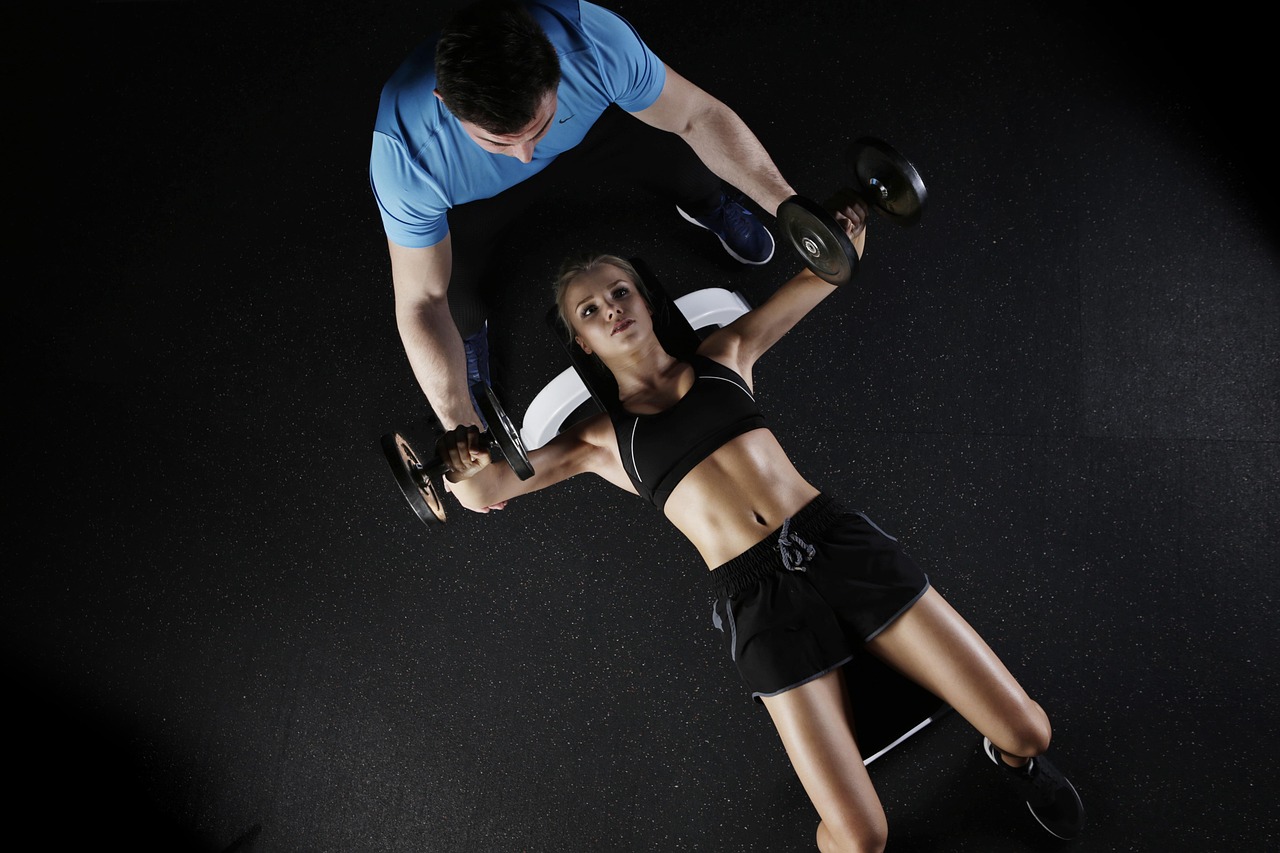
Incorporating unilateral training offers various benefits that can help advanced lifters achieve new levels of strength. One key advantage is the development of symmetry in strength, as many individuals exhibit strength discrepancies between limbs. As a result, unilateral exercises actively work to correct these imbalances, allowing for even muscle development. Moreover, unilateral training often engages stabilizing muscles that are typically underworked during bilateral workouts. For example, when performing a single-arm dumbbell bench press, the body activates muscles in the core and shoulder that aid in stabilization. This action translates into better performance with traditional lifts, benefiting overall strength gains. Unilateral exercises also enhance functional fitness by mimicking real-world movements, which are rarely perfectly symmetrical. By improving balance and coordination, lifters find greater ease in athletic endeavors outside the gym. Furthermore, using unilateral work can provide varied stimulus, which helps to circumvent plateaus in training. Athletes will appreciate the added challenge of working one side at a time, as it refines focus and engagement with each movement while fostering greater connection with their physical capabilities.
To effectively integrate unilateral exercises into your strength training program, planning is essential. Start by assessing your current routine and identifying areas that might benefit from unilateral work. For example, consider replacing one or two of your standard exercises with their unilateral counterparts in each training session. This addition allows you to focus on each side’s capabilities, fostering balance and symmetry. Additionally, you can incorporate unilateral movements as accessory work, performing them after your primary lifts to reinforce strength development. Make sure to prioritize proper warm-up techniques before engaging in unilateral exercises, as they require increased stability and coordination. Always begin with lighter weights to ensure you maintain form and control before increasing resistance. Common programming strategies include varying repetitions between limbs; for instance, performing eight to twelve reps per side based on capacity. Track your progress by noting improvements in strength and balance to evaluate the effectiveness of unilateral training. Finally, engage in recovery practices that support muscle development. This includes prioritizing rest and nutrition tailored to your training goals, ensuring optimal recovery and growth outcomes in strength training overall.
Popular Unilateral Exercises to Incorporate
When it comes to selecting unilateral exercises for your advanced strength training regimen, several movements stand out for their effectiveness. First, single-leg deadlifts are exceptional for targeting the hamstrings and glutes while demanding core stability. Progressing to these can build overall strength and balance. Another beneficial movement is the lunge; variations such as the rear-foot elevated split squat can target multiple muscle groups effectively. Consider integrating single-arm rows to enhance back strength while focusing on stabilizing the core. A fundamental exercise in current programs is the single-arm overhead press, which forces the body to engage stabilizer muscles while performing the lift. Also, single-leg calf raises will develop the lower leg and support ankle stability. Each of these exercises can significantly contribute to a well-rounded strength training program. Not only do unilateral movements improve strength, but they also challenge balance and coordination. Ensure that you allow for adequate rest between sets, as unilateral work can increase fatigue levels more significantly than bilateral lifts. Ultimately, diverse exercises provide various training stimuli, keeping workouts engaging while maximizing strength potential.
As you progress with unilateral training, consider the importance of tracking your workouts to gauge improvements. Maintaining a workout log will help you stay consistent and accountable, allowing you to monitor performance across different exercises. Beyond noting weights and reps, consider assessing your perceived effort and overall stability during these lifts. This data can provide insights into areas that require extra focus, revealing any emerging imbalances. Additionally, think about rotating exercises every few weeks to keep your training fresh while challenging your muscles in new ways. For example, switch from single-leg exercises to single-arm variations periodically. Engage with a community of like-minded individuals to share tips and experiences while finding motivation. This additional support can help maintain consistency and improve your results. Remember that recovery is just as vital as the workouts themselves, making rest days and nutrient-rich meals key components of your training. Developing a holistic approach that combines rigorous workouts, tracking performance, adequate recovery, and community support ensures you reap all the benefits unilateral training offers. Through dedication and strategic planning, significant strength advancements will be achievable.
Potential Challenges with Unilateral Exercises
As advanced lifters embark on integrating unilateral exercises, challenges can arise that require dedication and focus to overcome. Initially, the most apparent challenge is adapting to the new movement, as isolating one limb can feel awkward for those accustomed to bilateral training. Embrace those initial difficulties, recognizing that mastery comes with practice and consistency. Gradually increasing complexity, while maintaining form and control, can help solidify these foundational movements. Moreover, it’s crucial to remain aware of one’s dominant side; during early sessions, one side may exhibit higher strength and stability. Addressing this discrepancy is vital for balanced development. Strive to perform each set with equal focus and effort between limbs, adjusting weights accordingly if needed. Additionally, unilateral workouts might lead to increased overall fatigue, demanding that lifters ensure proper recovery after sessions. Always listen to your body, as muscle soreness from unilateral movements may be different. Incorporating stretching or foam rolling can enhance recovery and boost flexibility, further supporting performance improvements. Ultimately, these challenges can yield substantial rewards, contributing to long-term strength gains and enhanced functional fitness.
In conclusion, incorporating unilateral exercises into advanced strength training routines can yield impressive results. Exploring these various movements allows lifters to address muscular imbalances, improve core stability, and enhance overall functional fitness. With attention to form, proper planning, and tracking performance, athletes can effectively integrate unilateral work into their regimen. It’s essential to prioritize safety by gradually adapting to new movements while maintaining awareness of your body’s capabilities and limitations. As challenges arise, approach them with determination and resilience—understanding that progress is a journey. Additionally, don’t hesitate to seek guidance or explore resources within the strength training community. Engaging with knowledgeable peers can provide insights and encouragement, enhancing motivation and performance. The benefits of unilateral training extend beyond aesthetics, fostering greater balance, coordination, and functional strength. As athletes embrace these exercises, they develop not only their bodies but also their mental resilience. By committing to a structured program that emphasizes unilateral training techniques, significant advancements in strength and fitness levels will undeniably follow. The journey towards becoming a stronger, balanced athlete awaits those who dare to explore this dynamic training approach.