
Hydration and Muscle Recovery: What You Need to Know
Hydration plays a vital role in muscle recovery after exercise. When you engage in physical activity, your body loses fluids through sweat and breathing. It is essential to replenish these fluids to ensure optimal recovery. Dehydration can lead to muscle cramps, fatigue, and decreased performance. Drinking enough water helps transport nutrients throughout the body, supporting muscle repair and growth. Additionally, proper hydration helps maintain electrolyte balance, which is crucial for muscle function. Aim for at least 16-20 ounces of water in the hours before working out to hydrate effectively. During exercise, especially with prolonged or intense training, drink every 15-20 minutes to stay hydrated. After your workout, continue hydrating to refuel your body. If you’re unsure about your hydration levels, a simple method is to monitor the color of your urine. Ideally, it should be light yellow, indicating good hydration. Remember to adapt your intake to your sweat rate and environmental conditions. Factors like humidity and temperature may require increased hydration. Always listen to your body and adjust accordingly for effective muscle recovery.
The Importance of Electrolytes
Electrolytes are minerals in your body that carry an electric charge, essential for various bodily functions, including muscle recovery. Sodium, potassium, magnesium, and calcium are key electrolytes lost during sweat. Replenishing these minerals after exercise supports muscle contraction, nerve function, and hydration balance. A proper electrolyte balance can prevent cramps and reduce fatigue. Consider incorporating electrolyte-rich foods into your diet, such as bananas, spinach, and coconut water. Sports drinks can also help, offering a quick source of electrolytes post-workout but check for added sugars. A homemade electrolyte drink with water, salt, and fruit juice can also be effective. Consuming a balanced diet rich in fruits and vegetables is beneficial for overall hydration and electrolyte replenishment. To optimize muscle recovery, consume electrolytes within 30 minutes after exercising. This timing ensures that your body gets what it needs right when it needs it. For intense workouts lasting more than an hour, consider supplementing with electrolytes during exercise. This can help you maintain performance and expedite recovery. In conclusion, adequate electrolyte intake is crucial for successful muscle recovery, ensuring optimal performance and well-being.
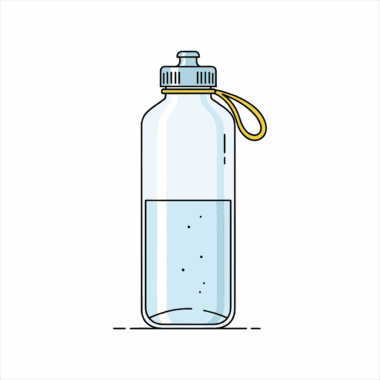
Water consumption is essential before, during, and after workouts to support hydration and muscle recovery. A general recommendation is to drink half your body weight in ounces of water per day. However, individual needs can vary based on age, activity level, and climate. Athletes may require more fluids, especially if training intensively or in hot conditions. To gauge hydration, specific indicators can help you adjust your fluid intake. Thirst is a primary signal that your body needs water. Another way to monitor hydration status is through urine color; pale yellow urine typically indicates proper hydration. Furthermore, weigh yourself before and after exercise to determine fluid loss. Replace every pound lost with about 16-24 ounces of water. To enhance recovery, incorporate hydration strategies within your routine. Carry a water bottle to ensure consistent intake throughout the day, and don’t wait until you feel thirsty to drink. Set reminders if necessary, particularly on busy days. Experiment with hydration timing to see what works best for you. This tailored approach will help streamline your muscle recovery and contribute to your overall fitness success.
Signs of Dehydration
Recognizing the signs of dehydration is essential for anyone engaged in intense physical training. Early symptoms include increased thirst, dry mouth, fatigue, and headaches. If these symptoms persist, you may also experience dizziness, irritability, and muscle cramps. As dehydration progresses, its impact on performance can worsen. Muscle recovery becomes impaired, reducing your ability to regain strength after workouts. An estimated two percent loss of body weight can adversely affect performance. Staying proactive about your hydration allows you to maintain intensity during training sessions and routines. During workouts, ensure you are consuming enough fluids to prevent dehydration. Additionally, after exercising, it is vital to replenish lost fluids. Hydrating with water is the first step, but associating it with electrolyte intake can foster optimal recovery. During prolonged workouts, sports drinks fortified with electrolytes can prevent dehydration effectively. Developing a hydration plan that includes both water and electrolyte intake will promote effective recovery. Regularly assess your hydration status, and make adjustments as needed. This awareness is crucial for long-term athletic performance and recovery, contributing to overall fitness goals.
Incorporating fluid-rich foods into your diet greatly enhances your hydration status and muscle recovery. Fruits and vegetables that boast high water content can be excellent sources of hydration. Notable examples include watermelon, cucumber, oranges, and strawberries. Apart from boosting hydration with valuable nutrients, these foods provide vitamins and minerals that aid recovery processes. Making smoothies or fruit-infused water encourages regular consumption of these hydration-rich foods. Another delicious option is vegetable broth, especially during colder months; it’s not only comforting but also a dynamic source of hydration. Additionally, consider eating snacks that contain yogurt or cottage cheese, both of which offer protein alongside hydration. Protein plays a vital role in muscle repair, making this combination particularly effective for recovery. Implementing a variety of hydration options can prevent boredom while maximizing fluid intake. Staying properly hydrated becomes notably simple when you enjoy what you consume. Keep track of how much fluid-rich food you include in your meals and snacks, aiming for at least half of your daily food intake to be composed of such options. This way, hydration complements your overall nutrition strategy for better recovery.
Customizing Your Hydration Strategy
Creating a personalized hydration plan tailored to your specific needs is vital for enhanced muscle recovery. Start by assessing your individual hydration requirements based on body weight, activity level, and environmental factors. For athletes and active individuals, customization hinges on understanding fluid loss during exercise. Consider engaging in trials, such as weighing yourself before and after workouts. This data provides insight into how much fluid you must replenish post-exercise. Establish a daily routine determining your baseline fluid intake and factor in additional needs during workouts. Experiment with electrolyte solutions or beverages that cater to your taste preferences. Maintain hydration logs to track your fluid consumption and identify patterns over time. Listening to your body and noting how you feel regarding performance, fatigue, and recovery will guide adjustments. Don’t hesitate to switch things up if you feel less than optimal. A tailored approach enhances your workout performance and speeds up recovery. As hydration plays a key role in overall health, consider adjusting long-term trends in your hydration habits, creating a well-rounded strategy. This proactive approach enables you to enhance your recovery and ultimately attain your fitness goals.
In summary, the relationship between hydration and muscle recovery is significant for anyone engaging in physical activity. Ensuring adequate fluid intake while factoring in electrolytes, hydration timing, and individual needs is crucial for optimal performance. By recognizing dehydration signs and personalizing your hydration strategy, you can improve your recovery time and achieve fitness goals. Incorporating fluid-rich foods and tailored hydration plans into your routine contributes positively to muscle recovery. Maintain vigilance toward your hydration status during exercise, ensuring proper fluid replenishment before, during, and after workouts. By following these hydration tips, athletes can enhance performance and support the body’s recovery processes. Such proactive approaches not only aid muscle recovery but also foster overall well-being and vitality. As you navigate your fitness journey, hydration should remain a central focus, ensuring that you remain at your best. Ultimately, the more you emphasize hydration, the better equipped you’ll be to tackle your training regimen head-on. Start incorporating these strategies today for effective muscle recovery and a healthier lifestyle.
For your overall success, remember that hydration is an ongoing practice. It is not merely about drinking water but rather making it a lifestyle choice. As you refine your hydration habits, ensure they align with your training intensity and personal needs. Establish a routine that supports consistent hydration throughout your day, both inside and outside of workouts. As you apply these concepts, thorough research in hydration can increase your awareness, promoting better muscle recovery and performance. Engage with professionals or trusted resources to deepen your knowledge, continuously enhancing your hydration practices. In doing so, you contribute positively to your exercise routine, ensuring a strong foundation for recovery. As always, share your experiences and learnings with fellow athletes or trainers, exchanging valuable insights on hydration management. Engaging with a community can also motivate you to remain committed to your hydration goals. With dedication, education, and individualized strategies in hydration, you can optimize your muscle recovery. This ultimately leads to improved performance in strength and endurance, paving the way for a successful fitness journey. Taking hydration seriously allows you to unlock your potential and achieve the results you desire.