
Community Building Through CrossFit: Trends in Social Fitness
The rise of CrossFit has revolutionized the concept of fitness, emphasizing community engagement and social interaction. Traditional gym memberships often lack personal connections, leading to isolation. In contrast, CrossFit fosters camaraderie among participants through collaborative workouts and shared goals. Gyms known as “boxes” create environments that encourage team challenges, further strengthening bonds among members. One trend is the organization of local competitions which not only enhances the fitness journey but also forges friendships beyond the gym. Group classes encourage regular attendance, motivating individuals to push themselves alongside their peers. Furthermore, success stories from community members serve as powerful motivation, inspiring newcomers to get involved in their transformations. CrossFit groups often host social gatherings, enhancing the overall experience by promoting a sense of belonging. It’s not just about physical fitness; it’s also about forming emotional connections among people. Social media platforms connect members virtually, allowing people to share their experiences and achievements. Such interactions can foster accountability and a strong sense of belonging, making fitness an integral part of their lifestyle. As CrossFit continues to grow, the importance of community within these boxes is more pronounced than ever.
Another significant aspect of community building in CrossFit is the concept of competition. Healthy competition can drive individuals to achieve their personal bests. CrossFitters often celebrate each other’s successes, whether big or small, fostering an encouraging environment. This community-oriented approach can enhance a member’s commitment to fitness. Competitions such as the CrossFit Open encourage participation from all skill levels, prompting members to showcase their skills and share their journeys. Events organized by local boxes often include various levels of competition, allowing everyone to participate according to their competency. This inclusivity makes the competitive aspect more enjoyable and less intimidating. Additionally, social events are increasingly integrated into these competitions, allowing members to bond and socialize before and after workouts. Doing so helps build relationships that extend beyond physical fitness. Moreover, equipment sharing during struggles or personal challenges promotes a supportive community, which is a hallmark of the CrossFit lifestyle. Participants often share strategies, workout tips, and nutrition advice, further amplifying their sense of community. Ultimately, this spirit of competition paired with support proves essential to the CrossFit experience, creating lasting connections that enhance personal fitness journeys.
The Influence of Online Communities
In today’s digital age, online communities have significantly enhanced the social aspects of CrossFit. With various social media platforms, CrossFit enthusiasts can connect regardless of geographic constraints. Many participants use platforms like Instagram, Facebook, and YouTube to share workout routines, nutrition advice, and motivational anecdotes. These platforms serve as venues for sharing accomplishments and struggles with fellow CrossFitters. Virtual challenges, like online throwdowns, can also create global connections among diverse individuals. Members can participate in challenges from the comfort of their homes, showcasing their workouts online through videos and images. This not only promotes accountability but also inspires others in the community to join in. CrossFit brands capitalize on this trend by creating online promotional campaigns, encouraging users to engage with branded hashtags. They foster user-generated content, showcasing real-life transformations and fostering hope among followers. Local boxes create private groups, enhancing relationships among members and providing a space for sharing, learning, and connecting. The online aspect transforms into tangible connections within the gym. The combination of in-person interactions, ignited by online friendships, creates a comprehensive community that thrives as members work together toward common goals.
The role of coaching in CrossFit also significantly contributes to community building. Coaches are not just instructors; they serve as pivotal figures in the community. Good coaches build relationships with members, offering personalized guidance and encouragement. They motivate individuals, helping them find the strength and confidence to tackle challenging workouts. This connection forms a strong community bond, as clients feel valued and supported throughout their fitness journeys. CrossFit coaches often create a family-like atmosphere, reinforcing the idea that members are on this journey together. Organized group workouts often lead to friendships among participants, as they find common ground in their struggles and triumphs. Coaches also play a crucial role in facilitating events that encourage social interactions among members, such as potlucks or charity fundraisers. These events can inspire healthy competition, collaboration, and laughter, making workouts an enjoyable experience beyond mere physical exertion. Furthermore, coaches often provide feedback and recognition, nurturing a culture of growth. This feedback loop strengthens community ties as individuals observe progress within themselves and each other. Community building through coaching is fundamental, contributing to long-lasting relationships and an environment conducive to success.
CrossFit and Diversifying inclusivity
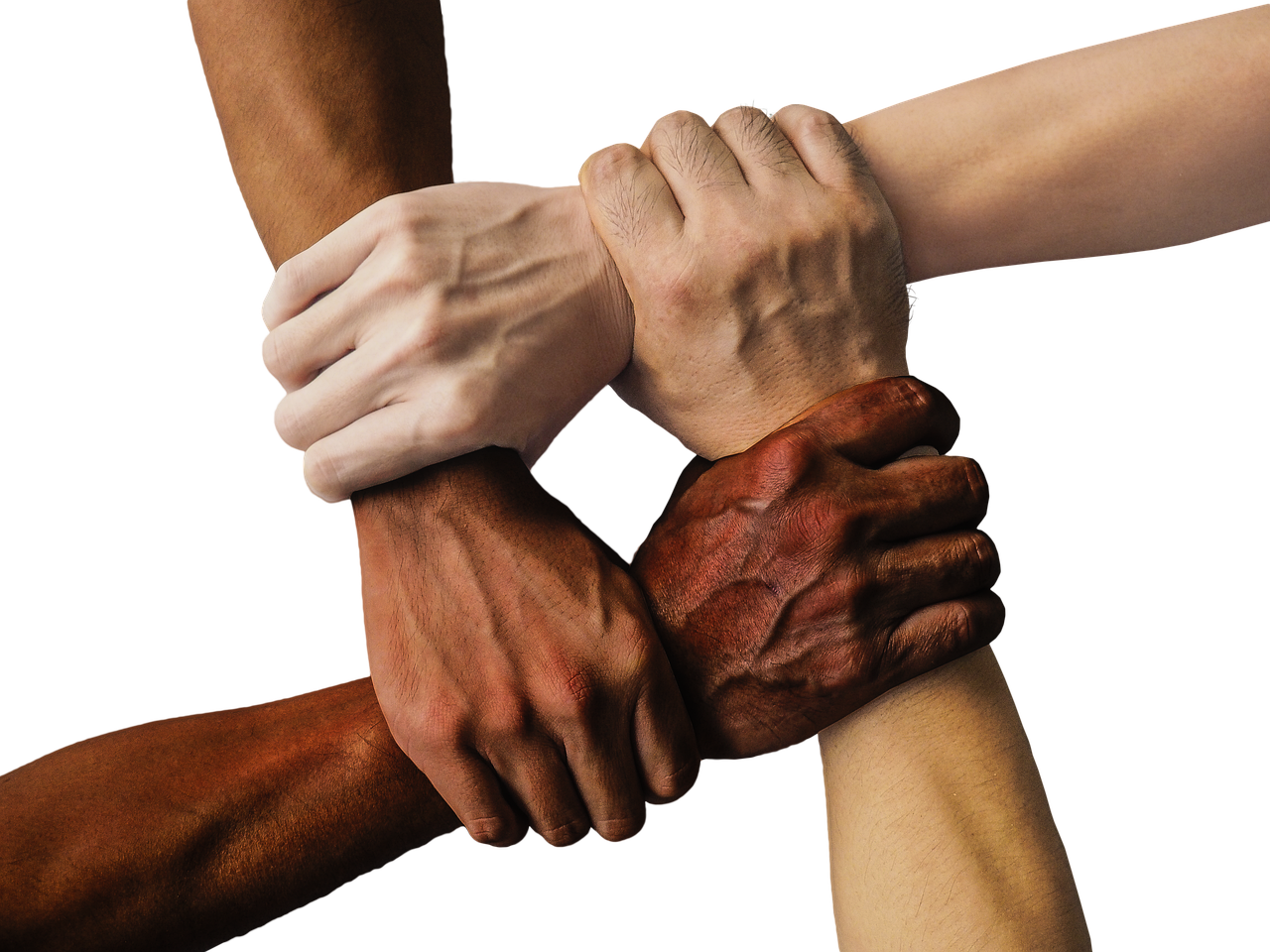
Diversity and inclusivity are crucial elements present within the CrossFit community, attracting a broad range of participants. CrossFit emphasizes that fitness is accessible to everyone, regardless of age, skill level, or background. It promotes an environment where people from all walks of life come together to support each other. This spirit of inclusivity is visible in how gyms conduct their classes. Coaches adapt workouts to accommodate all fitness levels, ensuring that everyone can participate. Moreover, initiatives promoting diversity are increasingly commonplace, aiming to inspire underrepresented individuals to join the community. CrossFit events often target inclusivity, showcasing athletes of differing backgrounds and abilities. These efforts underscore the notion that fitness is for everyone, effectively shifting traditional perceptions of gym culture. CrossFit’s unique ability to break down barriers represents a shift toward broader societal understanding. Leveraging this community dynamic, boxes can create nurturing environments where individuals feel welcomed. Mentorship, events, and workshops shine a light on diverse stories and experiences, bolstering connection among participants. Cultivating a diverse and inclusive atmosphere enhances social fitness within small groups, ultimately changing lives within the larger community.
Lastly, the adaptability of CrossFit workouts plays a significant role in its community approach. Unlike traditional workouts that may feel monotonous, CrossFit employs varied routines that keep members engaged. This diversity promotes not only physical but also social interaction, as participants constantly engage with one another during workouts. The shared experience of tackling new challenges can forge new friendships, creating a collaborative environment where everyone supports each other. Additionally, the structure of CrossFit fosters communication among members; spotting and assisting one another is common. Team workouts or partner challenges prompt members to work together and rely on one another’s strengths and weaknesses. This dynamic nurtures trust and understanding, vital components for community strength. Furthermore, adaptative programming allows individuals to overcome physical limitations while staying involved in the community. CrossFit communities actively celebrate personal achievements, regardless of how large or small. Members often create camaraderie around these milestones, further solidifying connections among individuals through shared journeys. The combination of adaptability and community celebration makes CrossFit unique and appealing, highlighting its role in fostering relationships and promoting overall well-being.
The Future of Community Engagement
As the fitness landscape continues to evolve, the emphasis on community engagement within CrossFit is likely to grow stronger. The rise of technology-driven fitness experiences will inspire CrossFit gyms to adapt their strategies. Virtual reality workout sessions may soon create opportunities for members to engage from anywhere, expanding their networks beyond local limits. Additionally, hybrid models incorporating both online and in-person experiences will likely dominate future trends. Event organizers will increasingly rely on technology to bring communities together, enabling national events that still encourage local connections. Ultimately, enhancing cross-community interactions will be essential in maintaining the essence of CrossFit, uniting people in their pursuit of health. As these transformations occur, members will undoubtedly contribute to community-building efforts by championing inclusivity and creating more diverse gym cultures. New avenues for mentorship and support will emerge, further elevating the relationships formed through fitness. The fusion of traditional gym culture with modern technology may reshape the way CrossFit communities operate, emphasizing the importance of support systems that go beyond physical fitness. The future looks promising for community engagement in CrossFit as they continue to adapt, ensuring that social fitness remains integral to their identity.
As CrossFit continues to innovate, community dynamics may also shift. The incorporation of unconventional training methods or specialized workshops may draw in niche groups. This continuous evolution motivates existing members while attracting new faces to the boxes. Embracing the challenges of a changing fitness landscape is essential for maintaining vibrant community growth. As the community adapts, opportunities for participation in various cultural backgrounds will increase significantly. It’s important to foster environments rich in diversity and understanding, where everyone feels included. Such an environment not only benefits individuals but enhances the overall community spirit. By focusing on community and connection, CrossFit cultivates relationships that endure far beyond the gym. Integrating social fitness practices into programming will continue to inspire the current generation and attract future enthusiasts. Ultimately, the development of CrossFit leads to a healthier, more motivated society where relationships are rooted in shared fitness goals and personal achievements. The community aspect will remain pivotal in driving the momentum of CrossFit as members foster connections that inspire growth, unity, and wellness. The foundations built today will transform the future of fitness, promoting well-being through community partnerships.