
Building a Balanced Meal Plan: Tips for Changing Food Habits
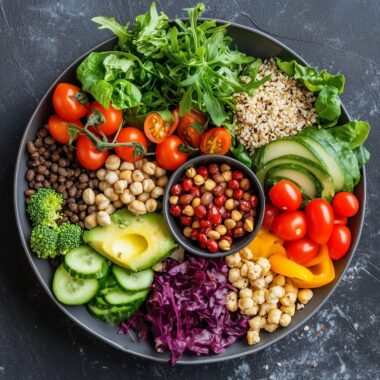
Changing food habits requires a strategic approach. Start with the basics: understand what constitutes a balanced meal. A balanced meal typically includes a variety of food groups, ensuring you receive essential nutrients. Focus on incorporating plenty of fruits and vegetables, which are rich in vitamins and minerals. Specifically, aim for at least five servings of fresh or frozen produce each day. Whole grains are equally important, so consider choosing brown rice, whole wheat bread, and quinoa over refined options. Protein sources should also be diverse; include legumes, nuts, lean meats, and dairy in your meals. Planning helps in making healthier choices. Create a weekly menu to ensure quality meals. Include snacks as part of your plan, focusing on healthy options like yogurt, nuts, or fruit. Meal prepping can save time and prevents impulse eating. When shopping, stick to the grocery list to avoid unhealthy temptations. Lastly, don’t forget to remain hydrated—drink water regularly to support overall health. Embrace gradual changes instead of drastic overhauls; little modifications can lead to sustainable habits over time. Keep track of your progress to stay motivated on this journey.
Additionally, setting realistic goals is crucial in the journey of changing food habits. Instead of attempting to eliminate all unhealthy foods, consider practicing moderation. Start with small, achievable targets such as adding one new vegetable to your diet each week or replacing sugary snacks with healthier options. It helps to write these goals down. Tracking your achievements can reinforce positive behaviors and helps maintain momentum. You may want to use a food diary or a mobile application to log what you eat. This practice not only increases awareness but also highlights patterns and areas for improvement in your eating habits. Reward yourself for milestones achieved—this could be as simple as treating yourself to a movie or a day out. Finding a support system can be incredibly beneficial; share your goals with friends or family who can join you in your efforts. Consider joining a community group focused on nutrition and wellness for added encouragement. Online forums also provide platforms to exchange tips and experiences. Remember, changing food habits is a process that takes time and patience, so be kind to yourself as you navigate through this transformative journey.
Healthy Cooking Techniques
To complement your balanced meal plan, utilizing healthy cooking techniques can significantly impact your food habits. Cooking methods such as steaming, grilling, baking, or sautéing use less fat and preserve nutrients compared to frying. When preparing proteins, opt for skinless options like chicken breasts or fish to cut down on saturated fat. Experiment with spices and herbs instead of relying solely on salt for flavor. Fresh or dried herbs can elevate dishes while providing numerous health benefits. Incorporating more plant-based meals is another strategy; legumes and grains can be filling alternatives that contribute to a healthier diet. Try to make meatless Mondays a regular household routine! This not only helps you focus on whole foods but also saves money and supports the environment. Use fresh seasonal ingredients when planning meals; they often taste better and are more nutritious. Remember to achieve variety to avoid monotony. A diverse menu keeps meals interesting and exposes you to new flavors and textures. Don’t shy away from trying new recipes to expand your culinary skills. With these techniques, you create a healthier kitchen environment, making it easier to establish good food habits.
Another useful tip is to engage in mindful eating. This practice encourages you to focus on each bite, helping you recognize hunger and fullness cues effectively. Start by turning off distractions like television and smartphones during meals, creating an environment conducive to appreciating your food. Take time to chew slowly and savor each flavor, promoting more significant enjoyment and satisfaction. It can also reduce overeating. By being present, you can make conscious choices about what and how much you eat. Pay attention to portion sizes, as large servings can lead to excessive intake. Using smaller plates or bowls can create an illusion of quantity, tricking your mind into feeling satisfied with less. Listening to your body’s signals is essential; eat only when hungry and stop when satisfied. This awareness fosters a healthier relationship with food, moving away from emotional eating habits. Additionally, consider awareness of the ingredients in your food. Reading labels can improve your understanding of what you consume, guiding you towards healthier choices. Ultimately, mindful eating creates a more profound connection to your food while reinforcing your commitment to change.
Weekly Meal Planning
A successful tactic for changing food habits is adopting a structured weekly meal planning routine. Start by dedicating a specific day to plan your meals and create a shopping list. This schedule cuts down on spontaneous fast food or unhealthy snacking. Prepare a balanced menu, making sure to include a variety of proteins, grains, and vegetables throughout the week. It’s often beneficial to choose meals that can be reused. For example, if you bake a chicken dish, consider using leftovers in salads or sandwiches. This strategy maximizes your time and decreases food waste. Allocate time each week to meal prep; wash and chop vegetables to save time during busy weekdays. Consider cooking large batches of grains or proteins that can be stored in the fridge or freezer. When you have convenient, healthy options readily available, it becomes easier to resist the temptation for quick fixes like takeout. Do not forget to incorporate breakfast, as it sets the tone for the day. Preparing overnight oats or smoothies can be a nutritious start and minimize morning habits of skipping this important meal.
Another key area to focus on is understanding food labels. Knowledge about what’s in the foods you buy fosters informed decisions. Pay close attention to serving sizes, calories, and nutrients to help manage your diet properly. Learning how to interpret food labels can empower you to select healthier options at the grocery store. Look for foods high in fiber, vitamins, and minerals, while keeping an eye on added sugars and saturated fats. When scanning the ingredient list, aim for items that are recognizable and made from whole ingredients—the fewer additives, the better. Awareness of allergens and other dietary restrictions is equally important. If you are unsure about specific ingredients, researching can clarify potential issues. Don’t hesitate to consult a nutritionist for tailored advice to meet your dietary needs. Additionally, exploring various brands can help you find healthier, tastier alternatives. Remember, progress is a journey. Instead of striving for perfection, focus on small, manageable changes. Gradually changing your relationship with food leads to long-term success and improved overall wellbeing.
Staying Motivated
Maintaining motivation while changing food habits can pose challenges, but developing a positive mindset is essential. Keep reminding yourself of the reasons behind your journey toward a healthier lifestyle. Writing down your motivation can serve as a daily encouragement. Surround yourself with motivating cues, such as inspirational quotes or images of healthier meals. Engaging in the community, either online or in person, can provide social support. Sharing experiences with others facilitates accountability and fosters positive reinforcement. Keep in mind that setbacks are normal; don’t be discouraged by occasional slip-ups or cravings. Rather, view them as learning opportunities. Reflect on what triggered the urge and strategize how to handle similar situations in the future. Celebrate your successes, no matter how small—they fuel your motivation and remind you that progress is unfolding. Set aside time to revisit your goals regularly. Adjust as needed to ensure they remain relevant and achievable. Remember to enjoy the process; finding joy in trying new recipes and savoring fresh ingredients can elevate the experience. Above all, prioritize self-compassion and patience as you work towards lasting change in your food habits.
Ultimately, embracing the journey of changing food habits is about transformation rather than strict adherence to a diet. Creating a personalized balanced meal plan that resonates with your lifestyle will make the process more enjoyable. Shift your focus from reaching a specific number on the scale to enjoying nutritious meals and taking care of your body. Involve friends and family in this transformative process; cooking and sharing meals together builds bonds and garners support. Explore new culinary traditions, aiming to become adventurous in trying different cuisines. These experiences can spark your interest in healthier eating patterns and expand your palate. Track your journey, acknowledging changes in how you feel and how your body responds to your new habits. Staying curious about food choices and their effects not only engages your mind but further encourages commitment to healthier living. Finally, be proud of the steps you take toward transformation. Every effort matters, and with time, the positive changes you make in your food habits will lead to a healthier and more balanced lifestyle. Embrace this journey wholeheartedly, and enjoy the delicious food that nourishes both body and spirit.