
Top Conditioning Exercises for Young Athletes
Strength and conditioning are vital components for developing young athletes and ensuring they build endurance, speed, and agility effectively. Conditioning exercises help improve their overall athletic performance and reduce the risk of injury. At a young age, athletes should focus on exercises that promote proper movement patterns while enhancing physical fitness. Good conditioning practices lead to better technique and performance in sports. Exploring conditioning exercises can optimize an athlete’s training regimen. Factors such as flexibility, balance, and power are crucial for athletic success. By introducing age-appropriate conditioning exercises, coaches can cater to the unique needs of youth athletes. Emphasizing skill development and physical conditioning in youth sports helps lifelong commitment to fitness and sport. Therefore, it is imperative for coaches and parents to prioritize exercises that improve athleticism and foster healthy habits. Consistency in conditioning regimens builds strong athletic foundations, ensuring young athletes can participate in various sports safely. Encouragement of versatility while focusing on core strength training is one key method by which excellent conditioning can be achieved.
One of the best conditioning exercises for youth athletes is the plyometric training, which enhances explosive power, speed, and agility. Plyometrics involve quick, powerful movements that can ultimately improve athletic performance. Exercises like box jumps and burpees are effective because they develop fast-twitch muscle fibers essential for sprinting and jumping. As young athletes perform plyometric drills, they develop coordination and strength while also experiencing improved cardiovascular fitness. Incorporating exercises such as squat jumps, lateral bounds, and depth jumps can further support explosive strength training. It’s crucial to teach proper jump landing techniques to minimize injury risk. Gradually increasing distances and heights will yield better results in their athletic careers. Coaches should emphasize the importance of warm-ups and cool-downs during these high-intensity workouts. Parents should also ensure that athletes are well-insulated before and after training sessions. In conclusion, plyometric training plays a significant role in conditioning young athletes and preparing them for various sports challenges. This type of training can yield impressive outcomes when introduced safely and progressively.
Agility Exercises for Enhanced Performance
Agility exercises are essential for young athletes looking to enhance their on-field performance effectively. These exercises improve reaction time, body control, and foot speed. Activities such as ladder drills, cone sprints, and shuttle runs help athletes develop quick feet and improve their ability to change direction rapidly. Through consistent practice, agility training enables youth athletes to perform better during games and competitions. Incorporating drills like the T-test and hexagon drill can further enhance multi-directional agility. Coaches should guide athletes in proper body mechanics to ensure they learn optimal techniques. It is essential for young athletes to engage in agility training at least twice weekly for best results. Building an athlete’s agility is crucial in their overall conditioning and performance. Specific training tools like agility ladders and cones can facilitate such exercises efficiently. It is important to emphasize that athletes must remain focused during these drills, improving both mental and physical agility. Overall, agility training effectively prepares young athletes to respond quickly and confidently during competitions while fostering a love for fitness and sports.
Another critical aspect to consider in youth athletic conditioning is building core strength. A stable core supports balance, improves posture, and enhances overall athletic performance. Exercises that target the core, such as planks, bridges, and medicine ball routines, can vastly improve an athlete’s stability. Encouraging young athletes to engage in diversified exercises will develop their core and upper body strength. Core strengthening provides a foundation for executing athletic skills effectively. Proper core strength allows athletes to maintain balance during dynamic movements, greatly reducing the risk of injuries. Engaging in core stability exercises regularly will also improve body awareness among youth athletes. Coaches should emphasize the necessity of these exercises in warm-ups and cool-downs. Ensuring athletes with the right instructional techniques will equip them with the knowledge and skills needed to build a solid core foundation. This practice nurtures their competitive edge. Additionally, specialized core workouts should be age-appropriate to maintain safety and enjoyment. Children often respond well to playful activities and games that incorporate core strength elements. Therefore, cultivating core strength will ultimately enhance athletic prowess.
Endurance Training for Young Athletes
Integrating endurance training into a young athlete’s conditioning program is essential for developing stamina and overall fitness. This aspect is particularly applicable for sports that demand prolonged physical exertion. Activities like running, cycling, and swimming can help build aerobic capacity. Incorporating interval training helps enhance stamina while maintaining young athletes’ interest in the process. Short bursts of high-intensity activities followed by brief recovery periods offer a suitable structure to keep workouts engaging. It is vital to ensure that endurance training is age-appropriate, as younger athletes have different needs compared to their older counterparts. Besides providing cardiovascular benefits, endurance training also supports an athlete’s recovery and mental fortitude. Coaches should encourage team-building elements in endurance sessions, such as group runs or fun relays. Fostering camaraderie can enhance motivation and commitment to the training process. Hydration, nutrition, and rest must be thoroughly discussed to support effective endurance training among young athletes. Parents should actively participate in creating a supportive environment that allows young athletes to thrive while pursuing their athletic goals.
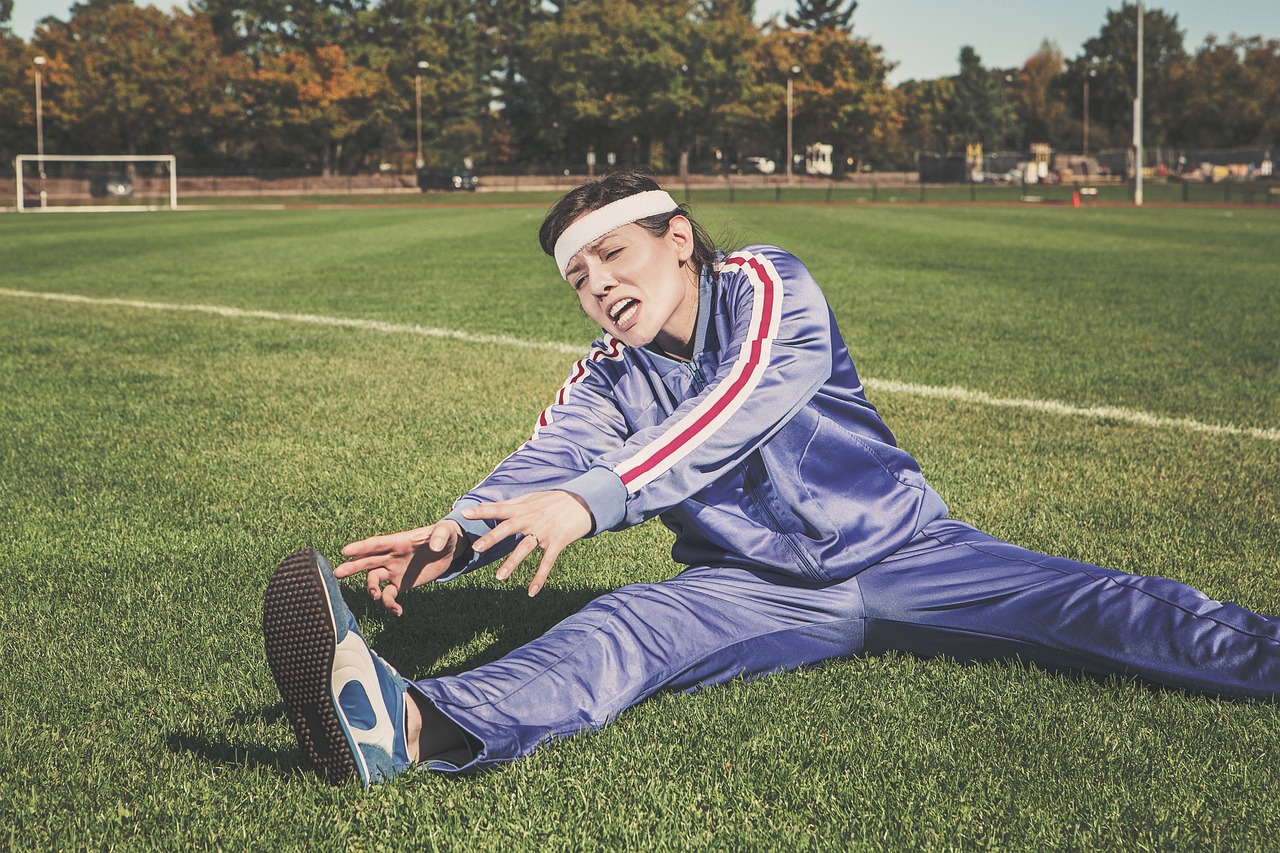
Flexibility training is another crucial element in conditioning programs tailored for young athletes to promote health. Regular stretching routines can significantly improve an athlete’s range of motion, ultimately enhancing overall performance. Dynamic stretching warm-ups are vital before engaging in intense performances, while static stretching should follow post-activity. Activities such as yoga and Pilates can also contribute positively to overall flexibility. Coaches should instruct young athletes to develop their flexibility gradually, incorporating different muscle groups and movements. Additionally, flexibility training serves as a preventive measure against injuries, helping to maintain good muscle health. Fostering flexibility enhances an athlete’s mobility and comfort during competition. Parents should encourage routine flexibility sessions as part of the overall training program to support their child’s physical development. Understanding the importance of pre-training stretches helps athletes optimize their time. Coaches should help by introducing appropriate individual stretches and fun group activities, emphasizing duration and focus. Encouragement and motivation are also vital for young athletes to embrace flexibility training as a critical component of their athletic conditioning, instilling lifelong habits for their future.
Conclusion: The Importance of Proper Conditioning
In conclusion, proper conditioning is essential for young athletes targeting success in their chosen sports. Comprehensive conditioning programs address strength, endurance, flexibility, core stability, and agility, setting the foundation for long-lasting athletic careers. Coaches and parents must work together to instill healthy fitness habits while ensuring the safety and well-being of young athletes. Establishing structured training schedules, reinforcing proper techniques, and incorporating enjoyable aspects can motivate youth athletes effectively. Athletes should learn the importance of balancing sport-specific techniques and conditioning exercises that’s crucial for improving overall performance. Continuous evaluation and adaptation of training methods help maximize young athletes’ potential. Engaging them in discussions about their experiences can enhance their understanding of the training process. Ultimately, investing time in tailored conditioning programs paves the way for future sports successes while promoting a healthy lifestyle. By cultivating an encouraging and supportive environment, parents and coaches can foster a passion for fitness among youth athletes that lasts a lifetime. Training consistently allows young athletes to grow not only physically but also mentally, embracing the competitive nature of sports.